The Kantise Blog
Learn how to understand yourself better through your data
What you will find here
This blog starts from a simple observation: your apps measure a lot, but each one on its own. A watch counts steps, a streaming service keeps your listening, a game platform adds up hours, and nothing connects any of it to how you felt on Tuesday afternoon.
We write about personal data analysis as it is actually practised: what a correlation does and does not tell you, how sleep, weather, music and workload answer one another, and how to build a routine that survives longer than two weeks.
Articles lean on studies where studies exist, and say so where they do not. None of them is medical advice: Kantise is a tool for exploration, not a medical device.
The 23-Minute Refocus Rule Came From an Interview
The 23-minutes-15-seconds figure comes from no published study but from a 2006 interview, and it does not measure what people claim it does.
Your phone: 221 times or 2,617 times a day?
221 from a survey, 2,617 from real tracking, 186 in 2026: three studies don't measure the same thing. Here is why, and what actually matters.
Switching smartwatches without losing your history
How to switch smartwatch brands without losing years of data: exports, portability rights, the EU Data Act, and what never transfers.
25 g or 50 g of Sugar: Why the WHO Says Both
The WHO sets two sugar thresholds, 25 g and 50 g, and neither was calibrated on body weight. Where the numbers come from, and what to do with them.
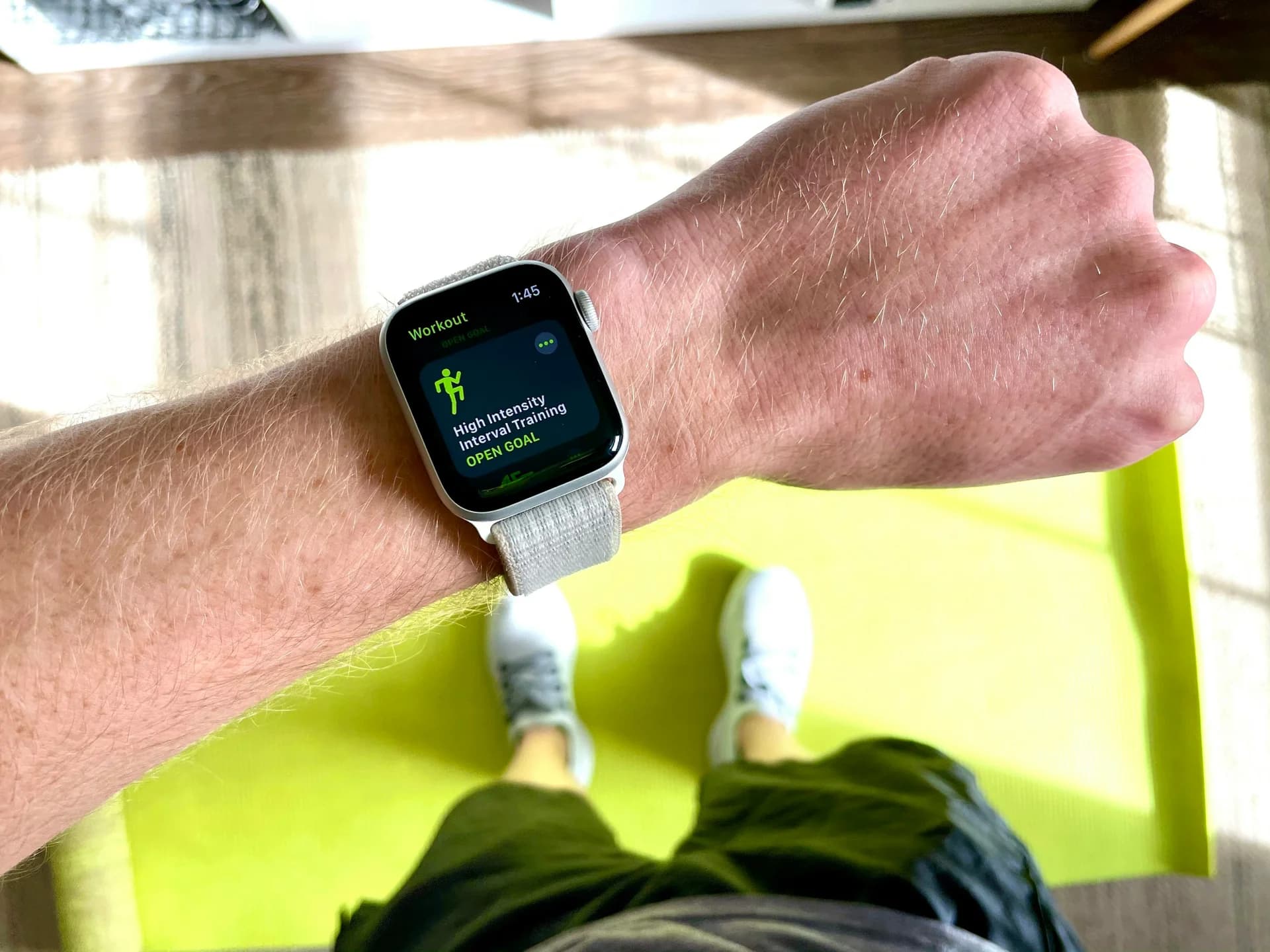
Your watch's calorie count is a guess, not a measurement
Your watch doesn't measure calories, it estimates them. A 2026 study puts a number on the error, and it grows with body fat. Here's how to read it.

Deep Sleep: 20% Is an Average, Not a Target
The 20% deep sleep figure is a lab-measured average, not a goal to hit — and your watch does not actually measure that stage.
Does Music Speed Up Your Heart Rate Recovery?
Recovery playlists promise to bring your heart rate down faster. What the studies actually show, and how to test it yourself in ten sessions.

Your game decides how long you play, not you
95 minutes for Baldur's Gate 3, a few for Rocket League: the length of your gaming evenings is a design decision, not a willpower problem.
Migraine and Pressure Drops: Test the Link Yourself
The famous 5 hPa threshold comes from a 28-person study. What the evidence really shows, and how to test the link against your own attacks.

A Revision Week That Holds Until Exam Day
The night before the exam does not predict your grade — the month before does. What the evidence says about a study week that actually holds.

At 33, It's Not Your Taste That Freezes
The age-33 figure appears nowhere in the Spotify analysis it is credited to. What that analysis really measured, and how to track your own curiosity.

The Gut-Brain Axis: How Microbes Shape Your Mood
The gut-brain axis links microbiome and mood. Serotonin, the vagus nerve, psychobiotics: what recent science actually shows.
The 2-hour screen rule was never meant for adults
The two-hour threshold came from pediatric guidance dropped in January 2026. For adults, the WHO explicitly declines to set any number at all.

Your Evening Playlist Follows the Clock, Not Your Mood
Your evening listening mostly tracks the clock, not your mood. What streaming data does and does not reveal about how you feel.
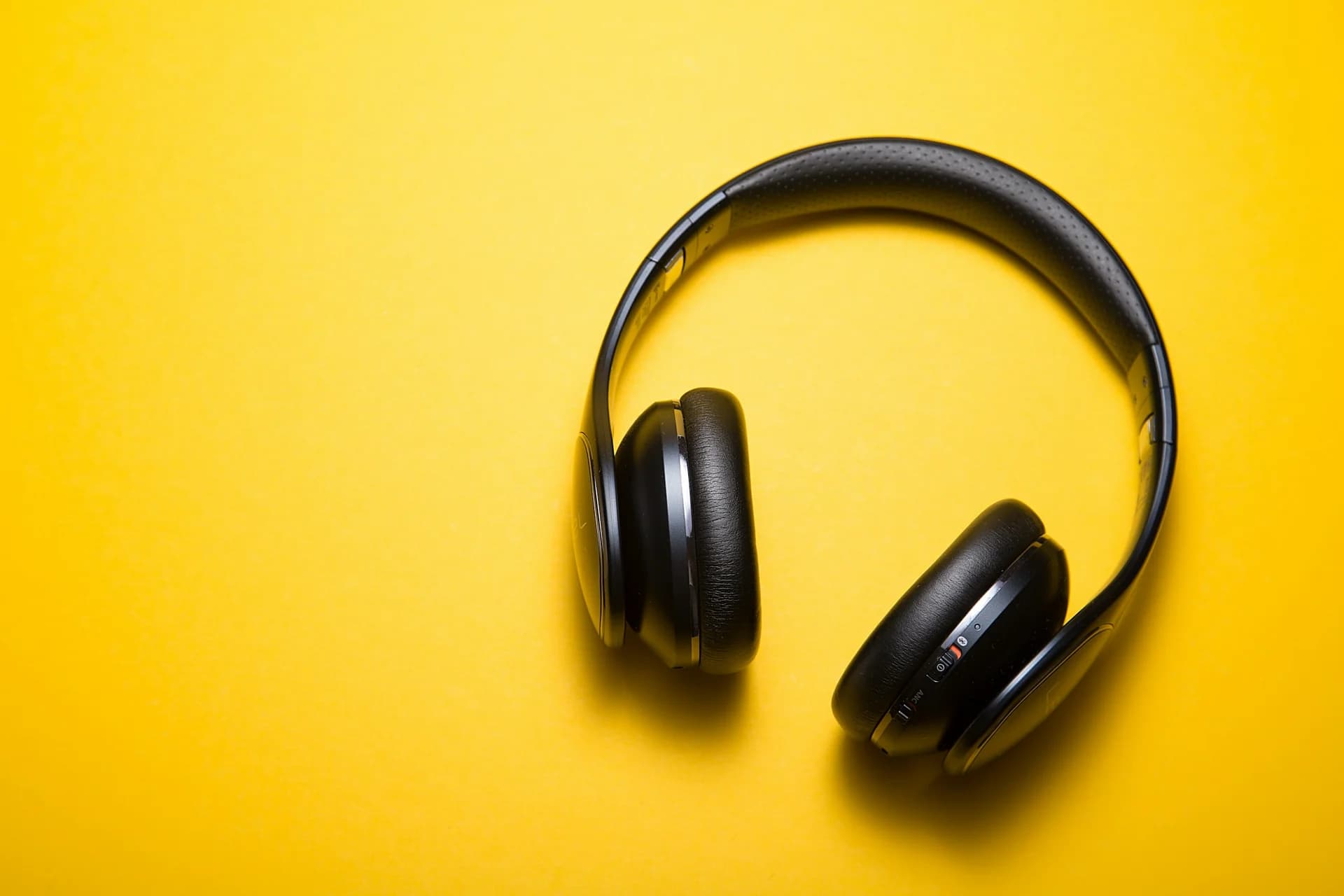
Why We Play the Same Song on Repeat
Playing a song on repeat isn't a listening flaw, it's how music works. Anticipation, dopamine and the missing saturation point, according to research.

Read Your Steam Playtime Without Fooling Yourself
Your own estimate predicts just 13% of your real playtime. Where to find your Steam hours, what they actually measure, and what they can tell you.

Sleep Regularity Matters More Than Duration
Going to bed and waking at consistent times predicts mortality better than how long you sleep. What the science of sleep regularity reveals.

Singing: A Measurable Effect on Heart and Immunity
Singing is more than a pastime: research shows measurable effects on the heart, immunity and mood. What the science actually says.

'Weekend Warrior' Workouts: Are They Enough?
Does cramming all your exercise into the weekend protect you as much as spreading it out? Recent science says total volume is what counts.

Noise Pollution: When Sound Weighs on the Heart
Noise is more than a nuisance: science now ranks it among cardiovascular risk factors. Here is what the evidence shows.
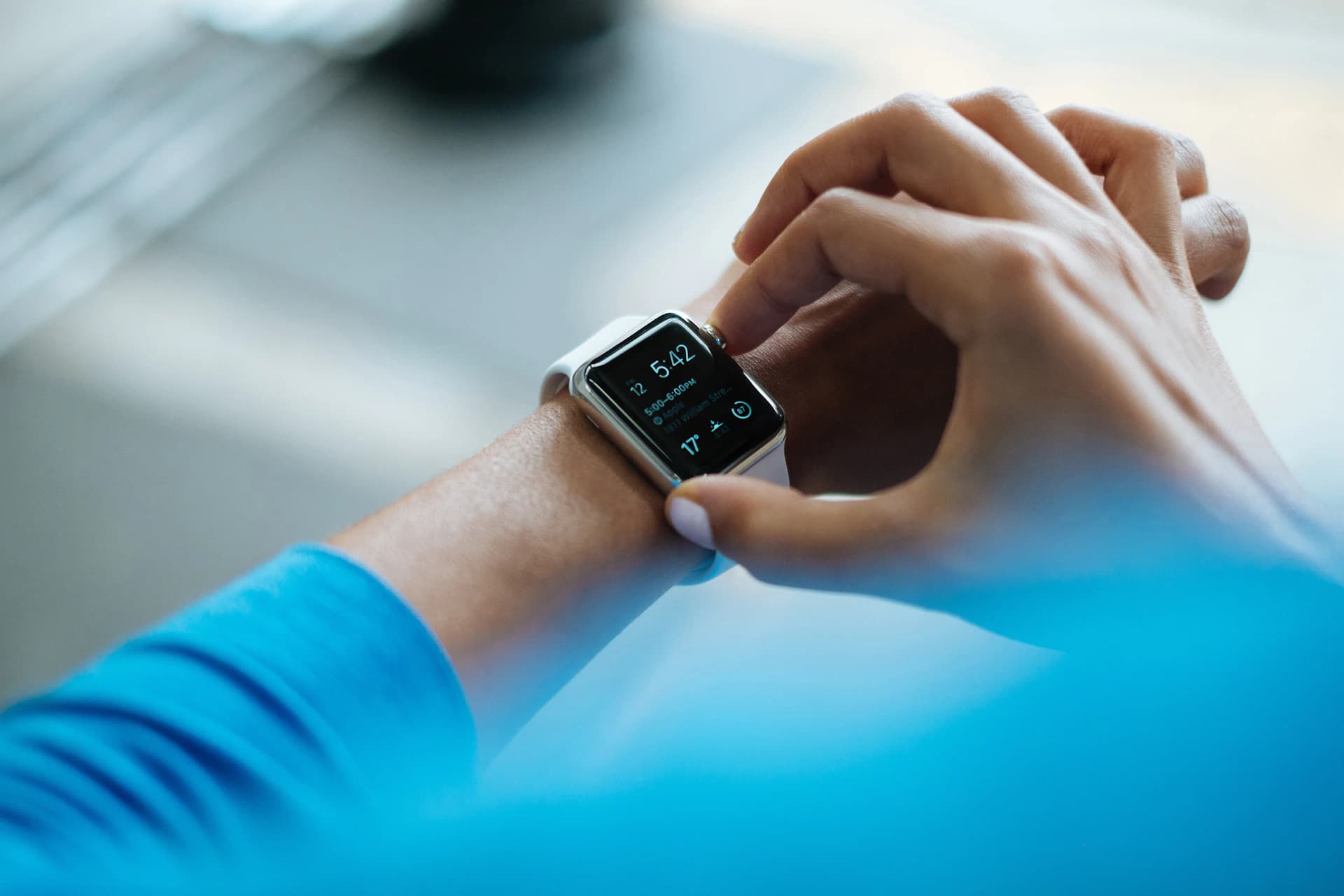
Can Your Smartwatch Really Track Your Blood Pressure?
Smartwatches now promise cuffless blood pressure readings. Here's what the science says about their accuracy, and why cardiologists urge caution.

Losing 80 Minutes of Sleep Is Enough to Gain Weight
A Columbia randomized trial shows that roughly 80 minutes less sleep per night, over six weeks, is enough to produce measurable weight gain.

Wrist and Hand Pain: Gaming's Hidden Injury
Wrist and hand pain in gamers and developers: what science says about repetitive strain from mouse, keyboard, and controller — and how to prevent it.

Reaction Time: What Esports Reveals About the Brain
Esports pros react in 175 ms. But your reaction time reveals a lot about your brain’s health — and how it ages.
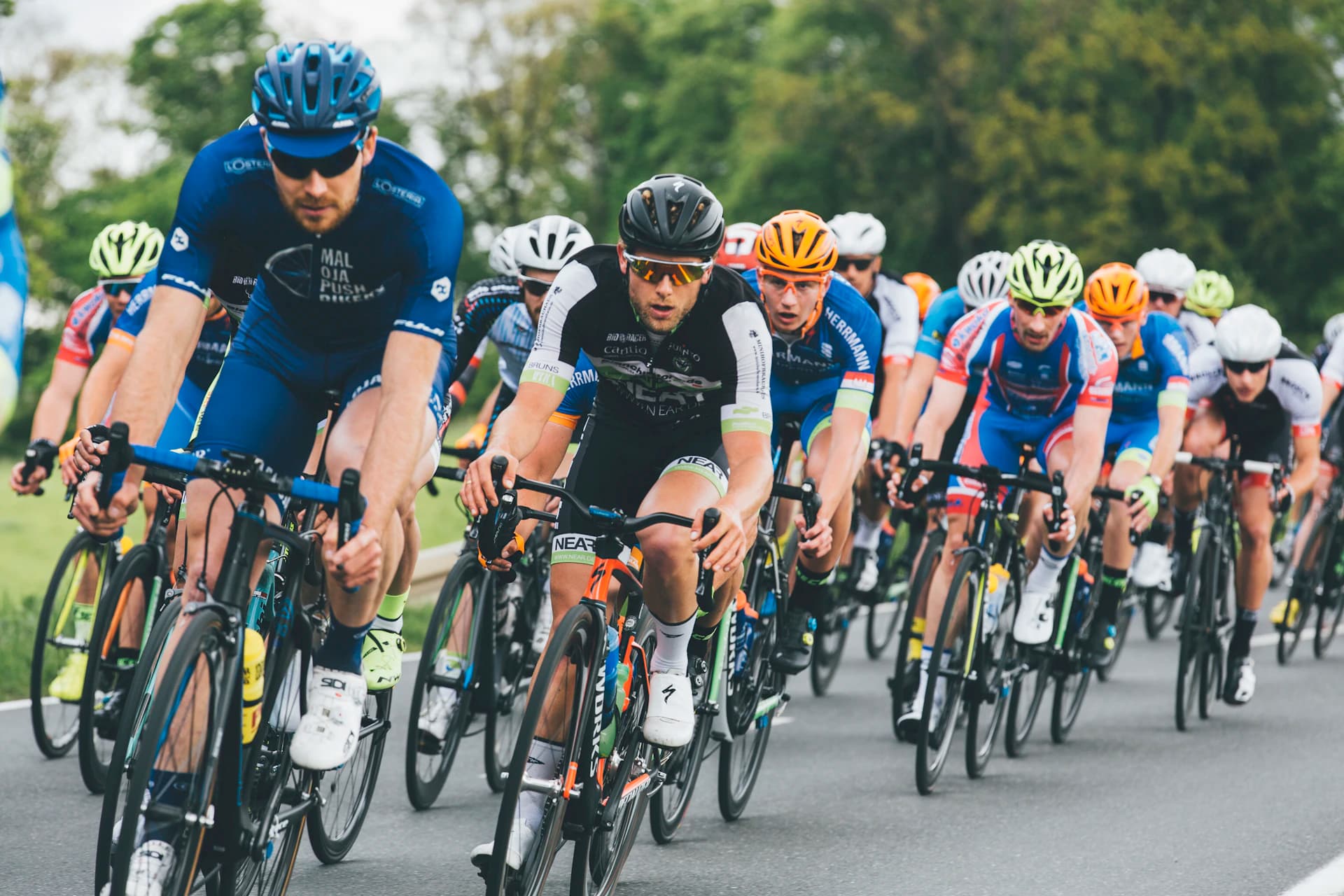
Why Endurance Cyclists' Hearts Beat So Slowly
Some Tour de France cyclists have a resting heart rate near 30 bpm. What the 'athlete's heart' reveals about endurance adaptation.

Micro-breaks at Work: The Science of Attention Restoration
Micro-breaks are not lost time: ultradian rhythms, Attention Restoration Theory, and meta-analyses explain why stepping away regularly improves sustained concentration.
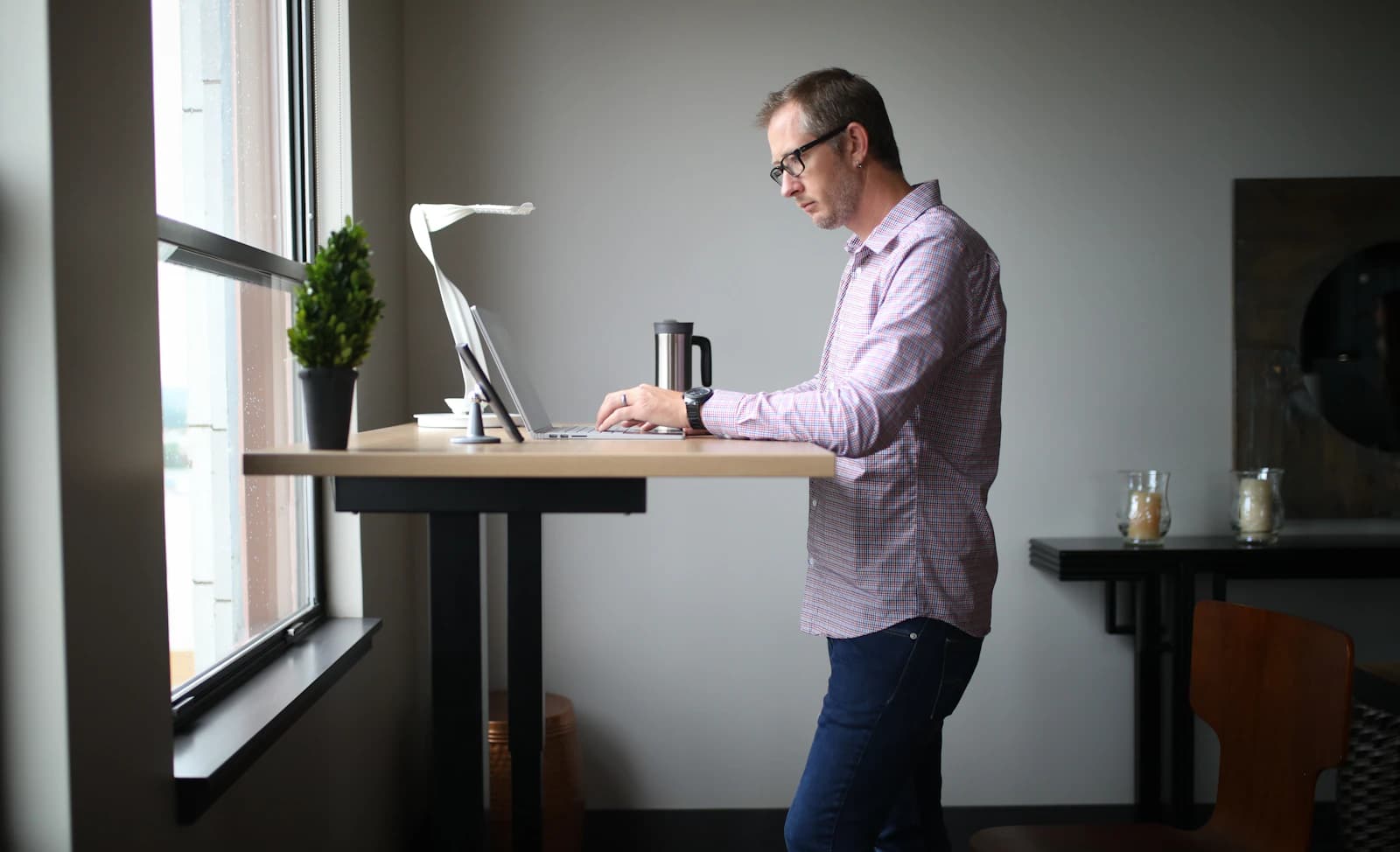
Do standing desks actually fix back pain?
Standing desks are sold as the cure for back pain. What does the science say? The key isn't sitting vs standing, it's movement.
Does Magnesium Really Help You Sleep Better?
Magnesium is the star sleep supplement. But what do the clinical trials really show? A real but modest effect — the science, sorted.
Digital eye strain: what actually helps your eyes
Blue-light glasses, the 20-20-20 rule: what does the science really say? What tires your eyes at a screen, and what actually relieves them.
Exercise Snacks: Can 4 Minutes a Day Really Help?
Short vigorous bursts spread through the day — 'exercise snacks' — are linked to lower mortality. Here is what the science actually shows.

Live longer without overhauling your life
A large UK Biobank study shows that small, combined changes to sleep, activity and diet can add years of healthy life. The takeaway: combine, do not overhaul.

Two Hours of Nature a Week: What Science Says
How much nature do you need for a real health benefit? Science sets a threshold of two hours a week — plus a few important caveats.
How much water do you really need? The science
Eight glasses a day? A myth with no scientific basis. What research really says about your water needs and the effects of dehydration.
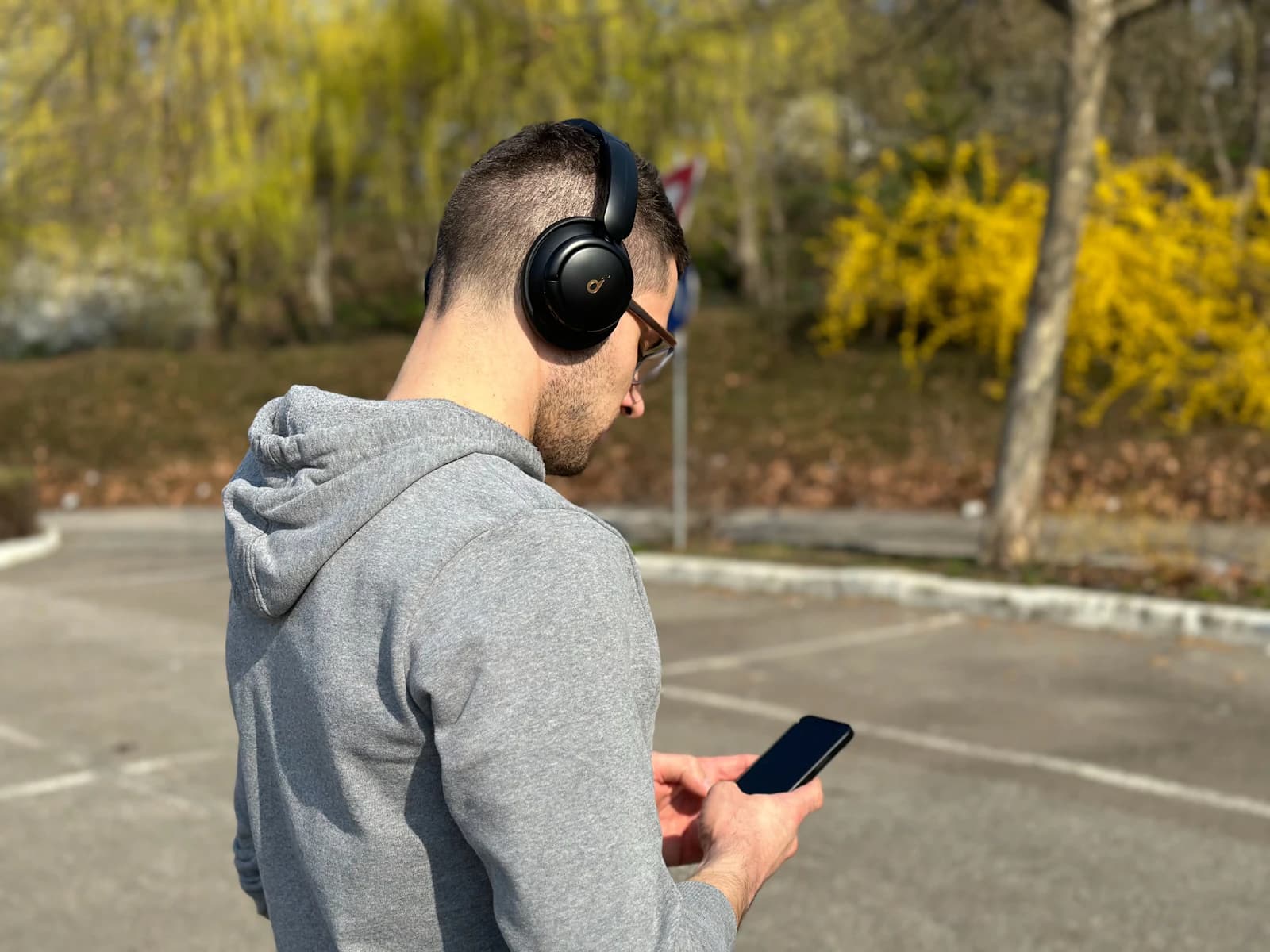
Music and endurance: the science of the workout playlist
A 2026 study shows self-chosen music boosts endurance by 20% with no rise in perceived effort. What science says about the workout playlist.
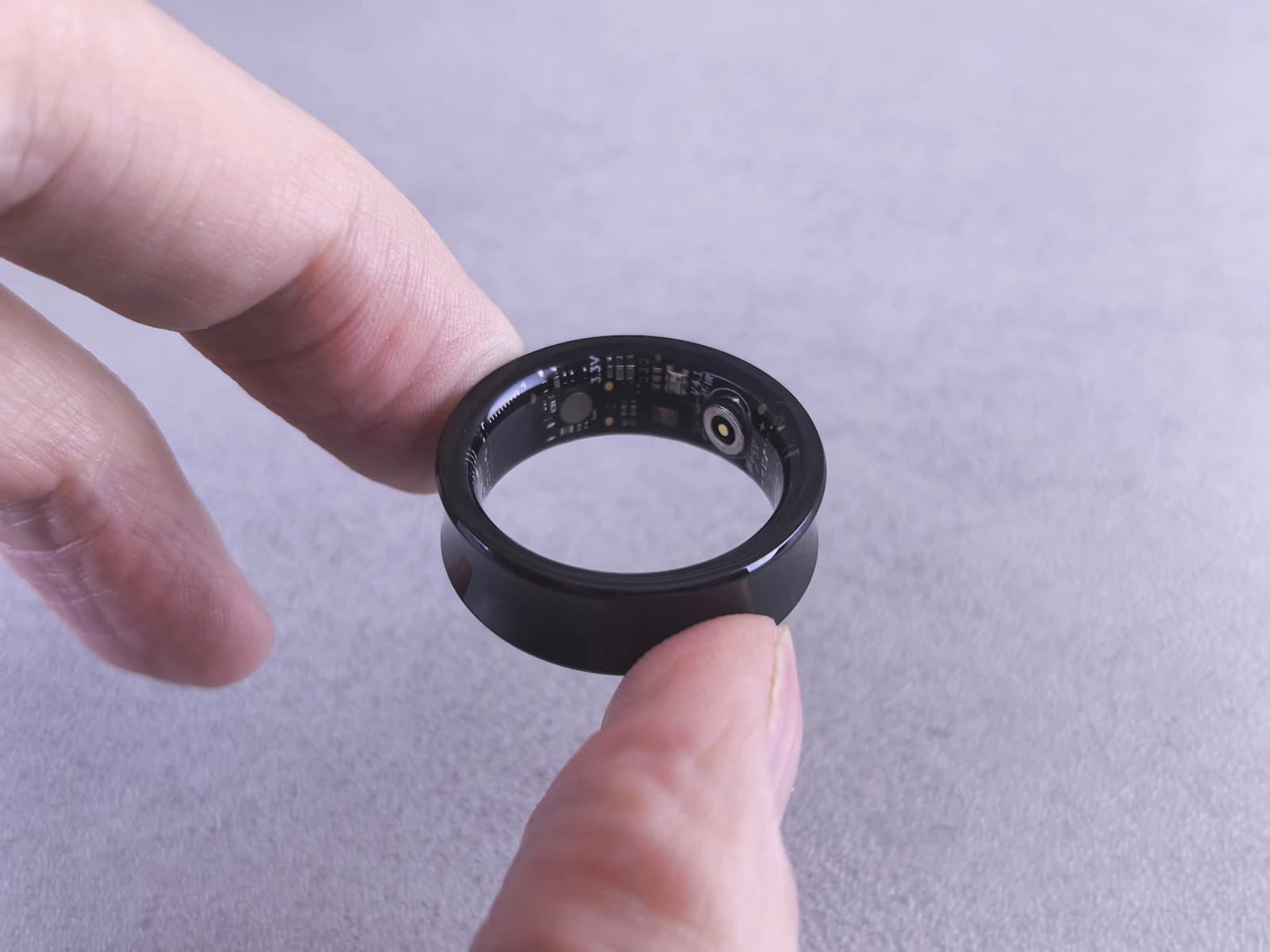
Menstrual cycle tracking: what wearables measure
A January 2026 meta-analysis weighs the evidence: can wearables really read the menstrual cycle? Accuracy, limits, and the data question.

Alcohol, sleep and recovery: what your watch sees
A 2026 study of nearly 21,000 wearable users quantifies how a single drink shifts heart rate, HRV and sleep.
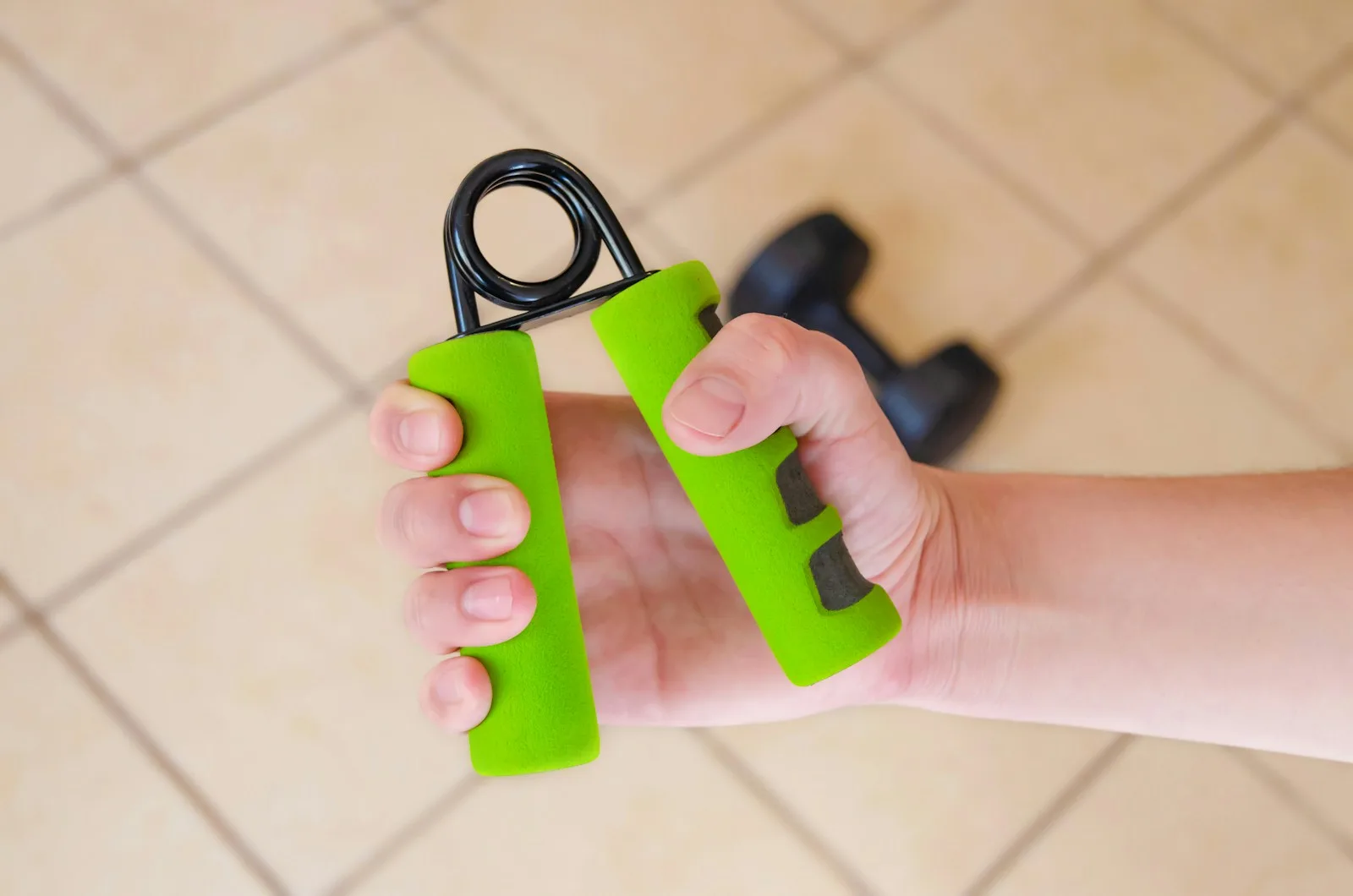
Grip strength: what the science says about a longevity marker
Why squeezing a dynamometer predicts mortality better than blood pressure in some studies: what PURE, EWGSOP2 and NHANES actually show.

Zone 2: Train Slower, Live Longer
Zone 2 cardio at 60-70% max heart rate builds mitochondria, boosts fat burning, and supports longevity. Learn how to find your personal Zone 2.

Chronobiology: Train at Your Body Peak Time
Learn how your internal biological clock shapes athletic performance and how to find your personal optimal training window.
Procrastination: brain mechanisms and solutions
Procrastination isn’t a willpower problem — it’s a brain response to emotional discomfort. Explore the neuroscience and evidence-based strategies.
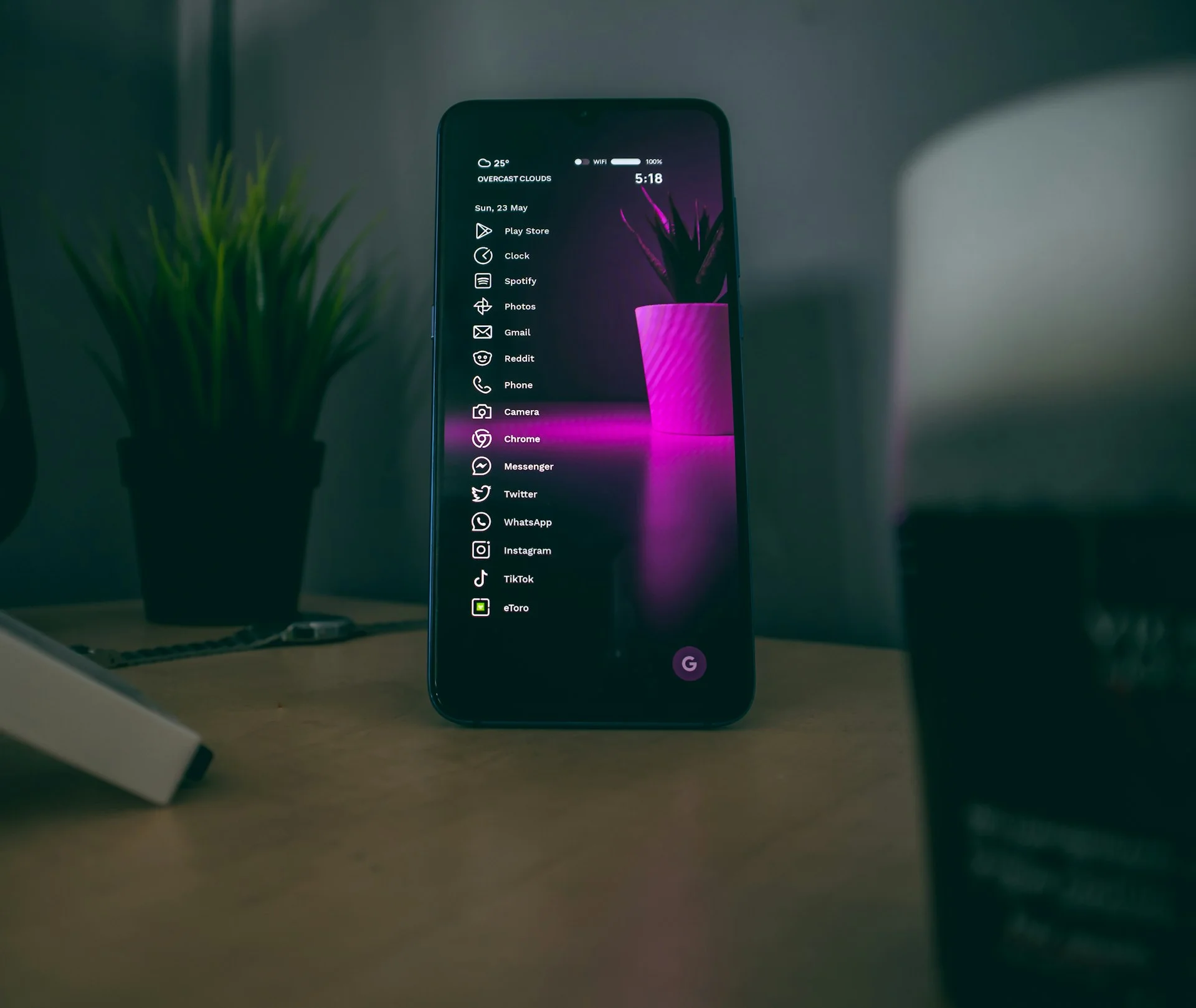
Digital detox: what science actually says about attention
What does science actually say about digital detox? Recent studies on smartphone use, sustained attention and cognitive function.
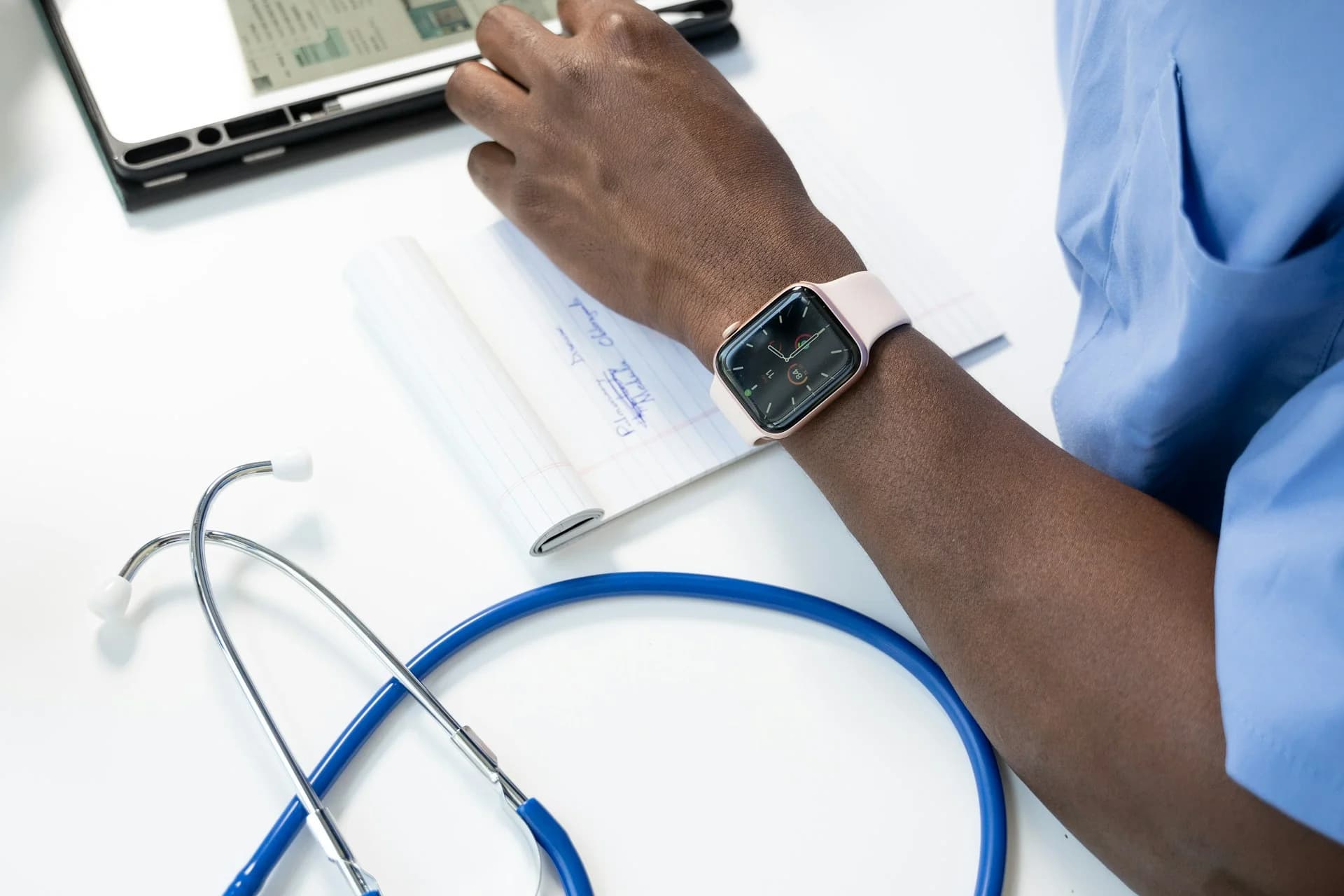
Your Wearable Data at the Doctor's Office: What Your Tracker Can Really Reveal
Heart rate, sleep, HRV — wearables generate unprecedented health data. But can it actually help your doctor? A look at what science really says.

What Your Spotify Data Reveals About Your Mental Health
Your Spotify listening history says more about your emotional state than you might think. Here is what science is discovering by analyzing billions of streams.

What Your GitHub Data Reveals About Your Developer Productivity
Your GitHub commits are more than code: they map your work rhythms, fatigue cycles, and actual productivity. Here is what the data reveals — and how to read it.

Overtraining Syndrome: Recognize the Signs and Recover
Chronic fatigue, dropping HRV, declining performance: how to detect overtraining through your data and find the path back to progress.

Cold plunges and cryotherapy: what science actually says
Muscle recovery, hypertrophy, mood, brown fat: what recent meta-analyses actually validate about cold exposure.

The Science of a 20-Minute Nap: Performance and Biology
Adenosine, sleep inertia, optimal durations, and the caffeine nap: the biology of short napping and its documented effects on cognition.
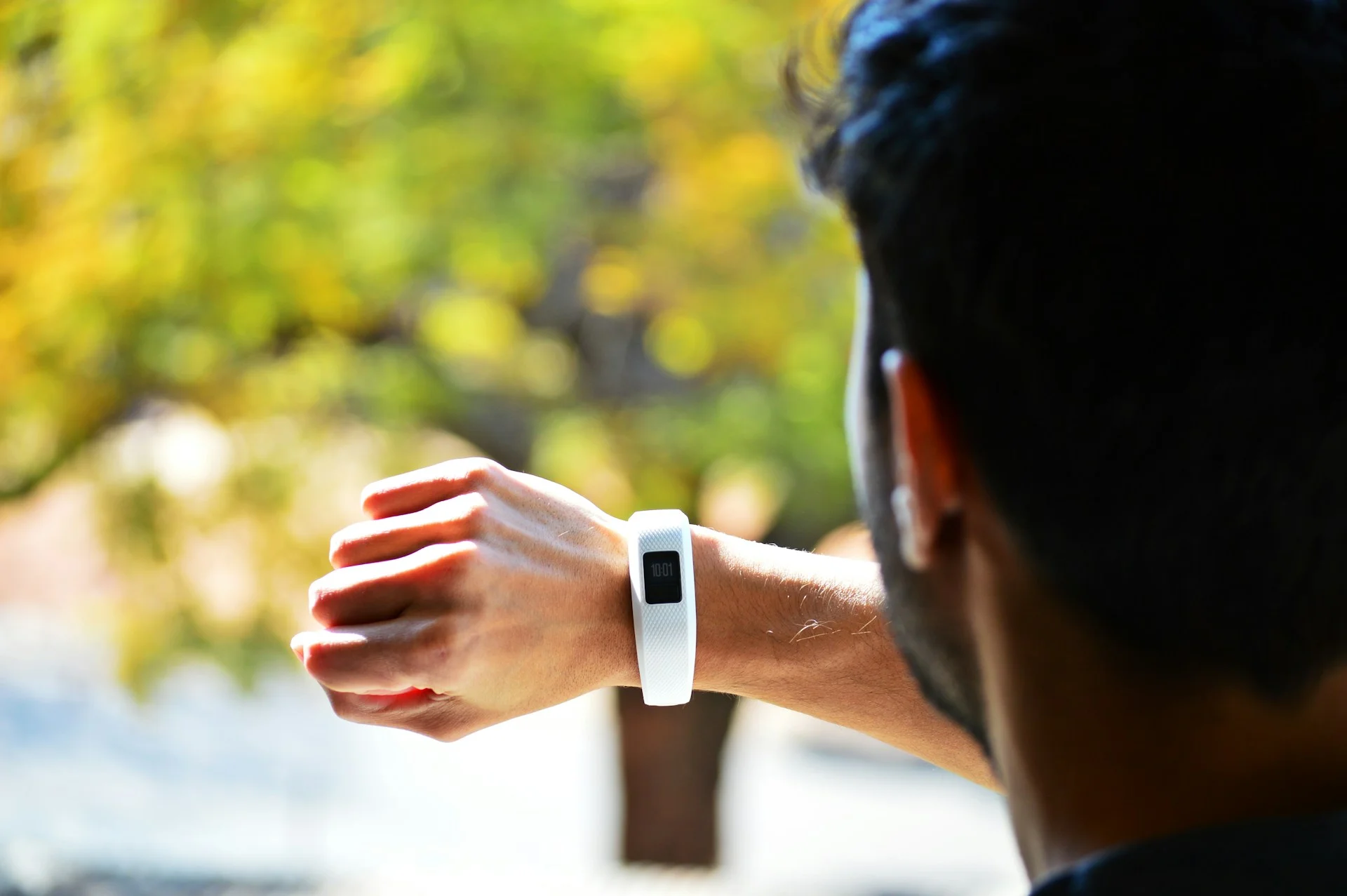
Quantified Self: why measuring your habits actually changes your behavior
Can simply measuring a habit change it? Behavioral science says yes. Explore the mechanisms of the quantified self, its proven benefits, and the pitfalls to avoid.
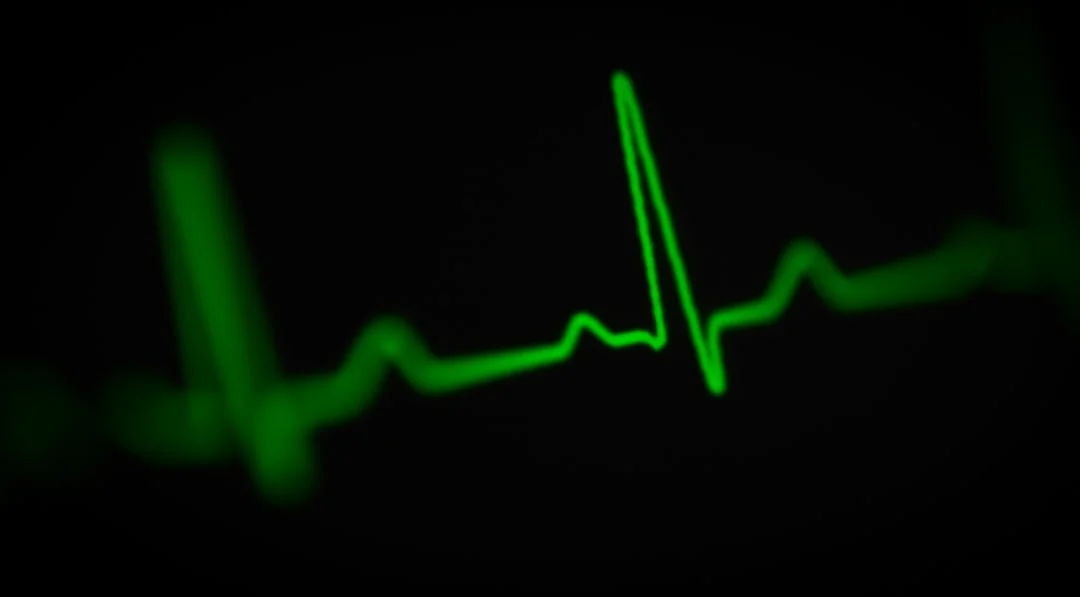
Resting Heart Rate: The Health Metric You're Overlooking
Your resting heart rate predicts your longevity. Science shows a 20 bpm rise means 30-50% higher mortality. Here's how to improve it.

Music and Sleep: what science says about your listening habits
Does listening to music before bed really help you sleep? Science says yes — but with surprising nuances. Discover proven effects, pitfalls to avoid, and how your Spotify data reveals your nights.
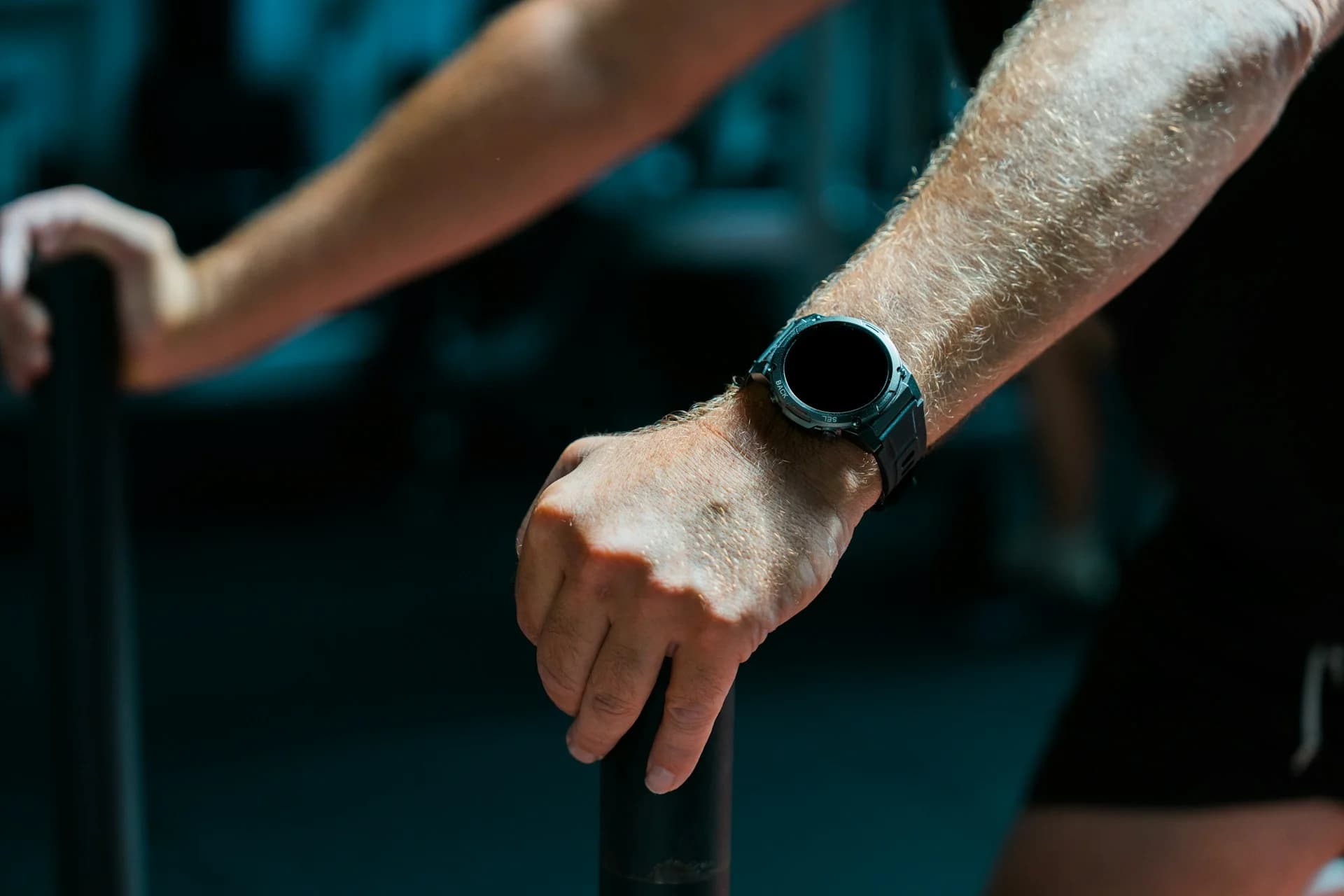
HRV and Sport: Let Your Heart Rate Guide Your Training
Learn how heart rate variability (HRV) can guide your daily training intensity and recovery — backed by 2025-2026 sports science research.
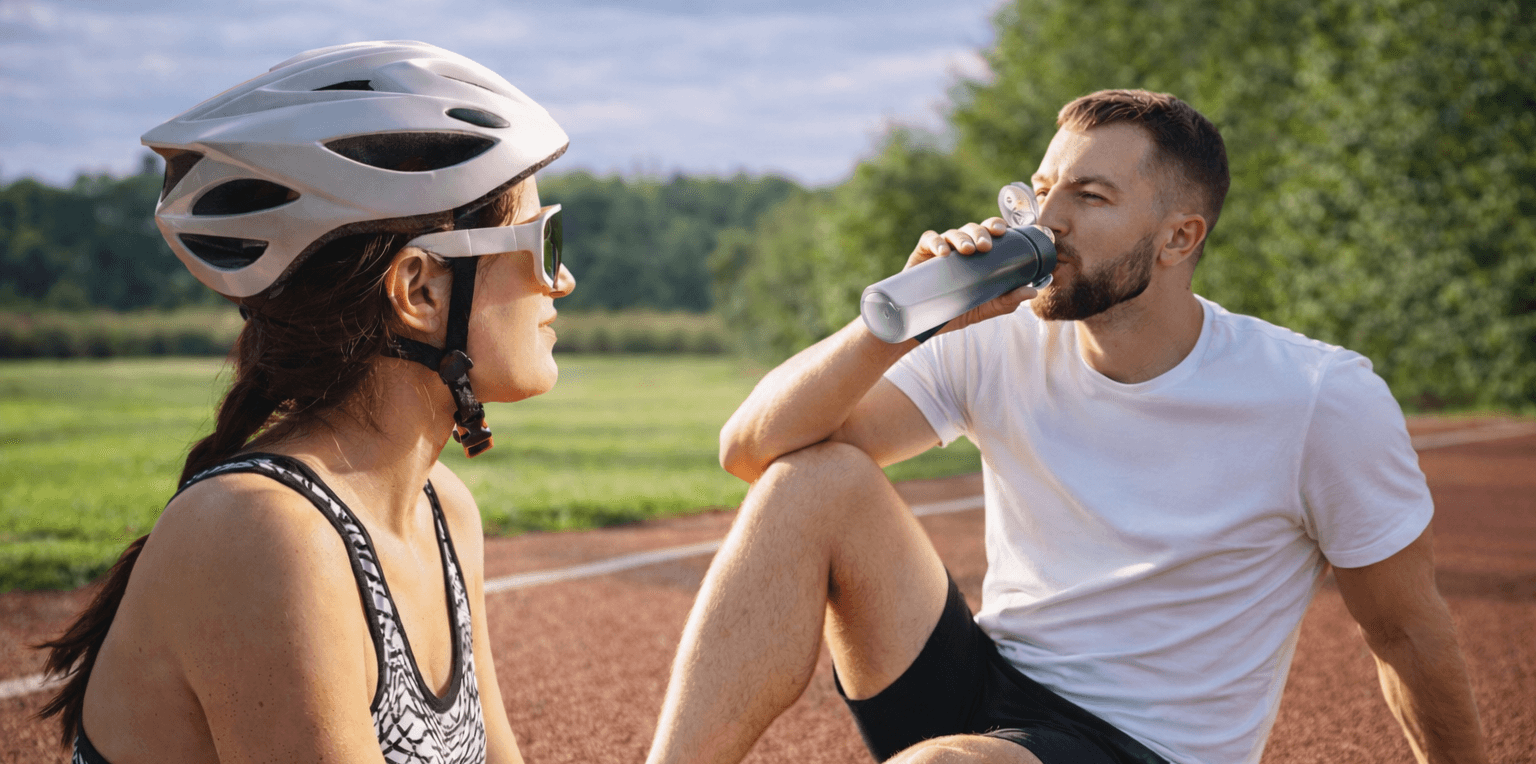
Correlation between sports and weather: what some athletes still don't know
Comprehensive, scientific analysis of the correlation between sports and weather. Temperature, humidity, wind, rain, altitude: discover how weather really influences sports performance, with studies, examples, strategies and FAQs.