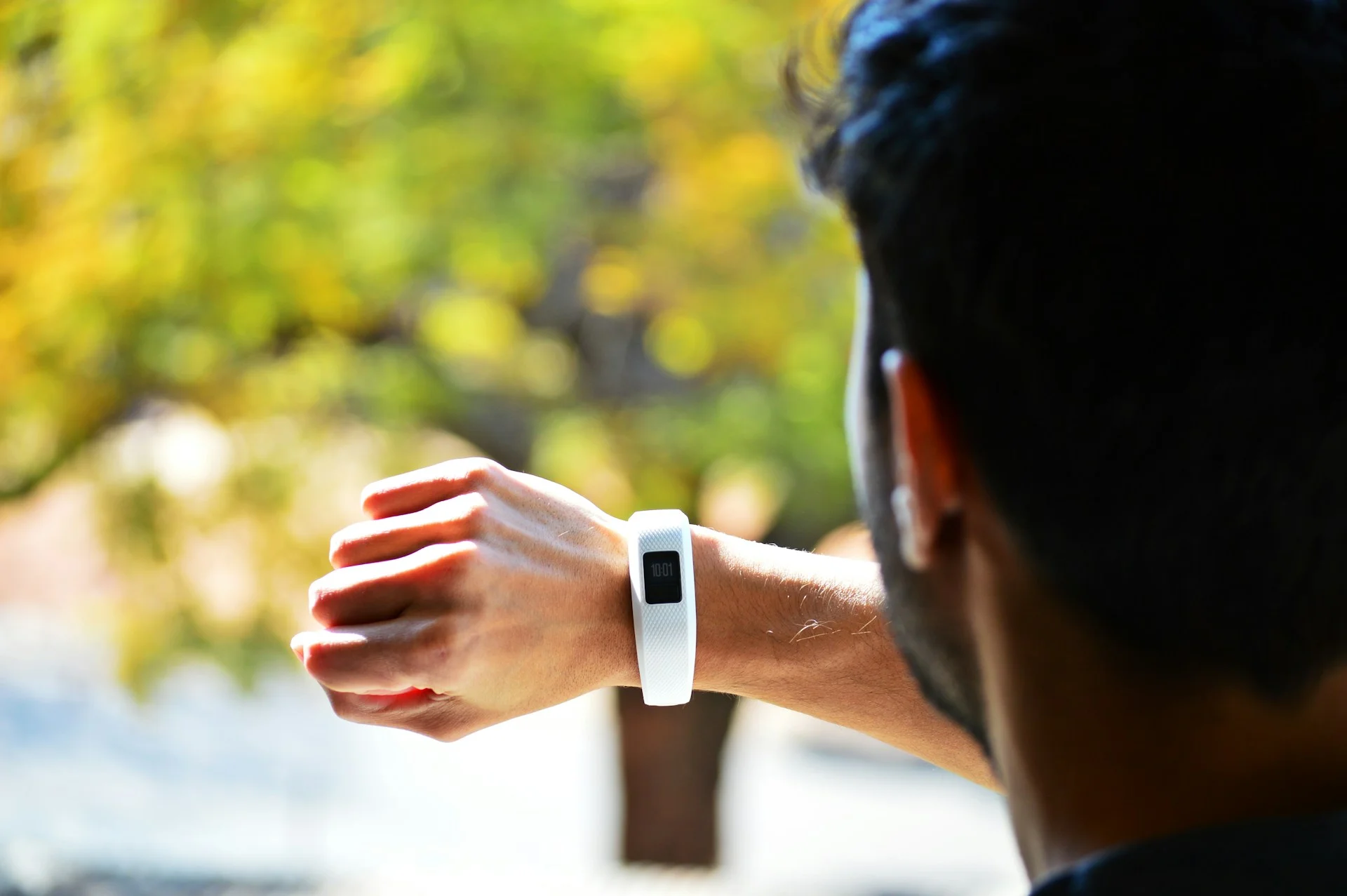
What if simply measuring a habit were enough to change it? This is not a self-help coach's promise. It is what several decades of behavioral psychology research consistently suggest. The quantified self — the practice of tracking yourself through data — rests on a counterintuitive principle: observing a behavior already begins to modify it.
Yet millions of people buy smartwatches, download tracking apps, and set up dashboards… only to abandon them within a few weeks. Why do some people experience lasting behavioral transformation while others accumulate data without ever acting on it? The answer lies in how that information is actually used.
What Is the Quantified Self?
The term was coined in 2007 by Wired editors Gary Wolf and Kevin Kelly, who defined it as "a collaboration of users and tool makers who share an interest in self-knowledge through self-tracking." Since then, the movement has grown exponentially. In 2024, the global fitness tracker market exceeded $74 billion, with an estimated 287 million users of personal quantification devices worldwide [1].
In France, 57% of adults owned at least one connected health device in 2023 — up 12% year-on-year [2]. The French Health Data Hub has collected over 220 billion data points since January 2024 [3].
The quantified self goes well beyond step counting. It encompasses:
- biometric tracking (heart rate, sleep, heart rate variability);
- digital habit monitoring (screen time, music listening, gaming activity);
- productivity analysis (code commits, work hours, focus cycles);
- cross-referencing these data streams to reveal patterns invisible to the naked eye.
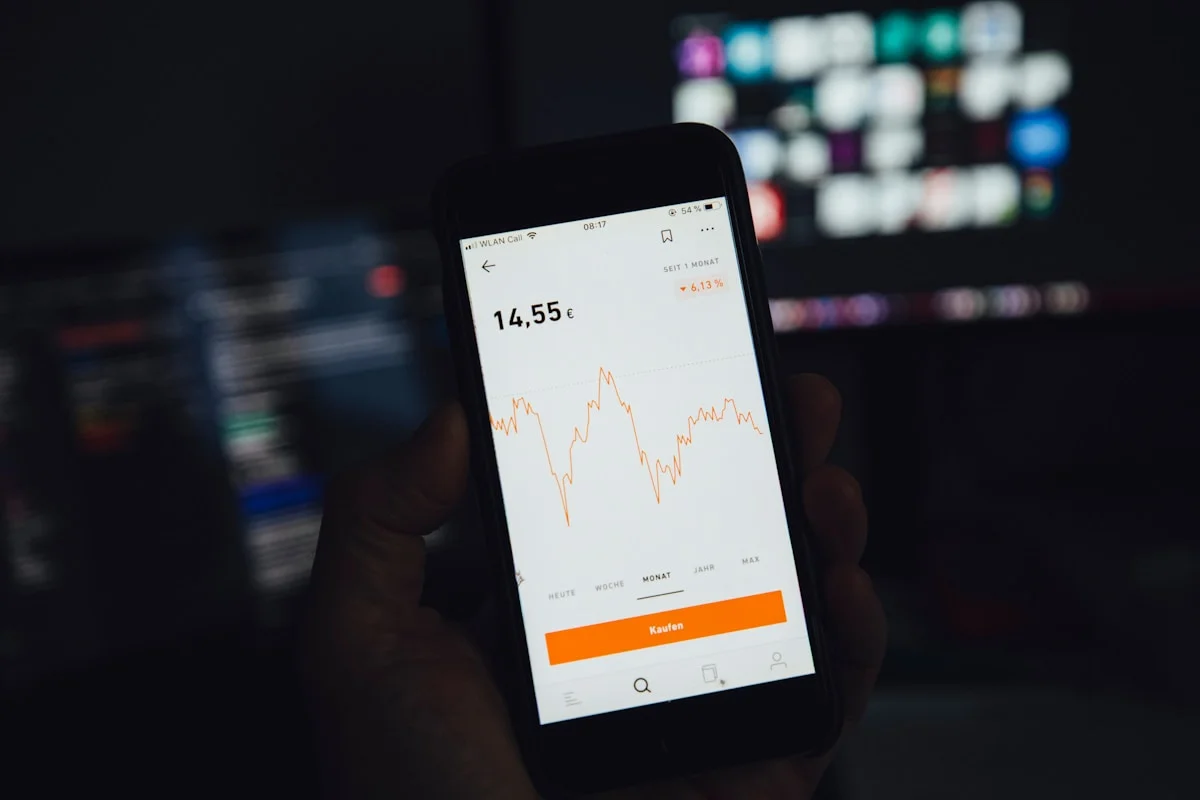
The Science Behind Measurement: Why Observing Changes Everything
In psychology, "behavioral monitoring" refers to the act of systematically recording one's actions — whether in a journal or through an app. Meta-analyses on the subject are unambiguous: measuring a behavior significantly increases the likelihood of improving it.
A systematic review published in the Journal of Medical Internet Research (2021) analyzed 37 studies on self-tracking and well-being. The conclusion was clear: the mere act of tracking habits was associated with significant improvements in physical activity, sleep quality, and diet [4]. The effect was not marginal — users engaged in active health tracking showed improved physical activity with an effect size of 0.6, considered "medium to large" in behavioral sciences [5].
Several mechanisms explain this:
1. Immediate Awareness
Before measuring, our habits remain vague. We believe we "sleep well" or "exercise enough." Data confronts us with reality. This confrontation — even when uncomfortable — is the first lever of change. Cognitive psychology calls it reducing the gap between self-image and actual behavior.
2. The Feedback Loop Effect
Seeing your data in real time creates a feedback loop. When you notice your heart rate is elevated at 10 p.m., you are naturally prompted to adjust your evening routine. When you observe you sleep worse on nights of prolonged gaming, the correlation becomes a behavioral guide. These feedback loops are central to the effectiveness of quantified self practices.
3. Grounding in Reality
A study published in npj Digital Medicine (2025) on digital behavior change interventions found that tools including real-time data feedback outperformed those offering only generic recommendations [6]. The reason is simple: general advice is quickly forgotten; your own personal graph is not.
Numbers That Speak: The Measurable Impact of Self-Tracking
Concrete results back this up. A meta-analysis published in The Lancet Digital Health (December 2023) found a 22% reduction in heart failure hospitalizations among patients equipped with connected sensors [7]. This is no longer a lifestyle topic — it is preventive medicine through data.
On a behavioral level, a 2025 study of 300 executives found that those who scheduled dedicated time blocks for new habits were 3.2 times more likely to maintain them than those who tried to "fit them in" throughout the day [8]. Measuring time allocated to a habit — and visualizing it — is a powerful lever for behavioral change.
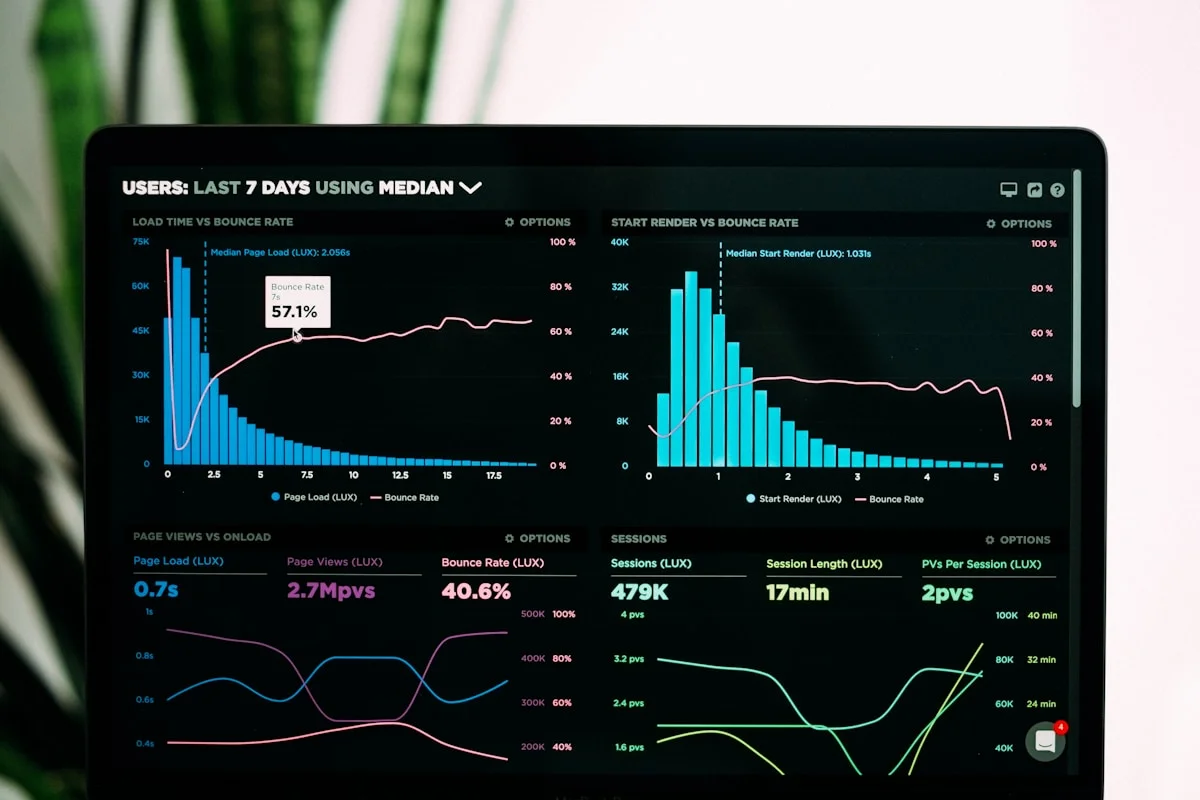
The Pitfalls of the Quantified Self: When Data Becomes Counterproductive
Measurement is not a cure-all. Research also identifies negative effects, grouped under terms like "data orthorexia" or "quantified anxiety."
A meta-analysis published in Psychology & Marketing (2025) puts it plainly: when goals go unmet, data can become a source of intense stress, ultimately harming well-being [9]. This is the paradox of obsessive tracking: you start measuring to feel better, and end up feeling judged by your own numbers.
To avoid this trap, researchers recommend:
- Setting flexible, progressive goals rather than rigid thresholds;
- Focusing on trends rather than absolute values — your sleep this week versus last week, not against an external benchmark;
- Limiting the number of tracked metrics — three well-chosen indicators are worth more than twenty raw data points poorly understood;
- Taking breaks from tracking, especially during high-stress periods.
Building a Self-Tracking Practice That Lasts
The secret to effective quantified self practice lies not in the sophistication of the technology, but in the relevance of the data collected. Here is a structured approach:
Step 1: Choose a Target Habit
Do not try to measure everything at once. Identify one habit that genuinely matters to you — sleep, exercise, screen time, music listening — and focus on it for four weeks.
Step 2: Define One Simple Indicator
For sleep: duration and bedtime. For exercise: weekly frequency. For music: genre listened to at different times of day. A single number can be enough to trigger meaningful awareness.
Step 3: Cross-Reference Your Data
This is where the real insight emerges. A single metric describes. Cross-referenced with another, it explains. Sleeping poorly? Look at what you did the evening before. More productive on certain days? Analyze your exercise, music, and dietary habits on those days. Correlation does not prove causation, but it opens up the right questions.
Platforms like Kantise allow you to connect multiple data sources — Spotify, Steam, Withings health data, GitHub activity — into a single dashboard, making it possible to explore these correlations without needing to be a data scientist. The goal is not to produce an exhaustive report, but to identify the patterns that are uniquely yours.
Step 4: Act on Insights, Not Raw Data
Data is not an end in itself. It is a signal. If you notice you exercise 40% less on days after extended gaming sessions, that does not mean you should stop gaming. It invites further exploration: is it fatigue? Disrupted sleep? Diet? The insight is a starting point for reflection, not a prescription.
The Quantified Self and Privacy: A Question Worth Asking
Behind the enthusiasm for data, a key reality cannot be ignored: 38% of health apps do not comply with GDPR, according to a 2024 report by the French data protection authority CNIL [10]. Your biometric data — heart rate, sleep patterns, physical activity — is among the most sensitive personal information that exists.
Before choosing a tracking tool, verify:
- where your data is stored and under which jurisdiction;
- whether data is anonymized or pseudonymized;
- who can access it and for what purpose;
- whether you can export or delete your data at any time.
GDPR's right to data portability entitles you to retrieve your information in a readable format. Use it. To learn more about responsible data practices in this space, explore Kantise's approach or browse more articles on the blog.
FAQ
Is the quantified self only for tech enthusiasts?
How many metrics do I need to track to see results?
Can tracking habits create a dependency on numerical validation?
Is my health data safe in a tracking app?
How long does it take to notice behavioral change through self-tracking?
Ready to move from intuition to genuine self-knowledge? The quantified self is not about gadgets or numbers — it is a new lens through which to understand your own rhythms. To get started, explore the available features and discover how to connect your digital, physical, and health habits in one place.
Sources
- Statista, Global fitness tracker market size 2024, 2024.
- CNIL / Baromètre du numérique, Connected health device ownership in France, 2023.
- Health Data Hub, Annual Report 2024, Paris, 2024.
- Stiglbauer B. et al., How Self-tracking and the Quantified Self Promote Health and Well-being: Systematic Review, Journal of Medical Internet Research, 2021.
- Liao Y. et al., Effectiveness of Wearable Trackers on Physical Activity in Healthy Adults, JMIR mHealth and uHealth, 2020.
- Laranjo L. et al., Systematic review and meta-analysis of standalone digital behavior change interventions on physical activity, npj Digital Medicine, 2025.
- The Lancet Digital Health, Wearable sensor monitoring and heart failure hospitalization, December 2023.
- Pinto P., Habit Formation: Science-Backed Strategies For Leaders To Build Lasting Change, 2025.
- Jain G. et al., Self-quantification and consumer well-being: A meta-analytic review, Psychology & Marketing, 2025.
- CNIL, Report on GDPR compliance of health applications, 2024.
Kantise is an observation tool for your habits, not a medical device. The information in this article is for educational purposes only and does not replace professional medical advice.