
What if the morning workout you force yourself to do before work is not actually your body's best performance window? Chronobiology — the science of biological rhythms — has some surprising answers. They might change how you think about training time entirely.
Why Timing Your Workout Matters More Than You Think
You have probably noticed it: some days your body feels like a well-oiled machine, other days even a moderate effort feels like a struggle. Same training plan, same sleep duration — yet very different results. Before blaming motivation or nutrition, consider your body clock.
Modern schedules force us to train at convenient times, not optimal ones. Early morning before work, or late evening after long meetings. These windows are determined by our calendars, not our circadian biology. The cost? You may be consistently training outside your personal performance peak without ever realizing it.
The Science Behind Circadian Performance
Your body operates on a roughly 24-hour internal clock — the circadian rhythm — regulating body temperature, hormone levels, muscle strength, reaction time, and energy availability. This is not abstract theory; it is documented by decades of rigorous research.
A comprehensive review published in Comprehensive Physiology (Brito et al., 2022) found that maximal short-duration performance — sprints, jumps, isometric contractions — peaks consistently between 4 PM and 8 PM. The primary driver is core body temperature: it reaches its daily maximum in the late afternoon, improving muscle elasticity, speeding up energy metabolism, and enhancing neuromuscular transmission efficiency.
Hormones tell a similarly compelling story. Cortisol spikes right after waking — excellent for alertness, but not ideal for peak physical output. A narrative review in Heliyon (Knaier et al., 2023) highlights how these hormonal fluctuations affect not only performance during training, but also muscular adaptation and even injury risk depending on when you train.
Your Chronotype: The Missing Variable
Here is where it gets personal. Not everyone runs on the same internal clock. Chronobiology classifies individuals into three broad chronotypes:
- Morning types (larks): naturally alert early, they reach their cognitive and physical peak before noon.
- Evening types (owls): performance ramps up later in the day, often peaking after 6 PM or 8 PM.
- Intermediate types: the majority of people, with a performance window spread across the mid-afternoon hours.
A systematic review by Vitale & Weydahl (2017) found that athletic performance can vary by up to 26% depending on whether training time aligns with an individual's chronotype. The same athlete, same workout, can produce dramatically different outputs based purely on timing. Research by Facer-Childs et al. (2018) further confirms that evening types show significantly worse physical and cognitive performance in the morning — not from lack of effort, but from biological misalignment.
Morning Workouts Are Not Doomed
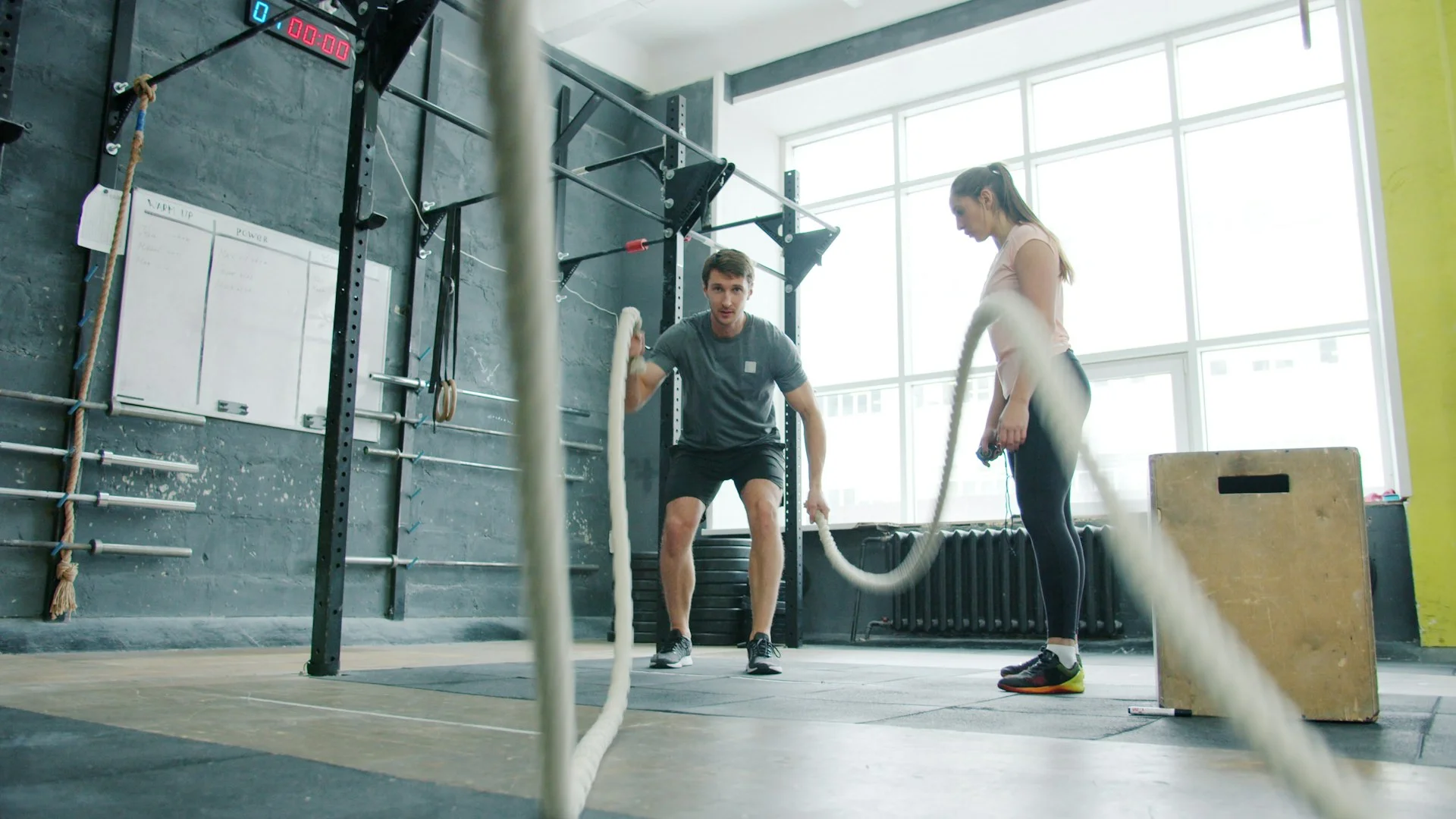
Before you cancel your 6 AM gym session: the science is more nuanced than "evenings are best." Morning training offers real advantages — better fat oxidation, easier habit formation (fewer scheduling conflicts), and importantly, the body adapts to consistent training times. Swimmers who train exclusively in the morning develop morning performance profiles that exceed their general baseline.
The real enemy is not morning training — it is inconsistency. Training at wildly varying times prevents your body from establishing any stable temporal signal. For key sessions — high-intensity efforts, personal records, competition prep — aligning with your chronotype produces a measurable advantage.
Four Signals to Find Your Performance Window
You do not need a lab to start understanding your rhythm. Over several weeks, observe these four markers:
- Spontaneous energy: at what time of day do you feel naturally ready without forcing it?
- Consistent effort performance: compare your times or weights on the same exercise at different times of day. Let the data speak.
- Post-workout recovery: a well-timed session feels different the next day — less fatigue, quicker bounce-back.
- Sleep impact: if a late-night workout keeps you awake until 2 AM, that is your body signaling that evening training does not suit your chronotype.
Using Data to Find Your Personal Peak
This is exactly the kind of pattern Kantise's features are designed to help you uncover. By logging your workouts with start time, perceived energy, and key performance metrics, Kantise's correlation tools surface your personal performance window — not the statistical average from a study, but yours, in your real life.
Kantise's philosophy is "Less Data, More Life": not obsessive tracking of every variable, but observing the right ones for a few weeks to extract actionable insight. If you want more context on how data-driven self-awareness can transform your training, explore the Kantise blog for related articles on HRV, recovery, and Zone 2 training.
Four Practical Strategies to Align Training With Biology
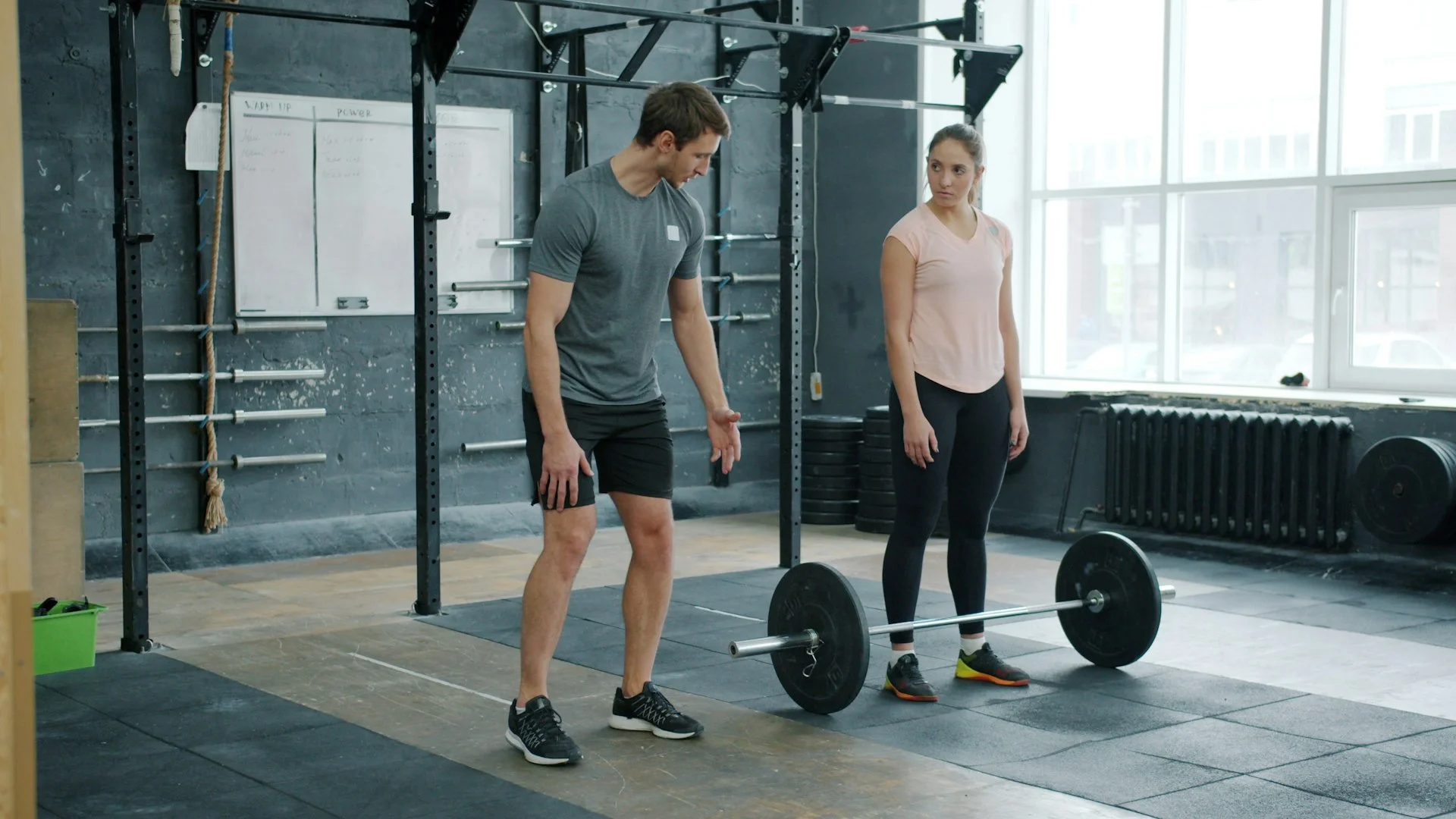
- Run a 4-week experiment: schedule the same workout at two different times (for example 7 AM and 6 PM) and track your performance and how you feel. Consistency in the test is key to isolating the time-of-day effect.
- Reserve key sessions for your peak window: high-intensity work, personal record attempts, and competition prep deserve your best biological moment. Easy sessions can happen anytime.
- Respect the wake-up lag: avoid maximum-intensity efforts within the first hour of waking. Core temperature and hormonal profile need time to ramp up — a longer warm-up compensates partially.
- Use morning light strategically: if you must train early but your chronotype skews late, 10 to 15 minutes of bright natural light right after waking advances your circadian peak and reduces biological misalignment.
FAQ
What is the scientifically optimal time to work out?
On average, physical performance peaks between 4 PM and 8 PM, driven by maximum core body temperature and favorable hormonal conditions. However, this window shifts significantly based on individual chronotype — morning types may peak earlier in the day. Consistency at any given time also plays a major role in optimizing results.
How do I identify my chronotype?
The simplest method: observe when you naturally fall asleep and wake up without an alarm, during vacation or free days. Morning types drift to early schedules; evening types stay up and sleep in. The MEQ (Morningness-Eveningness Questionnaire), freely available online, is the scientifically validated tool used in research worldwide.
Are morning workouts actually less effective?
Not necessarily. Morning training offers better fat oxidation, stronger habit consistency, and the body adapts to the timing over time. For morning chronotypes, it may actually be their optimal window. A consistent 7 AM routine will always outperform an irregular workout at the theoretically ideal time.
Does chronobiology apply to all types of exercise?
Yes, but the magnitude varies. Explosive sports — sprinting, weightlifting, HIIT — show the strongest circadian effects, since they depend on neuromuscular power that closely tracks body temperature rhythms. Light endurance activities (walking, yoga, gentle swimming) are less affected. Cognitive flexibility, critical for strategy-based or reaction sports, also follows a notable circadian pattern.
How long does it take to identify my optimal training window?
In practice, 4 to 8 weeks of consistent observation is enough to surface clear trends — provided you intentionally vary your session times and track performance consistently. The more standardized the effort (same type of workout, same conditions), the cleaner the signal. A tracking app removes the friction of doing this manually.
Ready to Train at Your Body's Best Time?
You do not need to overhaul your schedule to benefit from chronobiology. Start by observing. Log your session times, your energy levels, your key performance metrics. Over a few weeks, a pattern will emerge. If you want a tool to automate that correlation without spending hours on spreadsheets, see what Kantise offers for tracking your sport habits. And to understand the thinking behind it, read about Kantise's mission: an app built on the idea that knowing yourself better means living better.
Sources
- Brito, L.C. et al. (2022). Chronobiology of Exercise: Evaluating the Best Time to Exercise. Comprehensive Physiology.
- Vitale, J.A. & Weydahl, A. (2017). Chronotype, Physical Activity, and Sport Performance: A Systematic Review. Chronobiology International.
- Facer-Childs, E.R. et al. (2018). The effects of time of day and chronotype on cognitive and physical performance. Sports Medicine Open.
- Simim, M. et al. (2024). Influence of time-of-day on neuromuscular performance in team sport athletes. Frontiers in Sports and Active Living.
- Chtourou, H. & Souissi, N. (2012). Circadian Rhythms in Exercise Performance: Implications for Hormonal and Muscular Adaptation. J Strength Cond Res.
- Knaier, R. et al. (2023). The role of circadian rhythm on sports performance, hormonal regulation, immune system function, and injury prevention. Heliyon.
Disclaimer: Kantise is a habit observation tool, not a medical device. The information in this article is for educational purposes only and does not constitute medical advice or a personalized training program. Consult a qualified healthcare professional or certified coach for sport programs tailored to your individual situation.