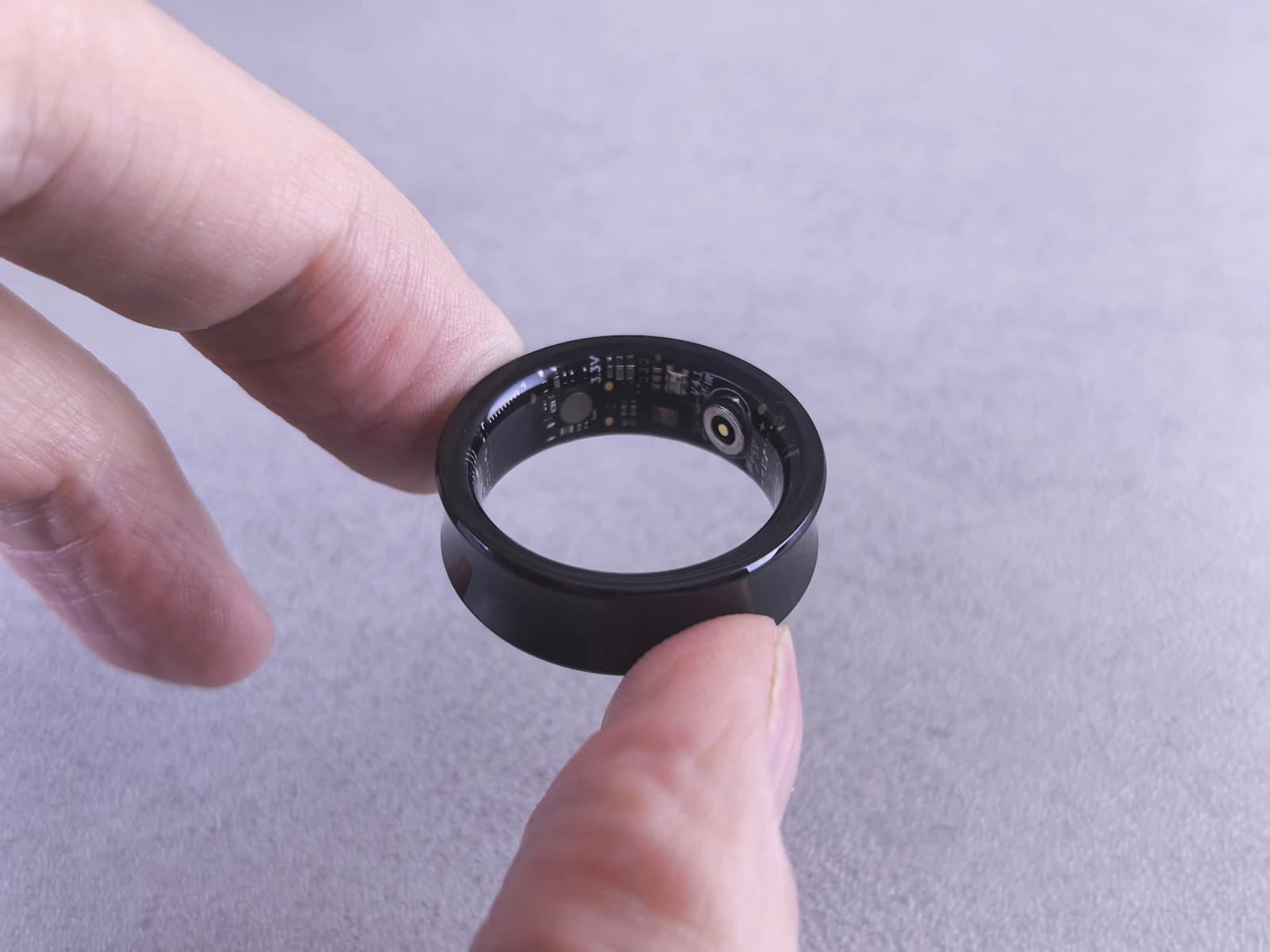
In January 2026, a meta-analysis published in npj Digital Medicine tackled a question that had long sat in the blind spot of connected health: do the devices we wear on a wrist or a finger actually read the menstrual cycle? By pooling 27 studies, 6,244 participants, and 14,288 cycles, its authors concluded that wearable temperature sensing detects the fertile window with an overall accuracy of 0.88. A solid figure — but one that needs to be put back in its physiological context before drawing any practical conclusion.
Why temperature tells the cycle's story
The menstrual cycle is not just a calendar. It is a sequence of hormonal states that reshape physiology in depth, several of which leave a measurable signature. The oldest and best-established is thermal. After ovulation, the corpus luteum secretes progesterone, a hormone that acts on the thermoregulatory center of the hypothalamus and slightly raises resting body temperature.
A 2024 study in the Journal of Biological Rhythms, run on 120 participants aged 18 to 52 wearing a smart ring, quantified the phenomenon: temperature is lowest during the follicular phase, then rises by 0.3 to 0.7°C after ovulation, in the presence of progesterone, reaching its maximum during the luteal phase. That same study tempers the classic image of a "biphasic plateau," however: the real curve looks more like a continuous oscillation than a single step.
It is precisely this post-ovulatory rise that manual basal body temperature measurement has tried to capture for decades. The traditional method's problem is not its validity — it detects the biphasic profile in 98% of cycles with confirmed ovulation — but its burden: you have to take your temperature on waking, every morning, at a fixed time, before any movement. A discipline few people sustain over time.

What continuous measurement changes
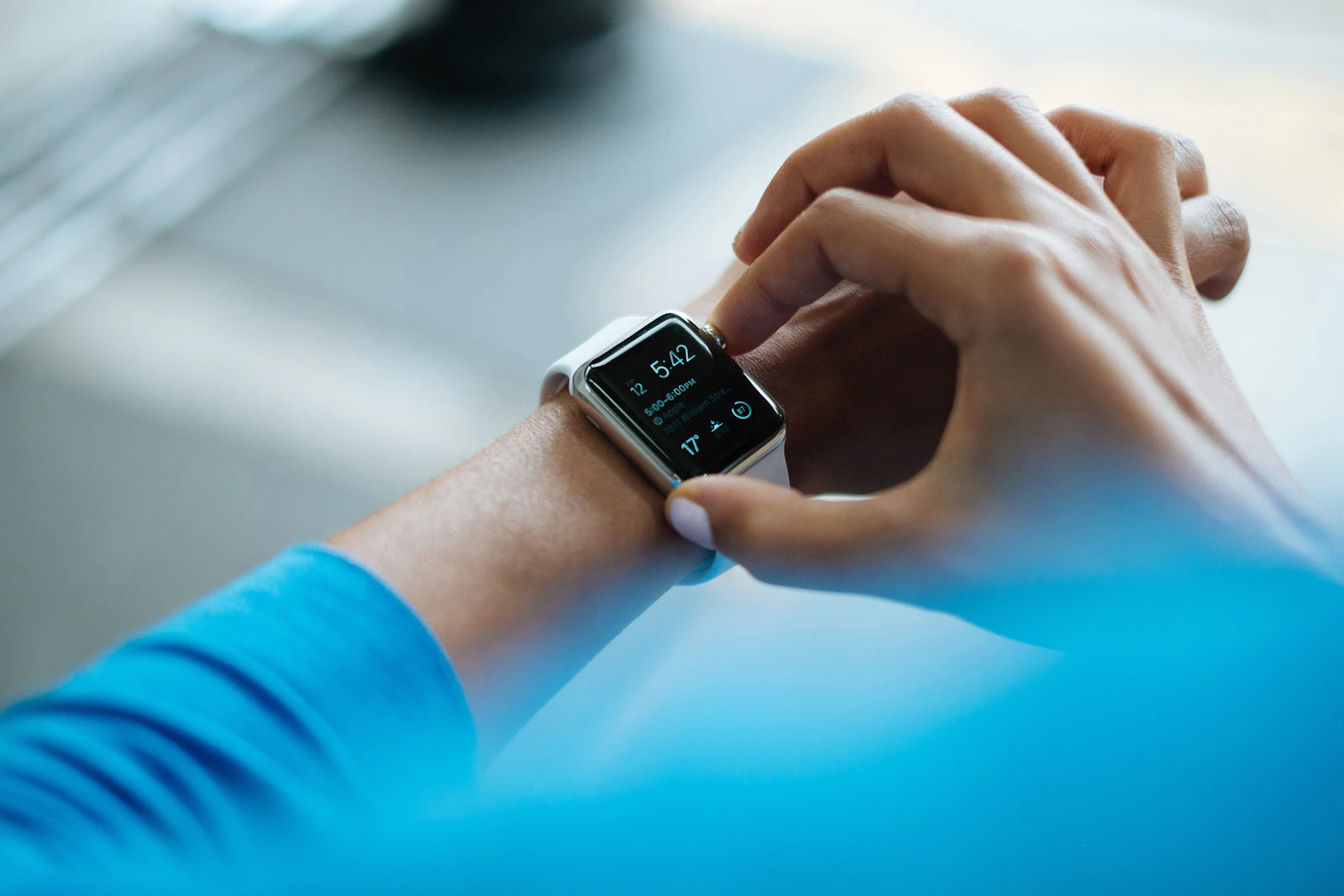
The breakthrough brought by smart rings and watches is not the measurement itself but its continuity. Rather than one data point a day, exposed to human error, these sensors record skin temperature hundreds of times per night, during sleep, when external disturbances are minimal. The algorithm no longer looks for a single threshold: it models a trend.
The most cited validation to date was published in 2025 in the Journal of Medical Internet Research. Across 1,155 ovulatory cycles from 964 users, the physiology-based method detected ovulation in 96.4% of cases, with an average error of 1.26 days against urinary ovulation tests used as the reference. More importantly, the gap with the calendar method widened for the hardest profiles: for women with irregular cycles, 82% of the ring's estimates fell within two days of the true date, against only 32.5% for the classic calendar calculation.
Beyond temperature, the cycle leaves other traces in passive data. Resting heart rate tends to climb in the luteal phase, and heart rate variability to fall — two signals wearables already track routinely. This is the whole point of reading several indicators together rather than one in isolation, a principle we detail in our piece on heart rate variability. Machine-learning models combining temperature, heart rate, and HRV can classify the cycle's main phases more reliably than any single signal.
The line not to cross: prediction ≠ detection
Here lies the single most important distinction in the entire topic, and the one most often blurred. Detecting ovulation after the fact, thanks to a temperature rise that has already happened, is not the same as predicting the fertile day in advance. Temperature climbs once ovulation is over: it confirms, it does not anticipate.
Yet most consumer menstrual-tracking apps measure nothing at all. They extrapolate from a calendar, assuming a fixed fourteen-day luteal phase — an assumption that is wrong for a large share of women. Recent work is harsh: an Australian university review notes that many calendar apps wrongly classify biologically fertile days as "safe", especially for people with irregular cycles. A quality appraisal of these apps found that 22.1% contained serious inaccuracies, and purely calendar-based ovulation estimates are exactly right, to the day, only in a minority of cases.
The consequence is direct for anyone considering these tools as contraception: existing studies put the failure rate of tracking apps between 7 and 8% in real-world use — a level comparable to the male condom with typical use. For preventing pregnancy, those are numbers to know before resting a decision on them.
What a reliable tracker is actually good for
Outside the contraceptive arena, where caution remains essential, sensor-based tracking opens genuinely useful uses. Knowing where you are in your cycle helps interpret other signals: a restless night, an unusually high resting heart rate, or a dip in training form take on a different meaning once you know they coincide with the late luteal phase.
For female athletes, this contextualized reading helps avoid false alarms. A drop in HRV is not always a sign of overtraining or a brewing infection: it may simply reflect the moment in the cycle. Cross-referencing these indicators, rather than reacting to each in isolation, is the very heart of the approach we describe in our guide to quantified self and habit measurement. Resting heart rate, in particular, becomes far more meaningful once placed back in its hormonal context.
The data question
One angle no spec sheet highlights: the sensitivity of this information. Cycle, fertility, and temperature data are among the most intimate a person can generate. Their value to third parties — insurers, employers, advertisers — is not theoretical. Before adopting a tool, knowing where this data is stored, who can access it, and whether it can be exported or deleted matters as much as the sensor's accuracy.
Ultimately, the science has settled one point: nocturnal skin temperature, measured continuously, is a reliable marker of ovulation that has already occurred. Everything else — predicting the future, anchoring a contraceptive choice, protecting your data — depends on how you use it and how clearly you read what the measurement says, and above all what it does not.
FAQ
Can a smart ring or watch really detect ovulation?
Yes, but after the fact. A 2025 validation study in the Journal of Medical Internet Research, covering 1,155 cycles, detected ovulation in 96.4% of cases with an average error of 1.26 days. Detection relies on the temperature rise that follows ovulation: it confirms ovulation but does not predict it in advance.
How much does body temperature change across the cycle?
According to a 2024 study in the Journal of Biological Rhythms, body temperature rises by 0.3 to 0.7°C after ovulation, driven by progesterone, and reaches its maximum during the luteal phase. It is at its lowest during the follicular phase.
Are menstrual tracking apps reliable for preventing pregnancy?
With caution. Purely calendar-based apps often extrapolate a fixed fourteen-day luteal phase, which makes them imprecise for many women. Existing studies put their failure rate between 7 and 8% in real-world use, comparable to the male condom with typical use. They sometimes wrongly classify fertile days as "safe."
What is the difference between predicting and detecting ovulation?
Detecting means confirming that ovulation has occurred, thanks to the temperature rise that follows it — a retrospective and reliable piece of information. Predicting means announcing the fertile day in advance, which temperature alone cannot do, since it only rises after the event. Confusing the two leads to the errors of calendar apps.
Does the cycle affect data other than temperature?
Yes. Resting heart rate tends to rise in the luteal phase while heart rate variability falls. Knowing your position in the cycle therefore helps interpret these signals: a drop in HRV may reflect the moment in the cycle rather than overtraining or a brewing infection.