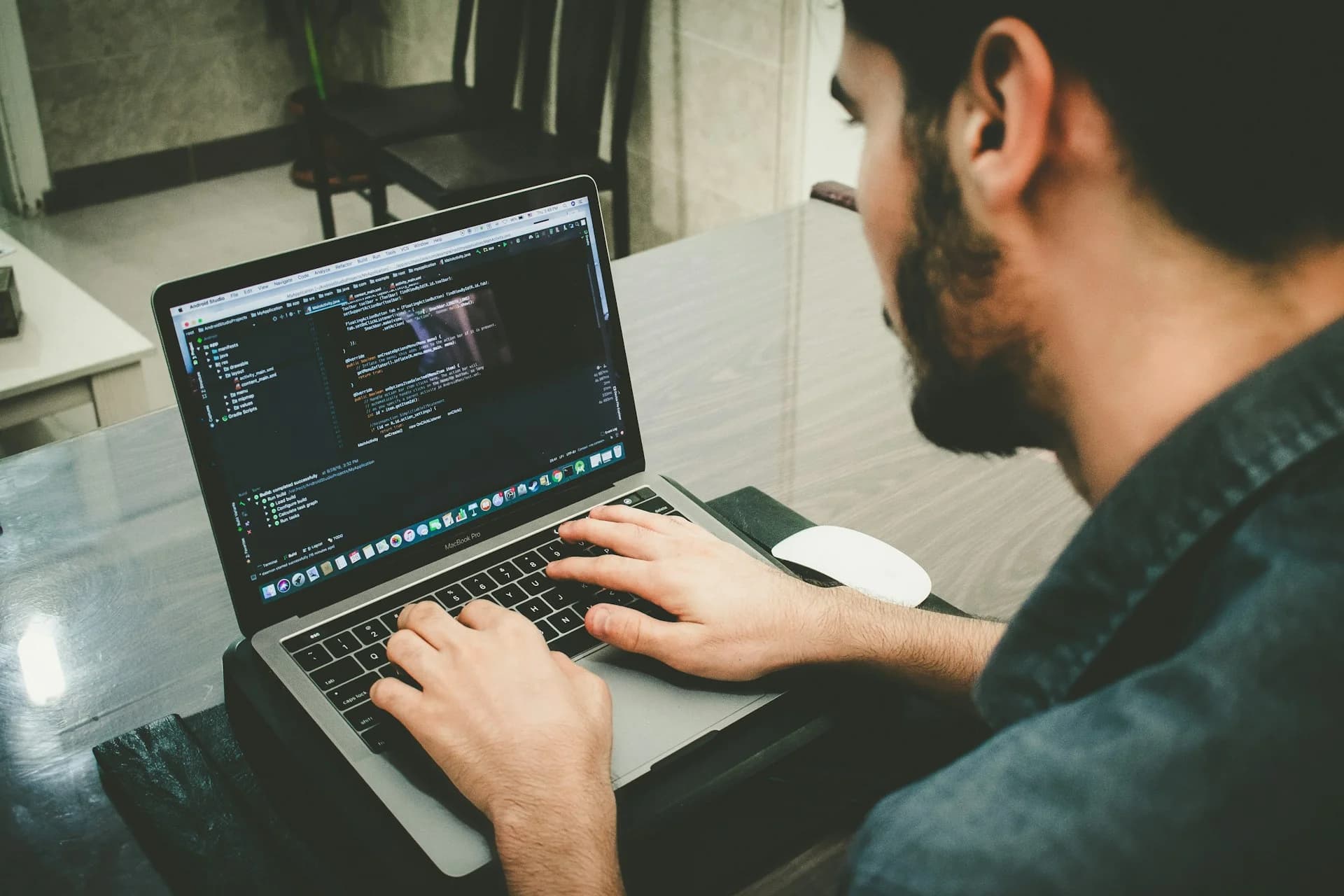
Eyes that ache, vision that blurs by evening, a dull headache behind the temples. Anyone who spends their days in front of a screen knows the feeling. It even has a name: digital eye strain, sometimes called computer vision syndrome. And the first remedy sold to the public — glasses that filter out "blue light" — rests on a surprisingly thin scientific base. So what actually tires your eyes at a screen, and what genuinely relieves them?
A real discomfort, but no injury
Digital eye strain covers a cluster of symptoms that the American Academy of Ophthalmology describes plainly: dry eyes, blurry vision, watery eyes, and headaches after a long stretch at a screen. It is uncomfortable, sometimes disruptive to focus, and widespread among people whose work happens largely on a display.
The good news, though: it is a transient nuisance, not lasting damage. Symptoms ease with rest and leave no known eye injury in adults. The key word is "transient." Understanding where the strain comes from lets you target the right cause — and avoid spending money on the wrong one.
The culprit is not blue light
This is probably the most counterintuitive conclusion. The blue-light-glasses market was built on the idea that the light from screens assaults our eyes and disrupts our sleep. Yet in 2023, a sweeping Cochrane review — the gold standard for synthesizing evidence — examined seventeen randomized trials across six countries. Its conclusion is unambiguous: blue-light filtering lenses probably do not reduce the eye strain associated with screen work, and the authors do not recommend prescribing them to the general population.
The physical reason is simple. The amount of blue light your eyes receive from a screen is on the order of a thousandth of what a day outdoors delivers. The American Academy of Ophthalmology is categorical: the small amount of blue light coming from screens has never been shown to harm your eyes. If your eyes tire, the color of the light is not to blame — the way you look is.
The real mechanism: you stop blinking enough
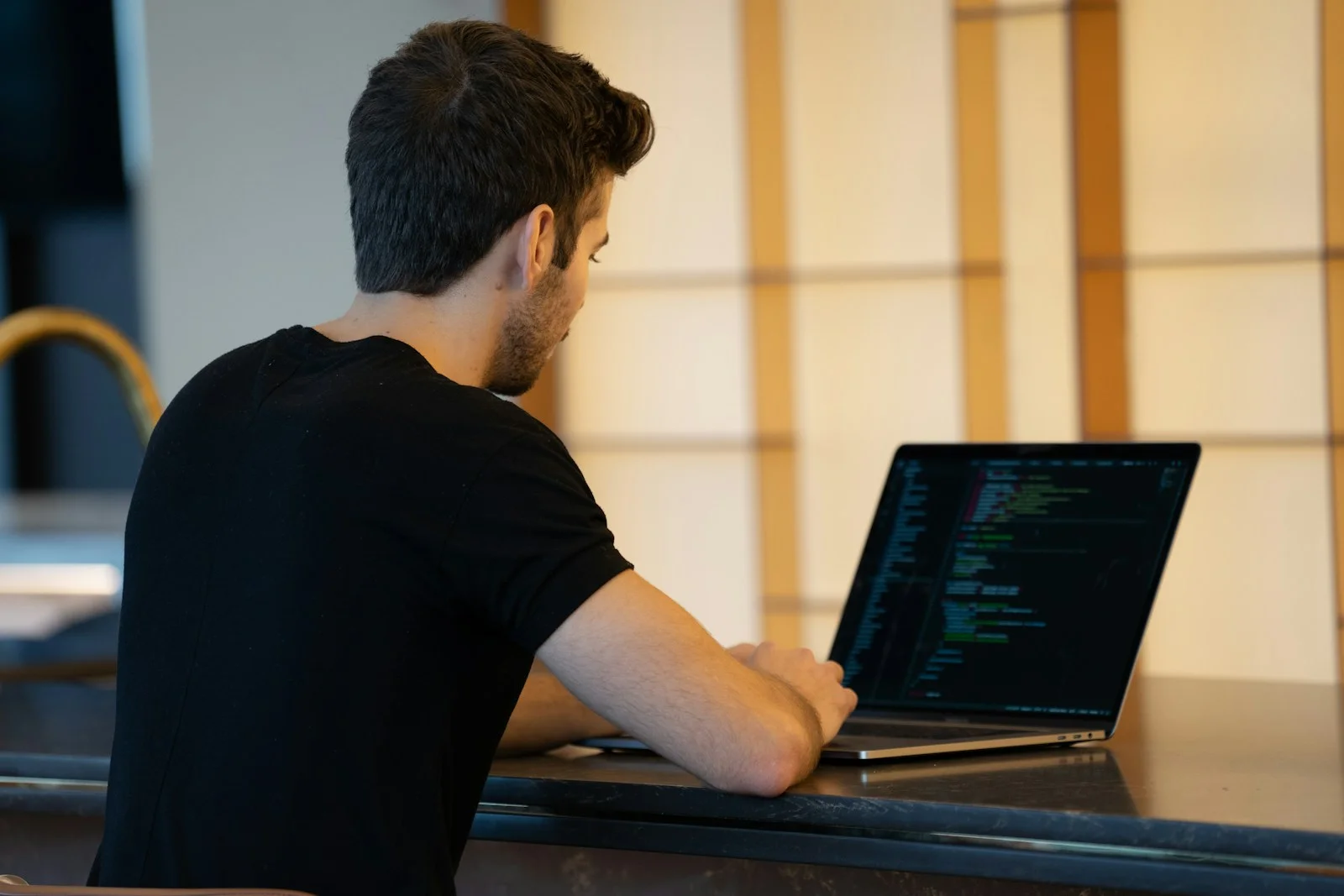
The central mechanism comes down to a gesture we forget: blinking. Normally we blink about fifteen times a minute. But according to the American Academy of Ophthalmology, that rate can be cut in half when we stare at a screen or focus on a near task. Fewer blinks — and, crucially, often incomplete ones — mean a tear film that evaporates without being renewed.
The result is familiar: dry eye. A review in Clinical Ophthalmology concludes that screen use alters blinking dynamics, reducing both blink rate and blink completeness, which dries the ocular surface. Add to that the constant demand on the muscles that focus near vision: holding focus on a close object for hours fatigues, like any muscle held under tension. The discomfort you feel is the sum of these two phenomena — an eye that dries out and a focusing system that never relaxes.
An often-ignored detail: reading a paper book up close lowers blinking just as much. The screen is not a special poison; it is the stillness of the gaze and the close distance, sustained over time, that cause trouble. This is exactly the kind of pattern found in prolonged desk work, a subject we cover in our article on sedentary work.
What actually helps (and what helps less)
Since the cause is mechanical, the effective remedies are too. The first is to blink consciously: a full, deliberate blink now and then restores the tear film. Artificial tears, available over the counter, quickly relieve dryness. As for setup, the American Academy of Ophthalmology recommends placing the screen about sixty centimeters from the eyes, slightly below the line of sight, and reducing glare and excessive brightness.
And the famous "20-20-20" rule — every 20 minutes, look 20 feet away for 20 seconds? It is sensible and entirely harmless, but its evidence is thinner than people think: a controlled trial published in 2023 found no measurable benefit from that specific interval on symptoms. What breaks actually deliver is not the magic of the number 20, but simply relaxing your focus and restoring normal blinking. Taking real breaks, standing up, looking into the distance remains worthwhile — a principle we detail in our piece on micro-breaks at work.

The real long-term stake: myopia in the young
If adult eye strain stays benign, there is a far more serious screen effect — but elsewhere: the myopia that progresses in children. Here again, blue light is not the issue. Researchers point instead to the combination of prolonged near work and a lack of natural light — spending days indoors, eyes at close range, appears to encourage excessive lengthening of the eye.
The best-established protective factor is surprisingly simple: time spent outdoors. A cluster-randomized trial published in Ophthalmology showed that increasing time outdoors reduced the onset of myopia in schoolchildren, with an often-cited benchmark of around two hours a day. The mechanism is thought to rest on the brightness of daylight, which stimulates correct eye development. For parents, the message is clear: it is less the screen to demonize than the time stolen from the open air.
Observe rather than guess
Eye strain never comes alone. It often accompanies a long day of screens, a late gaming session, a short night, or a poorly lit room. Rather than hunting for a single cause, the most useful approach is to spot what, for you, coincides with those aching eyes at day's end. Cross-referencing an evening headache with an unusually high screen time or a lack of breaks is often more telling than a ready-made explanation — an approach we describe in our guide to quantified self and habit measurement, echoing what we wrote about screen time and mood. That is exactly what Kantise's correlations make visible.
Kantise is a tool for observing your habits, not a medical device. If you have persistent eye discomfort, pain, or a drop in vision, consult an eye doctor.
FAQ
Do blue-light glasses really protect your eyes?
The evidence says no. A 2023 Cochrane review of seventeen randomized trials across six countries concluded that blue-light filtering lenses probably do not reduce screen-related eye strain. The blue light from a screen amounts to roughly a thousandth of daylight, and it has never been shown to harm the eyes.
Why are my eyes dry in front of a screen?
Because you blink less. The blink rate, normally about fifteen times a minute, can be cut in half when you stare at a screen, and blinks often become incomplete. The tear film evaporates without being renewed, drying the ocular surface. Blinking consciously and using artificial tears relieves it effectively.
Does the 20-20-20 rule work?
It is harmless, but its evidence is thin. A 2023 controlled trial found no measurable benefit from the specific "20-minute" interval on symptoms. What matters is regularly relaxing your focus and restoring normal blinking: taking real breaks and looking into the distance remains useful, regardless of the number.
Do screens permanently damage your eyesight?
In adults, digital eye strain is transient and leaves no known injury. The serious stake concerns children: prolonged near work, combined with a lack of natural light, drives the progression of myopia. The best-established protective factor is time spent outdoors, around two hours a day.
How can I actually reduce eye strain?
Blink deliberately, keep the screen about sixty centimeters away and slightly below your line of sight, reduce glare and excessive brightness, and use artificial tears if needed. Take real breaks to relax near vision. There is no need, however, to invest in blue-light glasses: the evidence does not support them.