Meal, sugar craving, and post-meal energy tracking
In seconds, you log what you ate, how strong a craving felt after the meal, your energy level, and your overall state. You stop looking only at the final snack and start seeing what led up to it.
Between post-meal sugar cravings, late-afternoon urges, energy crashes, and brain fog after some lunches, the real problem is not a lack of information. It is a lack of visibility.
Kantise helps you connect cravings, meals, energy dips after eating, mood, sleep, activity, weather, notes, tags, small challenges, and weekly planning so you can see what destabilizes you and what actually helps you regain steadier energy.
Kantise is an observation and organization copilot. If you already track glucose or insulin-related data with your care team, you can log it manually as context without turning Kantise into a medical device, an insulin calculator, or a substitute for clinical follow-up.
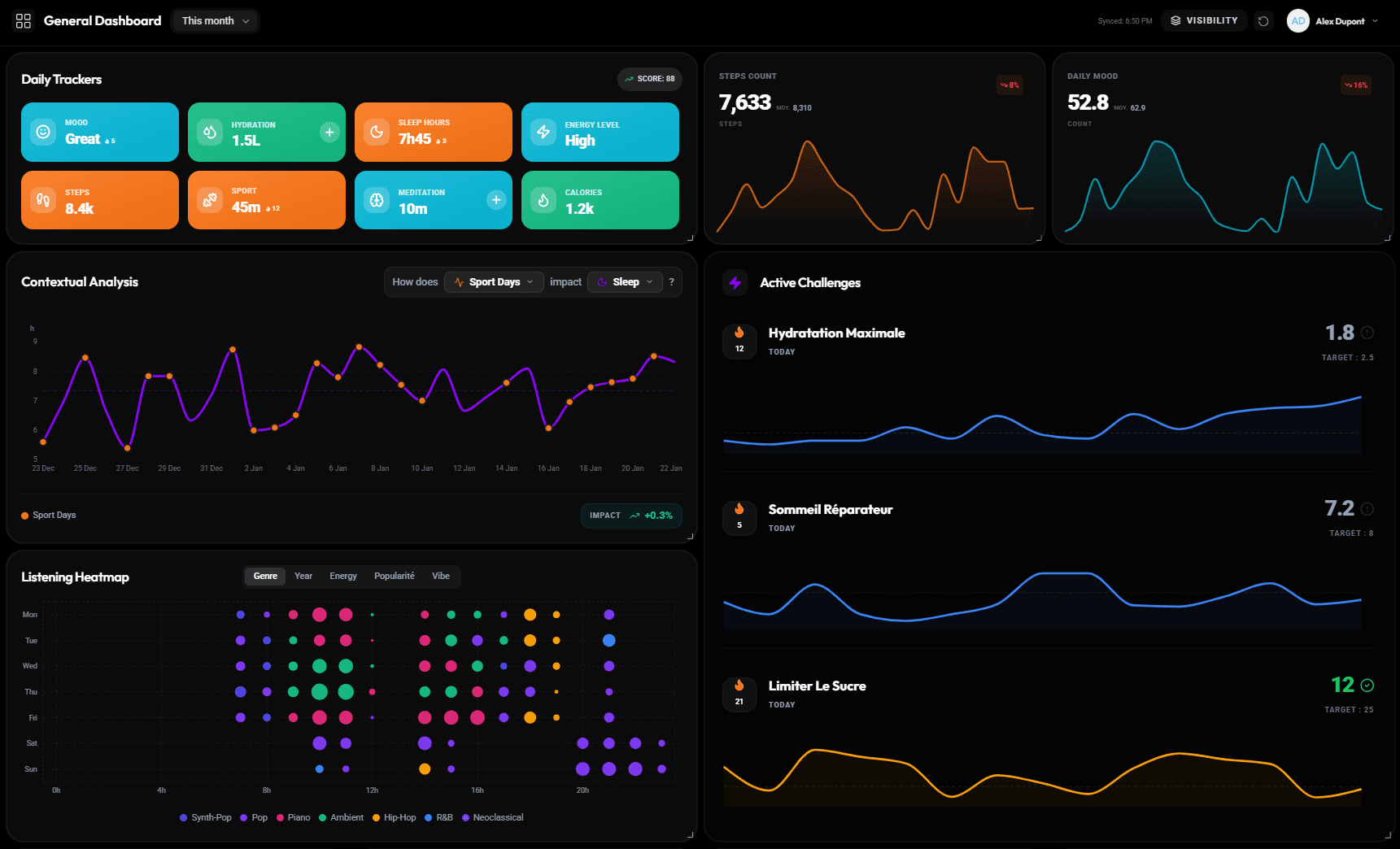
You cannot change what you do not understand. Kantise helps you see what truly comes before a post-meal sugar craving or an afternoon urge: meal timing, energy, mental load, sleep, stress, environment, and felt experience.
In seconds, you log what you ate, how strong a craving felt after the meal, your energy level, and your overall state. You stop looking only at the final snack and start seeing what led up to it.
A tense meeting, a rushed lunch, a snack photo, a short night, or a tag like “stress” or “late lunch” is often enough to restore context behind a late-day sugar craving.
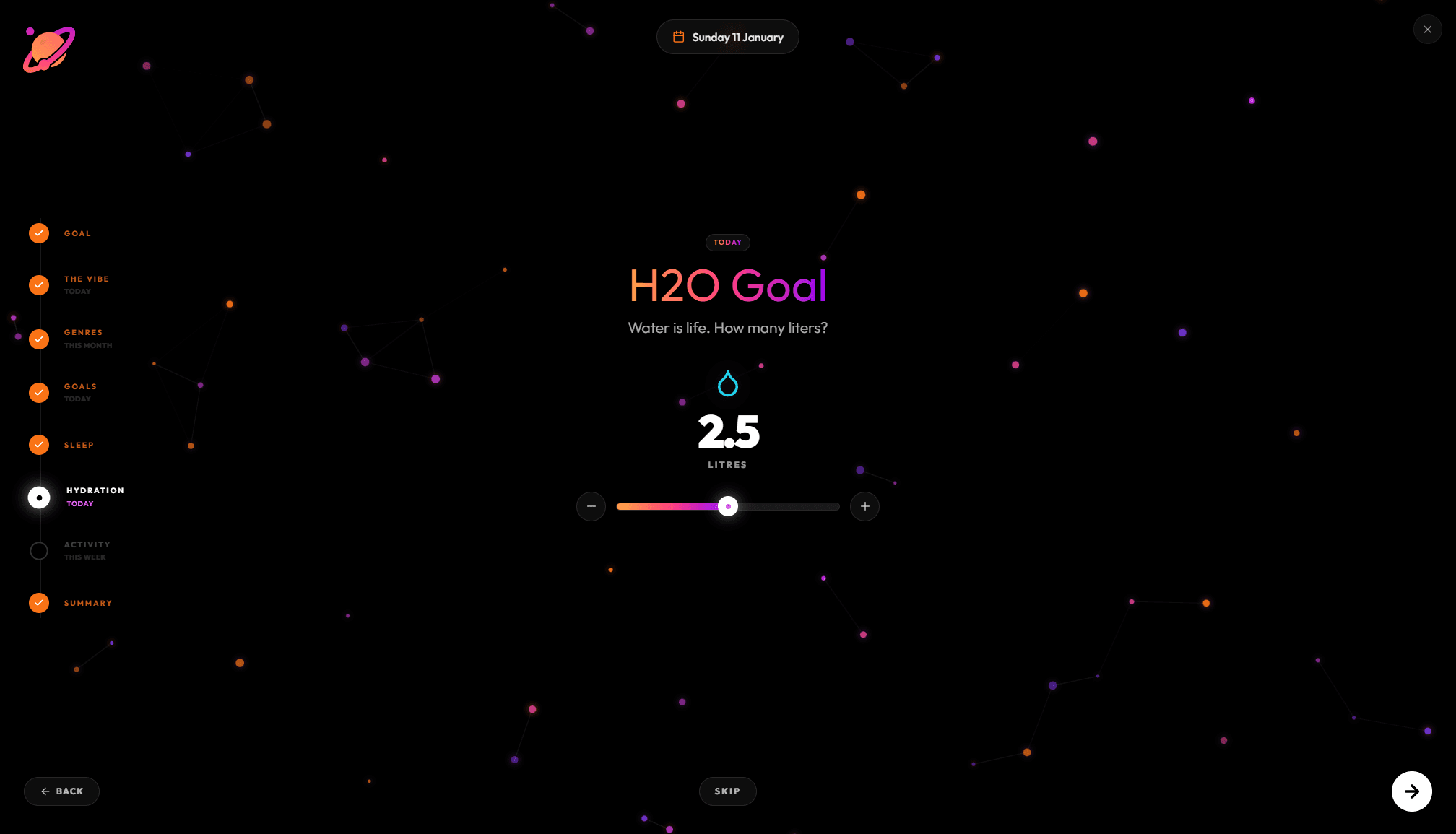
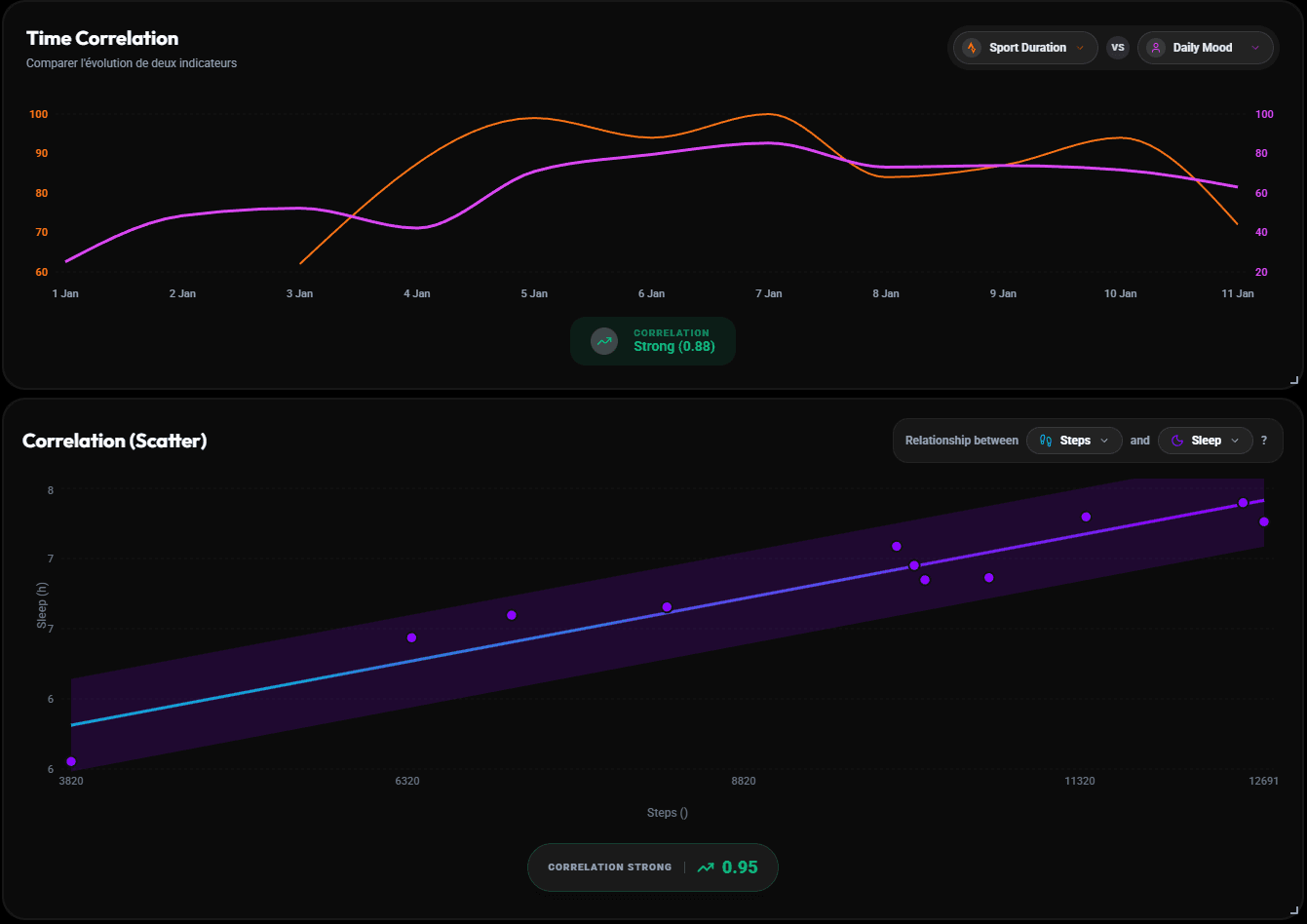
Daily balance is shaped by more than food alone. Sleep, stress, activity, meal regularity, environment, and even weather also matter. Kantise makes the links between sugar cravings, fatigue after eating, and context visible again.
Kantise connects meals, cravings, low energy after meals, mood, sleep, stress, activity, weather, and planning to surface the combinations that keep returning. You get fewer blind spots, less autopilot, and more clarity about high-risk moments.
If you already track glucose or insulin data with a healthcare professional, you can log it manually as personal context. Kantise helps you read your daily life; it does not diagnose or treat.
You log
Late lunch, 5 h 45 of sleep, sugar craving 8/10 at 4:30 PM
Kantise connects
The toughest episodes return mostly when sleep is short and lunch gets pushed back.
You test
You secure a more stable lunch and a planned snack on days when the morning runs long.
You log
Very sweet breakfast, high energy at 10 AM, brain fog at 11:30 AM
Kantise connects
The issue is not only “sugar” itself, but the mix of fast eating, low fiber, and stacked constraints.
You test
You compare two morning setups over a week instead of cutting everything at once.
You log
Stress 7/10, rain, no walk, craving spike after getting home
Kantise connects
Cravings do not come from the plate alone. Stress, environment, and decision fatigue also weigh on daily balance.
You test
You design a more predictable end-of-day routine on tense days instead of relying on heroic willpower.
The goal is not to force yourself back into impossible discipline. The point is to reduce blind spots, spot risk moments earlier, and bring more structure to days shaped by cravings and energy drops.
Instead of starting from zero every Monday, you test sustainable adjustments: moving lunch earlier, planning a structured snack, protecting a short walk, or easing a time block that often triggers cravings or a heavy crash.
Features versus practical benefits
Each feature serves a simple decision: better read what is happening to you, reduce autopilot, and build a more sustainable weekly rhythm.
Feature
What it changes
Feature
Meal, craving, energy, and feeling trackers
What it changes
You spot destabilizing sequences earlier instead of only noticing the final snack.
Feature
Notes, tags, and photos
What it changes
You finally understand the real context behind a craving instead of reducing everything to willpower.
Feature
Dashboards and correlations
What it changes
You can separate a recurring pattern from one isolated bad day, with more clarity about high-risk moments.
Feature
Gentle experiments and weekly planning
What it changes
You build realistic consistency without moral pressure or another “I’ll restart on Monday” cycle.
Feature
Manual glucose or insulin context
What it changes
If you already track certain data with your care team, you keep useful context in daily life without turning Kantise into a medical device or insulin calculator.
A short FAQ to clarify the approach: understand your patterns, reduce mental load, and stay compatible with professional follow-up when it already exists.
Observe your sugar cravings, meals, energy, and context in one place. See what repeats, what weakens you, and what genuinely helps you regain control.