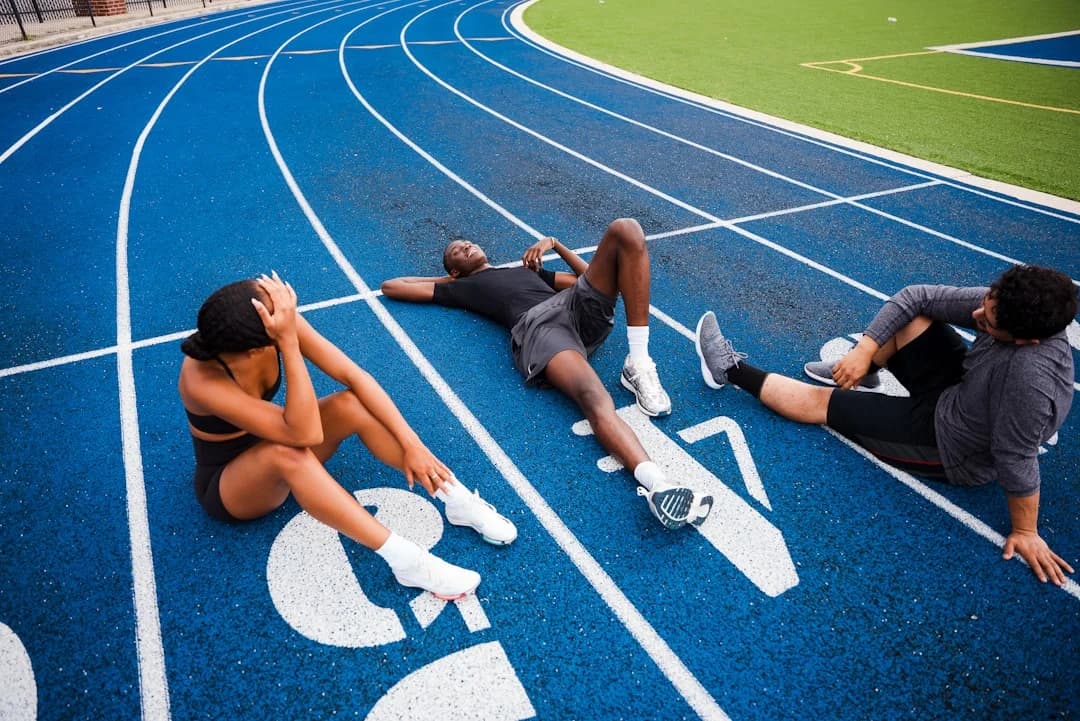
You have been training harder than ever. More miles, more sessions, more effort. Yet your times are getting worse, your energy is gone, and you dread your next workout. Sound familiar? This is overtraining syndrome — and it affects far more athletes than most people realize.
The "More Is Better" Trap
Athletic culture glorifies hard work. Push through the pain, no days off, train harder. But your body does not work that way. Progress does not happen during training — it happens after it, during recovery. Overtraining occurs when your training load consistently outstrips your body's ability to recover.
According to a 2022 review in Frontiers in Network Physiology, 30 to 40 percent of endurance athletes experience overtraining syndrome at some point in their career. Among elite runners, the lifetime incidence hits 60 percent, per a practical guide published in Current Sports Medicine Reports. The problem is widespread — yet it is rarely addressed in mainstream training programs.
Three Stages, One Spectrum
Experts distinguish three stages of overtraining, each progressively more serious:
- Functional overreaching: Short-term performance dip that resolves with a few days of rest. This is actually normal and intentional in periodized training.
- Non-functional overreaching (NFOR): Underperformance lasting 2 to 3 weeks despite recovery. First psychological symptoms appear — mood changes, sleep disruption, loss of motivation.
- Overtraining syndrome (OTS): Severe, prolonged underperformance lasting months. Full recovery can take from 3 months to over a year.
The danger is that the first two stages often masquerade as normal training fatigue. By the time OTS is recognized, it is already serious.
What Your Data Is Already Telling You
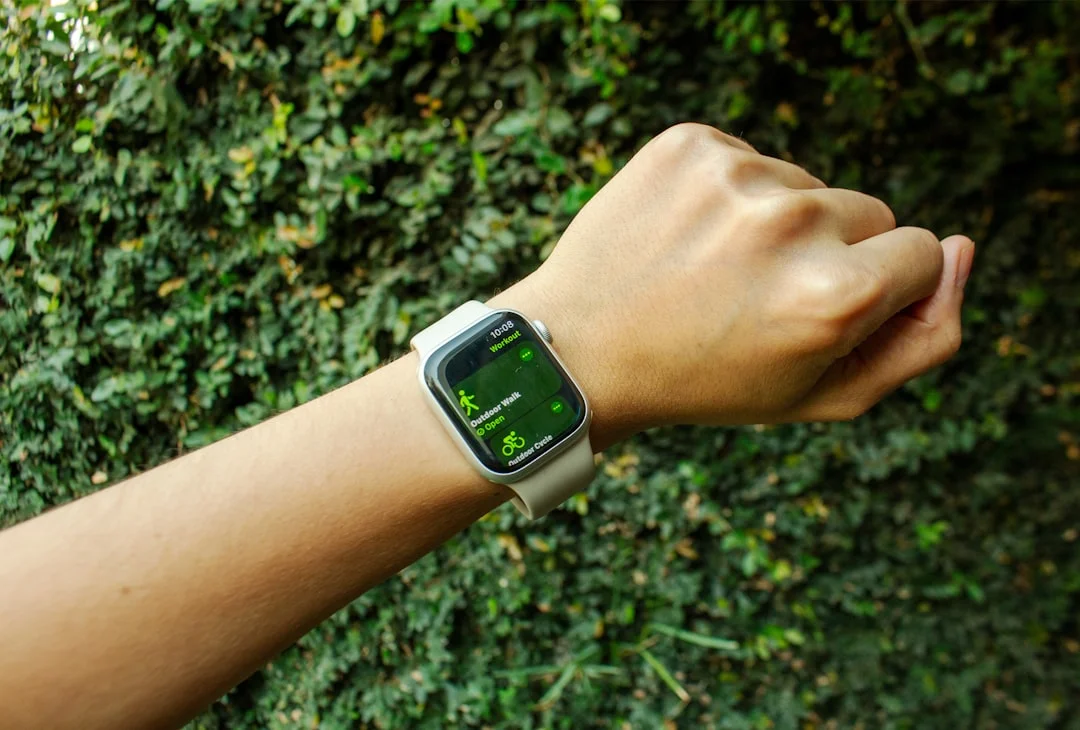
Here is the good news: your body starts sending warning signals well before overtraining becomes entrenched. And if you track your biometrics, you already have access to those signals.
Heart Rate Variability (HRV)
HRV measures the tiny variations in time between heartbeats. Higher variability signals a well-functioning autonomic nervous system and good recovery capacity. Lower variability signals stress — whether from hard training, poor sleep, or illness.
A landmark study in the European Journal of Applied Physiology (2004) demonstrated that measurable HRV declines precede visible overtraining symptoms — meaning your data flags the problem before you consciously feel it.
A 2024 narrative review in Sensors confirms that RMSSD — a specific HRV parameter — is the most reliable marker for monitoring athletes across training cycles. The caveat: never use it in isolation. HRV should always be read alongside subjective wellness scores and other biometrics.
Resting Heart Rate (RHR)
Your morning heart rate is a simple but powerful indicator. When you are fully recovered, it sits at its usual low baseline. When you are overstressed, it creeps up. The National Academy of Sports Medicine notes that an RHR elevated 5 to 7 beats per minute above your personal average is a reliable signal that your body needs more recovery time. If that elevation persists for several consecutive days, your training load needs to come down.
Sleep Quality
Overtraining disrupts sleep in a cruel paradox: you feel exhausted, but sleep poorly. Chronic systemic inflammation drives elevated IL-1 beta and TNF-alpha, which directly affect brain function, causing insomnia, fragmented sleep, and morning grogginess despite hours in bed. Tracking sleep quality — not just duration — reveals this pattern early.
Other Warning Signs
Beyond the numbers, watch for these behavioral and physical signs:
- Unexplained performance declines despite consistent training
- Irritability, mood swings, and anxiety — more than 70 percent of athletes with NFOR and OTS report emotional disturbances
- Loss of motivation or enjoyment in your sport
- Frequent minor infections due to immune suppression
- Persistent muscle soreness that does not resolve between sessions
- Appetite loss, or intense sugar cravings
How to Recover: A Science-Backed Approach
If several of these signals apply to you, the first step is accepting that backing off is not failure — it is strategy.
Reduce Training Load
Cutting volume by 50 to 70 percent allows your hormonal and nervous systems to rebalance. Do not zero out completely unless symptoms are severe; gentle activity often helps maintain mood and circulation without adding physiological stress.
Prioritize Sleep Quality
Sleep is your primary recovery tool. Consistent sleep and wake times, a cool dark room, and limiting screens before bed can meaningfully improve sleep architecture. This is not glamorous advice, but it works.
Fuel the Recovery Process
Overtraining is often compounded by under-fueling. Your body needs adequate protein for tissue repair, complex carbohydrates to replenish glycogen, and key micronutrients — iron, magnesium, and zinc. Do not be afraid of calories during recovery.
Plan Smarter, Not Harder
Long-term, prevention beats cure. Structured periodization — alternating loading and recovery weeks — is the gold standard. The 10 percent rule (never increase weekly load by more than 10 percent) is a simple, evidence-backed guardrail.
How Kantise Helps You Stay in the Green Zone
This is exactly why Kantise built its personalized tracking features. By centralizing your sport, sleep, and wellness data in a single dashboard, you can spot trends before they become problems.
When your HRV, resting heart rate, and sleep quality all dip simultaneously — that is your signal to rest. Kantise surfaces these patterns so you do not have to manually hunt for them. Explore our blog for more evidence-based strategies, or visit kantise.com to get started.
FAQ
What is the difference between normal fatigue and overtraining syndrome?
Normal fatigue resolves within 24 to 48 hours of rest. Overtraining persists despite rest: performance stays low, mood stays off, and biomarkers like HRV and resting heart rate do not return to baseline. If fatigue lasts more than a week despite reduced training, see a sports medicine professional.
How long does recovery from overtraining take?
Functional overreaching resolves in days. Non-functional overreaching takes 2 to 3 weeks. Full overtraining syndrome can require 3 months to over a year of recovery. This is precisely why catching it early — through data monitoring — is so important.
Can I still exercise lightly when overtrained?
In mild to moderate overreaching, gentle activities like walking, swimming, or yoga are generally fine and can support recovery. In severe OTS, complete rest may be needed initially. Always consult a sports medicine doctor before resuming structured training.
Is HRV a reliable marker for overtraining?
HRV is useful but imperfect. It is most powerful as a trend over several weeks rather than a single daily reading. It should always be interpreted alongside other data — resting heart rate, sleep quality, and subjective wellness. Combined with other signals, it is a powerful early warning system.
Does overtraining only affect elite athletes?
No. Recreational athletes are often just as vulnerable, sometimes more so. They combine intense training with stressful lives — demanding jobs, family responsibilities, poor sleep — without professional recovery support. The combination of high life stress and high training stress is exactly the recipe for OTS.
Ready to train smarter? Explore Kantise's tracking features and discover how your data can help you stay on the right side of the effort-recovery balance.
Sources
- Meeusen R. et al. (2012). "Overtraining Syndrome: A Practical Guide." Current Sports Medicine Reports. Read the study
- Aubert A.E. et al. (2004). "Decrease in heart rate variability with overtraining." European Journal of Applied Physiology. Read the study
- Meeusen R. et al. (2022). "Overtraining Syndrome as a Complex Systems Phenomenon." Frontiers in Network Physiology. Read the study
- Nakamura F.Y. et al. (2024). "HRV Applications in Strength and Conditioning." Sensors. Read the review
- National Academy of Sports Medicine (2024). "19 Signs of Overtraining." NASM Blog. Read the article
Disclaimer: Kantise is a habit-tracking and observation tool, not a medical device. If you experience persistent symptoms, consult a healthcare professional or sports medicine physician.