Feeling butterflies before a big meeting, losing your appetite under stress, going with your "gut feeling": everyday language has long tied the belly to the emotions. What folk intuition sensed, science now documents with growing precision. Between our intestine and our brain runs a constant dialogue, largely orchestrated by the billions of micro-organisms that populate our digestive tract. This community, the microbiome, has become one of the most active frontiers in neurobiology. But what do we really know about its influence on mood, and where does the hype begin?
Two organs in permanent conversation
The gut-brain axis refers to the web of communication pathways connecting the digestive system to the central nervous system. This dialogue travels along several channels at once. The most direct is the vagus nerve, a long nervous highway linking the brainstem to the abdominal organs. Contrary to a common belief, it does not simply issue top-down orders from brain to belly: the majority of its fibers actually run the other way, carrying a continuous stream of information from the gut up to the brain.
Alongside this neural route, the microbiome also communicates chemically. Gut bacteria manufacture a host of molecules — short-chain fatty acids, tryptophan metabolites, neurotransmitter precursors — that influence inflammation, the gut barrier, and, indirectly, brain activity. Finally, the immune system acts as a third interpreter: a large share of the body's immune cells reside in the gut wall, and their activity modulates signals that reach the brain.
Serotonin: a subtler story than it seems
You often read that "90% of serotonin is produced in the gut." The figure is accurate — estimates place gut production at 90 to 95%, generated by specialized cells called enterochromaffin cells, which are themselves responsive to the composition of the microbiome, as detailed in a 2025 review on the vagus nerve and serotonin. But this fact is routinely misread.
Serotonin made in the gut does not cross the blood-brain barrier: it therefore cannot directly top up the brain's own serotonin supply. The two systems are largely separate and even rely on different enzymes. In other words, "boosting" gut serotonin does not mechanically translate into a better mood. The influence runs through more indirect routes: peripheral serotonin activates vagus nerve fibers, which in turn relay signals that modulate, from a distance, certain brain circuits involved in emotional regulation and the stress response. The nuance matters if we want to avoid marketing shortcuts.

What the clinical trials show
Beyond mechanisms, the real question is clinical: does acting on the microbiome actually change how people feel? "Psychobiotics" — probiotics and prebiotics believed to benefit the mind — have been tested in numerous randomized controlled trials, now pooled into meta-analyses.
The picture that emerges is encouraging but nuanced. A 2025 meta-analysis in BMC Psychiatry concludes that probiotics, prebiotics, and synbiotics significantly improve symptoms of anxiety and depression compared with placebo. A separate review in Nutrition Reviews, focused on clinically diagnosed populations, finds a moderate and fairly consistent effect on depressive symptoms, while the effect on anxiety appears more limited.
These results call for caution. The measured effects are real but modest, the strains and doses vary widely from one study to the next, and methodological quality remains uneven. Nothing suggests that a yogurt or a supplement can replace proper care for clinical depression. The authors position these approaches instead as a possible add-on, to explore alongside — not in place of — established treatments.
Diet: the most tangible lever
If one result deserves attention, it may be that of overall diet, rather than isolated supplements. The SMILES trial, published in 2017, stands as a landmark: it was the first randomized controlled trial designed specifically to test a dietary improvement in adults with major depression. Over twelve weeks, one group received dietary counseling toward a Mediterranean-style diet, the other simple social support.
The "diet" group showed a markedly greater reduction in depressive symptoms, with a large effect size. A telling detail: eating more healthily did not cost more — the weekly food budget actually dipped slightly. The study involved a modest sample and needs replication, but it launched an entire field, "nutritional psychiatry," exploring the links between what fills the plate and mental health — a terrain where the microbiome plausibly acts as an intermediary.
Correlation, causation, and the risk of hype
The microbiome is a fascinating subject, but its popularity comes with a flood of overstated claims. Several traps await the reader. First, much of the most spectacular work is done in mice, and what holds for a lab rodent does not automatically transfer to humans. Second, many human studies are observational: they note that people with depression often have a different microbiome, without being able to say whether that difference is a cause, a consequence, or the reflection of other factors such as diet, physical activity, or sleep.
As a 2025 review on the gut-brain axis stresses, these relationships are bidirectional and tangled: stress alters the microbiome as much as the microbiome may shape mood. So be wary of the microbiome tests sold online with promises of "emotional rebalancing": science is not yet able to translate an individual bacterial profile into a reliable, personalized recommendation.
What to actually do
Good news: the habits that favor a diverse microbiome are the same ones long recommended for general health. Nothing esoteric, then:
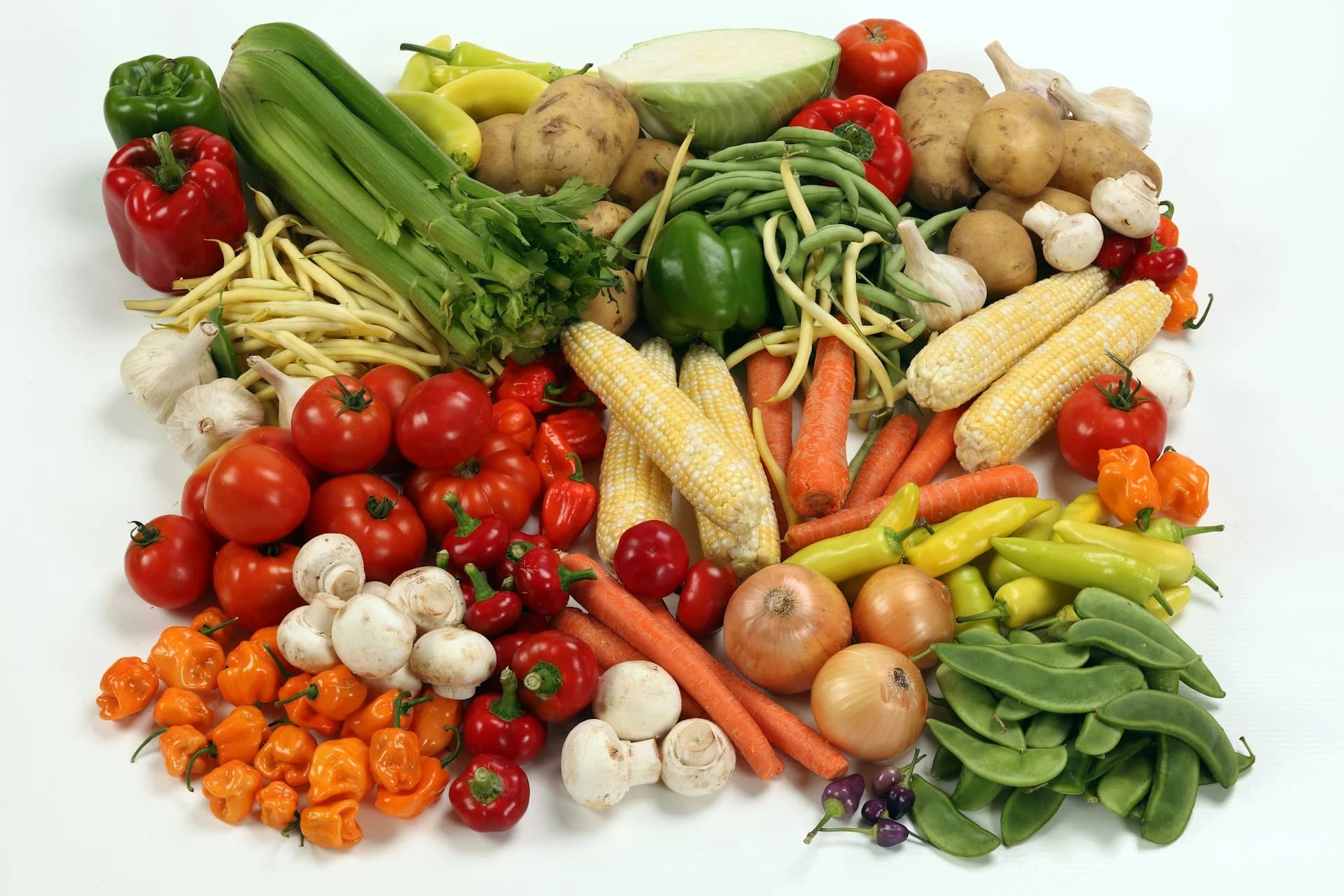
- Prioritize fiber and plant diversity. Vegetables, legumes, fruit, and whole grains feed beneficial bacteria. Variety matters as much as quantity.
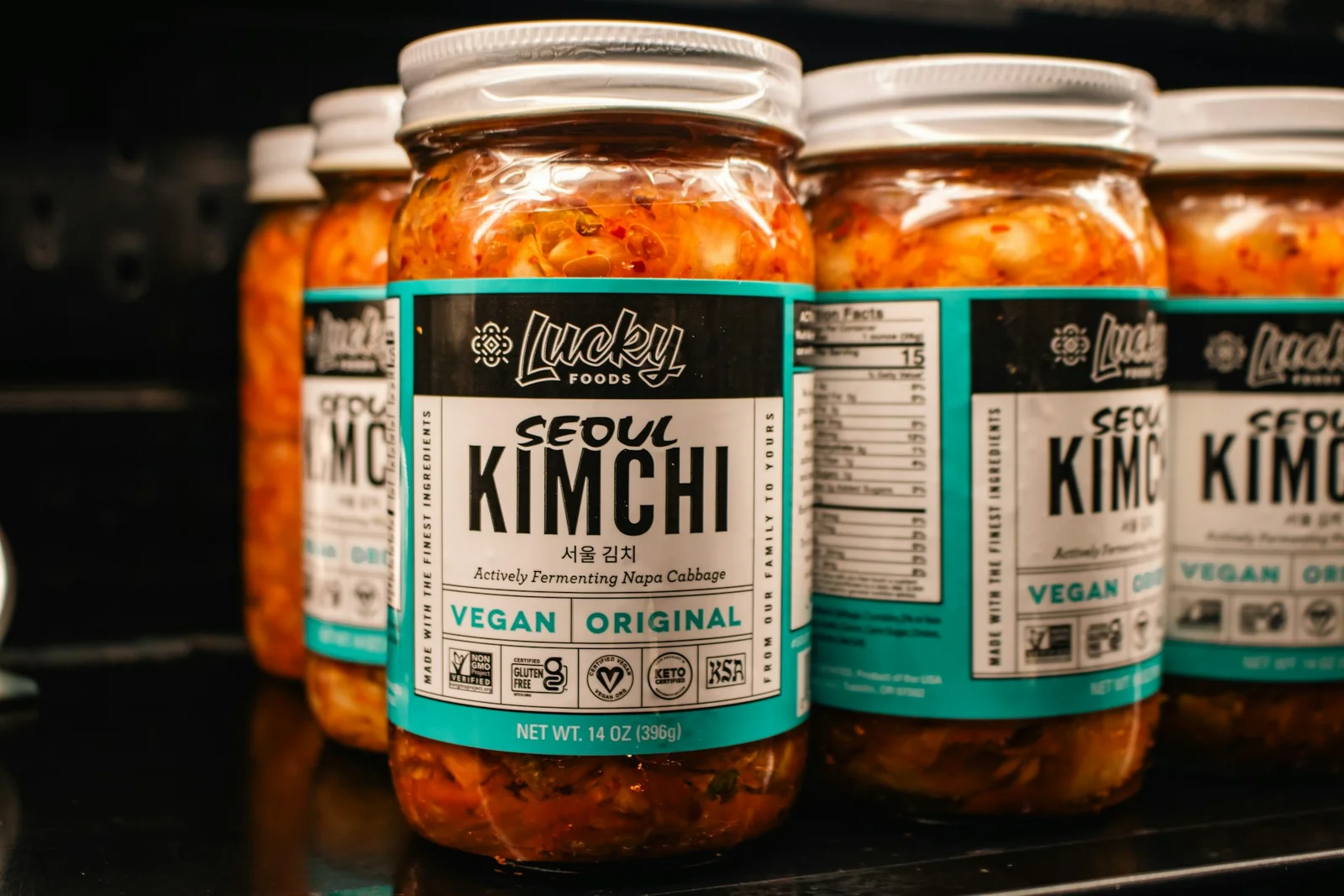
- Include fermented foods. Yogurt, kefir, sauerkraut, or kimchi provide live micro-organisms and are associated, in several studies, with greater microbial diversity.
- Limit ultra-processed foods. High in additives and low in fiber, they tend to impoverish the gut ecosystem.
- Move, sleep, manage stress. Physical activity, regular sleep, and lower chronic stress also shape microbiome composition — and mood, through many pathways.
One difficulty remains: how do you know what actually works for you? Effects are individual and often gradual. This is where tracking your own habits earns its keep. Rather than blindly trusting a generic promise, watching how your diet, sleep, activity, and mood evolve together over several weeks lets you spot the levers that matter for you. That is precisely the logic behind Kantise: cross-referencing your various personal data to turn vague impressions into readable trends. You will find more science-based articles in our blog, and a full overview of the approach on the homepage.
The gut-brain axis is neither a passing fad nor a miracle cure. It is a powerful reminder that the body works as a whole: what we eat, how we move, and how we sleep concern not only our waistline or our digestion, but also, quietly, the way we feel from day to day.
FAQ
Does the gut microbiome really influence mood?
Evidence suggests a real link via the vagus nerve, bacterial metabolites, and the immune system. The effects measured in trials remain modest, however, and most studies do not yet prove a direct cause-and-effect relationship in humans.
Is it true that 90% of serotonin is produced in the gut?
Yes, roughly 90 to 95%. But this gut serotonin does not cross the blood-brain barrier and so does not directly feed the brain. Its influence on mood runs through indirect routes, such as the vagus nerve.
Can probiotics cure depression or anxiety?
No, they do not replace treatment. Recent meta-analyses show a moderate benefit on depressive symptoms and a more limited one on anxiety. They may be considered a possible add-on, never a substitute for medical care.
Can diet affect mental health?
The 2017 SMILES trial showed that shifting toward a Mediterranean-style diet reduced depressive symptoms over twelve weeks, with a large effect size. The sample was modest, but this work founded nutritional psychiatry.
Should you get your microbiome tested to improve your mood?
It is not necessary. Science cannot yet translate an individual bacterial profile into a reliable recommendation. Better to rely on proven habits — fiber, fermented foods, exercise, sleep — and observe what works for you over time.