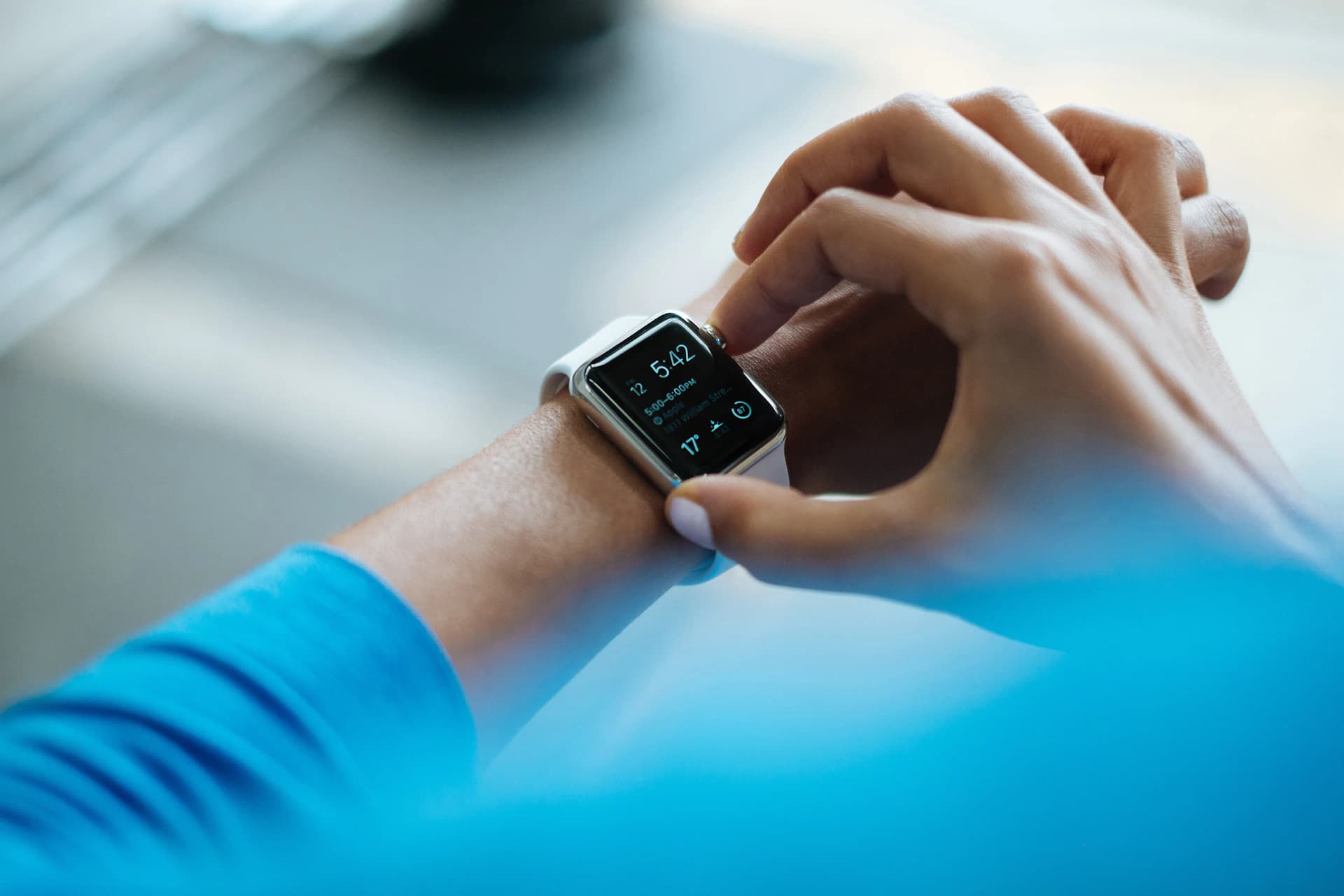
Your watch buzzes on your wrist and flashes a reassuring number: "124/79." In a single second, with no cuff and no effort, you are handed your blood pressure. The promise is seductive, almost magical. But behind that number, displayed with the confidence of a doctor's office, sits a question few users ever ask: can you actually trust it?
Why blood pressure haunts medicine
Hypertension is no niche concern. According to the World Health Organization, an estimated 1.4 billion adults aged 30 to 79 were living with high blood pressure in 2024 — roughly a third of that age group. More unsettling still: nearly 44% of them have no idea they have it.
The reason for that blind spot comes down to one word: silence. Most people with high blood pressure feel no symptoms at all. The pressure builds, wears down arteries, strains the heart and kidneys, and never announces itself. It is precisely this invisibility that makes the idea of continuous measurement — worn on the wrist, day and night — so appealing. A sensor quietly watching what the body never signals: on paper, the revolution looks obvious.
How a watch claims to measure pressure
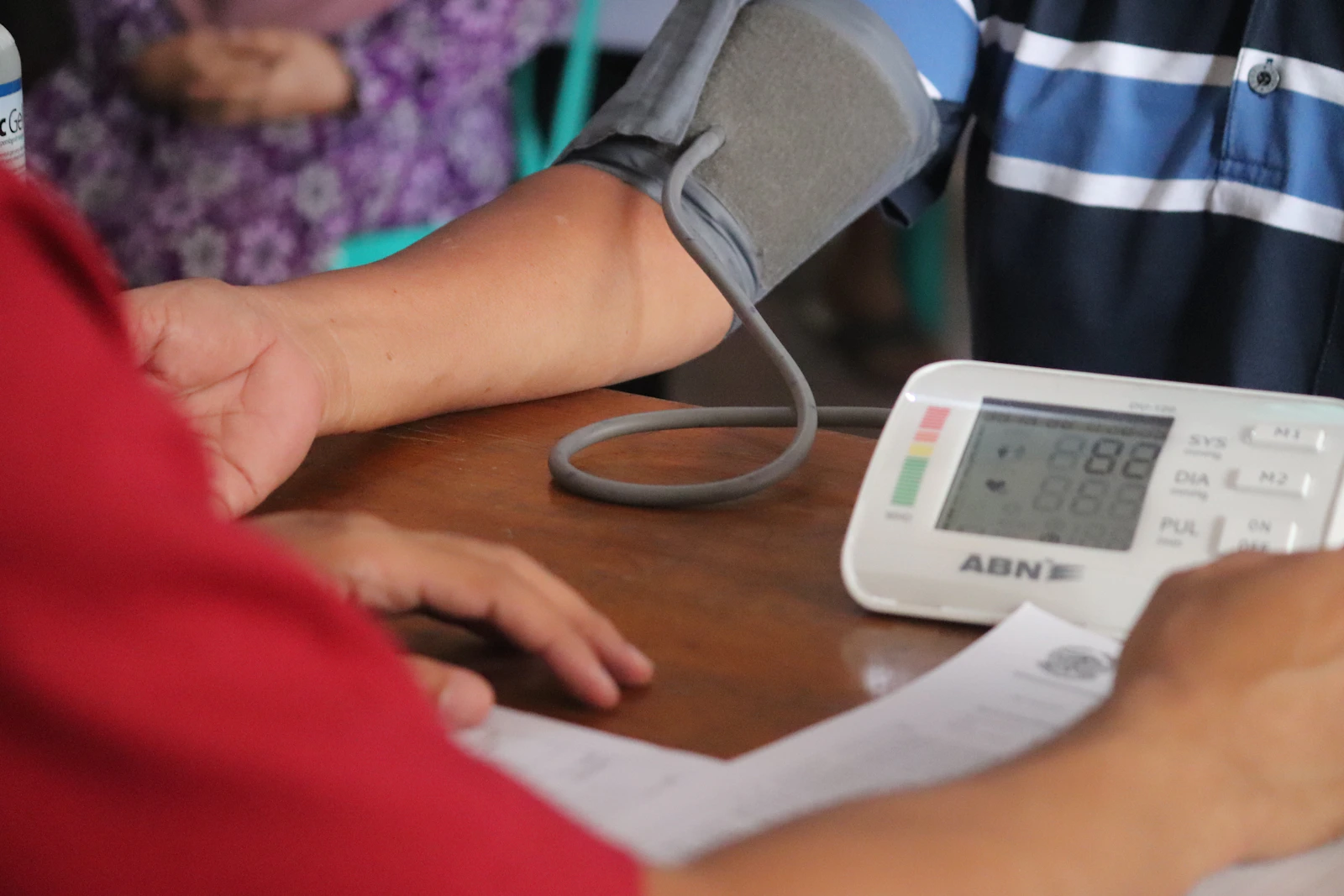
A traditional cuff works mechanically: it squeezes the artery in your arm, then slowly releases while listening for blood flow to return. It is direct, physical, and has been validated for more than a century.
A smartwatch squeezes nothing. It shines a green light onto your skin and analyzes how blood reflects that signal with each beat — the same optical technology that reads your heart rate. From the shape of that pulse wave, an algorithm estimates your pressure. The word matters: this is not a direct measurement but a statistical inference, usually calibrated at the outset against a real cuff. And that is exactly where the trouble begins.
What cardiologists actually say
In December 2025, the American Heart Association issued a statement that left little room for doubt. Its new scientific statement, titled "Cuffless Devices for the Measurement of Blood Pressure" and published in the journal Hypertension, acknowledges the promise of these devices while drawing a firm line.
The official wording is blunt: cuffless blood pressure devices "should not be used at this time to diagnose, track or treat high blood pressure." The message is not that the technology is useless, but that it is not yet ready to guide a medical decision.
Dr. Jordana Cohen of the University of Pennsylvania, who chaired the writing group, put the stakes plainly: "Without proper validation, readings from cuffless blood pressure devices are not reliable sources to inform treatment decisions." The risk is not trivial. A falsely reassuring number can delay a diagnosis, while an inflated one can trigger needless alarm.
The real issue: validation
The heart of the medical caution is not about watches alone, but about the entire market. Again according to the American Heart Association, up to 80% of all blood pressure devices sold worldwide have never undergone formal validation testing. In other words, most gadgets meant to measure your pressure have never proven, under an independent standardized protocol, that they return an accurate figure.
For cuffless optical sensors, the bar is even higher. A 2025 review published in Hypertension Research (Nature group) stresses that the quest for a genuinely accurate wearable blood pressure monitor remains wide open: validation protocols suited to these technologies still lack standardization.
Why it is so hard
Several very concrete factors blur a wrist-based reading:
- Arm position: a few centimeters above or below the heart is enough to shift the result.
- Calibration drift: the initial calibration against a cuff loses reliability over time and must be repeated.
- Skin color: optical light passes differently through different skin, a known source of sensor bias.
- Movement, sleep, exercise, certain medications: all variables that can distort the estimate.
So should you toss your watch?
Not at all. The nuance is essential: "not yet ready for diagnosis" does not mean "worthless." These devices can raise awareness, spark useful curiosity, and nudge someone toward a doctor. Following a rough trend over several weeks is not the same as diagnosing from a single reading — and it is that confusion you want to avoid.
A few simple guideposts emerge:
- To know your true blood pressure: use a clinically validated cuff device and have your numbers checked by a health professional.
- For a wellbeing signal: a watch can help you spot a trend or a context (stress, a poor night), as long as you do not treat it as a verdict.
- When in doubt: an unusual number, whether it reassures or worries you, deserves a control reading with a reliable device, not a hasty conclusion.
It is also a neat illustration of a broader philosophy of personal tracking: a sensor gives you a signal, not an absolute truth. The point is not to hoard raw numbers, but to place them in context and understand what they actually change for you. That is the approach championed by Kantise: connecting your movement, sleep, and mood data to surface useful trends, without ever mistaking a wellbeing indicator for a medical device. You will find more science-based analyses in our blog, and a full overview of the approach on the homepage.
At heart, wrist technology is improving fast, and these sensors will likely grow more reliable in the years ahead. But today, the number on your watch is an estimate, not a clinical measurement. Knowing that changes everything: it invites you to stay curious without becoming credulous.
FAQ
Can a smartwatch diagnose high blood pressure?
No. In December 2025, the American Heart Association advised against using cuffless devices to diagnose, track or treat high blood pressure, citing insufficient validation. Diagnosis belongs to a validated cuff device and a health professional.
How does a watch measure blood pressure without a cuff?
It applies no compression. An optical sensor lights up the skin and analyzes the pulse wave with each beat. An algorithm then infers an estimate of pressure, usually calibrated at first against a real cuff. It is a deduction, not a direct measurement.
Why are these readings considered unreliable?
Several factors disturb the estimate: arm position, calibration drift over time, skin color, movement, or certain medications. The American Heart Association also notes that up to 80% of blood pressure devices sold worldwide have never been formally validated.
What is a blood pressure watch actually good for?
It can raise awareness and reveal a trend over time, which sometimes prompts a doctor visit. But it does not replace a clinical reading. Treat it as a wellbeing signal, not a medical verdict based on a single measurement.
Which device should you use to monitor pressure at home?
A clinically validated cuff device remains the home reference. Check that the model appears on a recognized validation list, measure at rest, and share your readings with your doctor to interpret the numbers correctly.
Kantise is a tool for observing your habits, not a medical device. Its data replaces neither a diagnosis nor the advice of a health professional. If you have any concern about your blood pressure, consult a doctor.