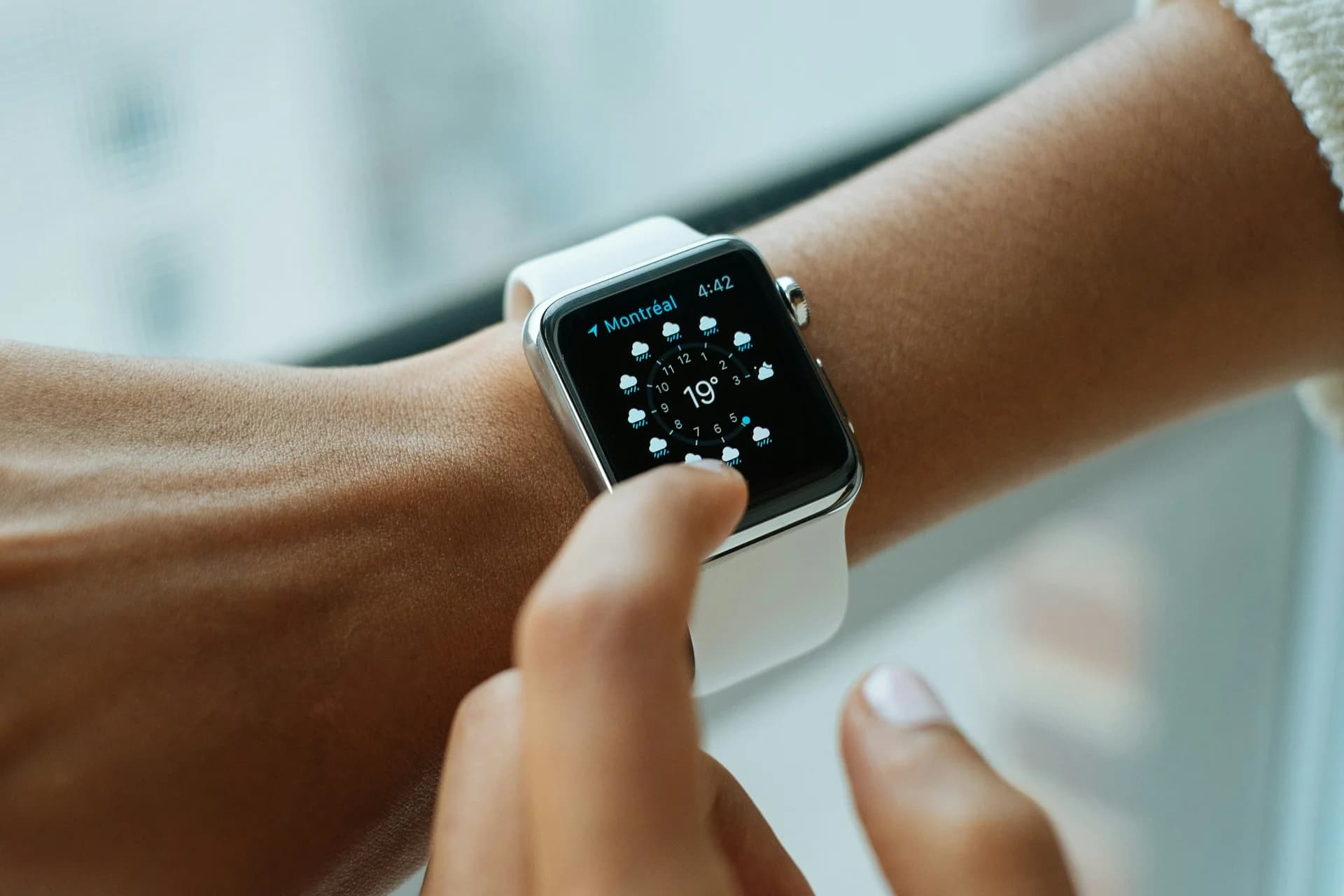
Three years of nights, runs and resting heart rate. A new watch still in its box, from a different brand. The question usually lands right as you are about to pair it: what happens to everything recorded so far? Some people put off switching for that reason alone. Others switch anyway, and realize months later that their charts now begin on the day of purchase.
The good news: your history belongs to you, legally and technically. The less good news: no brand will move it for you. This guide walks you through getting it out, where it can land, and what inevitably gets lost along the way.
Why your data doesn't follow you automatically
A smartwatch stores very little on the device itself. Your data lives in the manufacturer's account: Garmin Connect, Apple's Health app, Samsung Health, or the Google account that now hosts Fitbit. Switching watches within the same brand is painless. You sign back in, and everything is there.
The trouble starts when you switch ecosystems. Each brand stores measurements in its own format, computes its own scores, and has no commercial reason to make leaving easy. The Data Transfer Initiative, a nonprofit focused on portability, names the main obstacle plainly: cumbersome processes that force people to manually download and share their data.
There is also a lesser-known trap: automatic bridges between apps don't reach back in time. On Android, for instance, the Health Connect documentation states that by default, an app can only read data from up to 30 days before permission was first granted. Going further back requires a dedicated history permission. So connecting your new app to the old one won't bring back three years on its own.
What the law already guarantees
If you live in the European Union, the GDPR's right to data portability (Article 20) covers wearables. France's data protection authority, the CNIL, spells it out: activity data, such as data from a smartwatch, is among what you can retrieve in a structured, commonly used, machine-readable format. You can even ask for a direct transfer from one company to another, unless the company can show it is technically impossible.
One important limit: portability covers data you provided or generated, not what the service inferred about you. Your steps, heart rate and workouts qualify. A proprietary score computed from them is far less certain.
What changed on September 12, 2026
The EU Data Act adds a layer specific to connected devices. Since September 2025, users have been able to request the data their devices generate, free of charge and in a machine-readable format. And for products placed on the EU market after September 12, 2026, the regulation requires "access by design": data must be directly accessible to the user in an easy, secure and structured way, where technically feasible (Regulation (EU) 2023/2854, Article 3).
That won't make older watches more open overnight, and outside the EU these rules don't apply at all. But if you're shopping now, ease of export is a criterion worth weighing as seriously as battery life.
The method, in four steps
1. Export the full archive first
Before you unpair anything, request a complete export of your old account. Think of it as insurance for whatever comes next.
- Apple Health: in the Health app, tap your profile picture, then Export All Health Data. You get an archive in XML format.
- Garmin: the export is requested from your Garmin account's data management settings, as described in the help article "How Do I Export Data Out of Garmin Connect?" Preparing the archive isn't instant, so leave yourself some margin.
- Fitbit: since the move to Google accounts, exports go through Google. Mind the calendar: Google set May 19, 2026 as the end of access with a Fitbit account, and July 15, 2026 as the start of deletions for data that wasn't migrated.
The Fitbit case illustrates the golden rule: history is rarely lost at the moment you switch watches. It's lost the day an account closes and nobody downloaded it.
2. Decide where your history will live
Three options, from simplest to most durable:
- Your phone's health hub (Apple Health on iPhone, Health Connect on Android). Many brands write their measurements there. It's the smoothest path going forward, but as we saw, it won't recover the past by itself.
- A third-party import app that reads one brand's archive and writes it somewhere else. Handy for workouts, which are often stored in standard activity file formats.
- A brand-independent tool that brings several sources together. The payoff: your next watch won't be a move, just a new source plugged in.
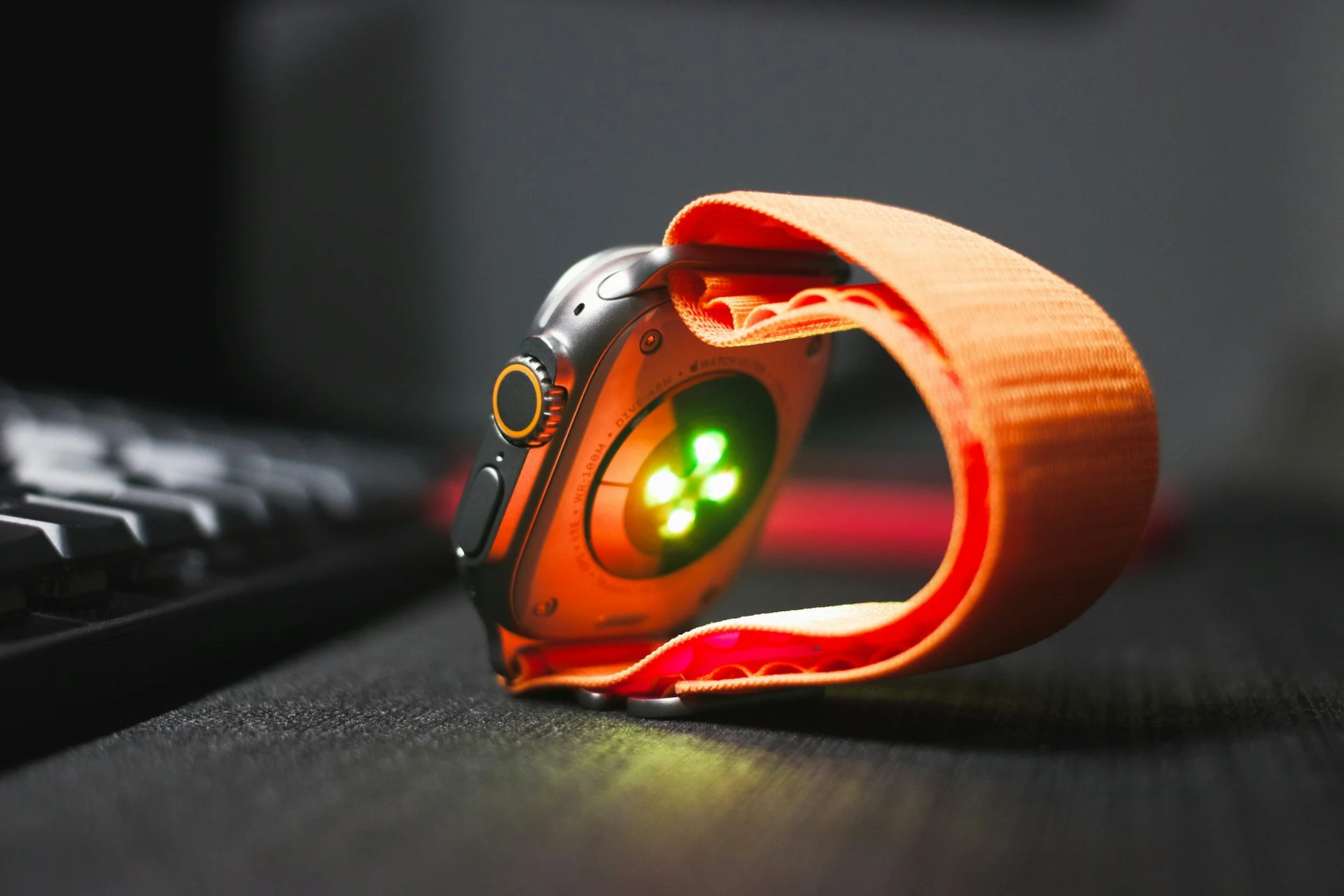
3. Sort what travels from what doesn't
Let's be honest: not everything transfers cleanly. Here's a realistic breakdown.
- Travels well: daily steps, workouts (duration, distance, GPS track), weight, raw heart rate.
- Travels poorly: sleep stages, which each algorithm slices differently; VO2 max and calorie estimates, computed with each manufacturer's own formulas.
- Doesn't travel: proprietary scores (recovery, energy, readiness). They only mean something inside the ecosystem that computes them.
That last category is often what makes people hesitate most. Yet a proprietary score is never a measurement. It's an interpretation. What matters over the long run is the raw data behind it. We saw the same gap with blood pressure: what a watch displays isn't always what it measures.
4. Plan an overlap period
If you can, wear both watches for a few days. Not to compare step for step, but to spot systematic differences: one brand counting noticeably more steps, one logging consistently longer sleep. Without that reference point, you might read a break in your charts as a lifestyle change when only the sensor changed.
Mistakes that cost you your history
- Deleting the old account too soon. Until the export is downloaded and opened, keep the account alive.
- Counting on sync for the past. Bridges mostly carry the present. The past travels through the archive.
- Ignoring migration deadlines. When a brand changes its infrastructure, as Fitbit did with Google, dates matter more than promises.
- Never checking the archive. A file you downloaded but never opened isn't a backup. Open it at least once to confirm your years are really in there.
What if you never had to move again?
The lesson of switching watches is that history locked into a single brand is fragile history. Separating it from the device changes the equation: the watch becomes one sensor among others, replaceable, and your years of data stay where you put them.
That's the logic we follow at Kantise: connecting sources, like the Withings integration, rather than tying you to a piece of hardware. If you're curious why we made that choice, our About page tells the story.
A well-kept history also matters beyond personal curiosity. It's what you can bring to your doctor to show a trend over several years instead of a single reading.
FAQ
Can my old brand refuse to give me my data?
In the EU, not for data you generated: the GDPR's right to portability covers it, and the French regulator CNIL explicitly lists smartwatch data. If a company refuses, you can file a complaint with your national data protection authority, with proof of your request.
Why does my new app only show the last month?
On Android, Health Connect limits reads by default to the 30 days before permission was first granted. An app must request a dedicated history permission to go further. Otherwise, importing the archive is the way to fill the gap.
Does the Data Act make my current watch more open?
Not directly. The "access by design" obligation targets products placed on the EU market after September 12, 2026. The right to obtain your device's data free of charge, however, has applied since September 2025.
Will my recovery or sleep scores carry over?
Rarely in a usable form. Each manufacturer computes those scores its own way. Keep the archive for reference, but rely on raw data (steps, heart rate, workouts) for continuity.
How long should I keep the old account after switching?
At least until the archive is downloaded, opened and stored somewhere safe. After that there's no rush: an inactive account costs nothing, while an account deleted too early can't be recovered.
Ready to discover tracking that no longer depends on your watch? Start by exporting your history today. It's the one step that can't wait.
Sources
- CNIL, Le droit à la portabilité : obtenir et réutiliser une copie de vos données (in French).
- Regulation (EU) 2023/2854 (Data Act), EUR-Lex.
- Alston & Bird (2025), The Data Act: 7 Things to Know About the Act & Connected Products.
- Android Developers, Health Connect: Read data.
- Google, How to move your Fitbit account to a Google Account.
- Apple, Share your data in Health on iPhone.
- Garmin, How Do I Export Data Out of Garmin Connect?
- Khazindar, Y. (2025), Data Portability for the Benefit of Society, Data Transfer Initiative.
Kantise is an observation tool, not a medical device. This article is not legal advice: for a dispute over access to your data, contact your data protection authority.