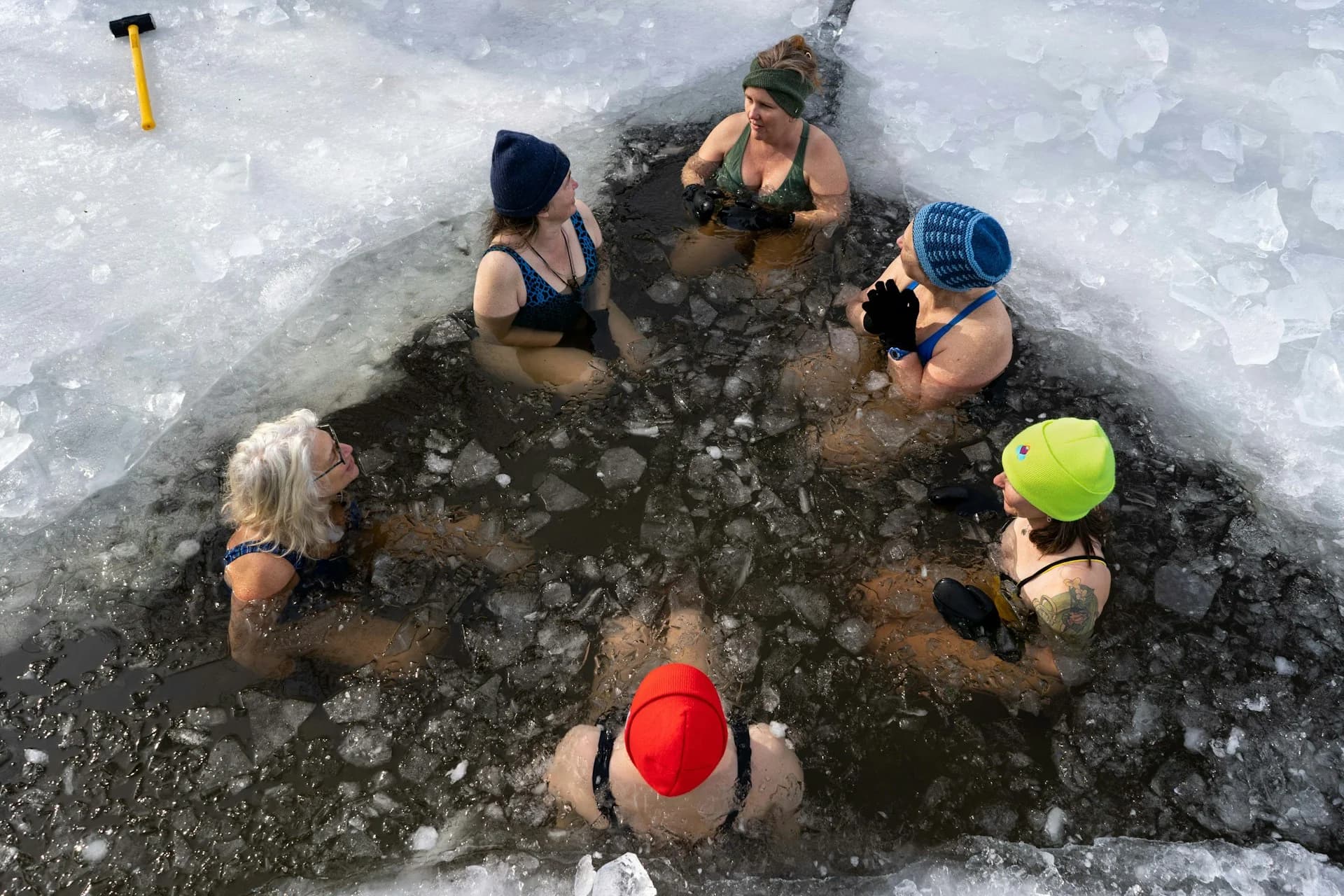
Sunrise ice baths filmed for social media, two-degree plunges in backyard tubs, whole-body cryo cabins offered as add-ons in commercial gyms: cold exposure has settled into the wellness routines of 2026. The promises are broad — muscle recovery, fat burning, immune boost, depression relief, longevity. The scientific literature is more nuanced. Recent meta-analyses confirm a few effects, scale others back, and identify a real trade-off for anyone who lifts weights.
An old practice, newly industrialized
Therapeutic cold is not new. Greeks, Romans and Scandinavians have alternated hot and cold baths for centuries. What changed in 2026 is the industry around it: connected home tubs, dedicated studios, integrated sensors that log skin temperature, heart rate and immersion time. The practice is now quantified, shared and sold.
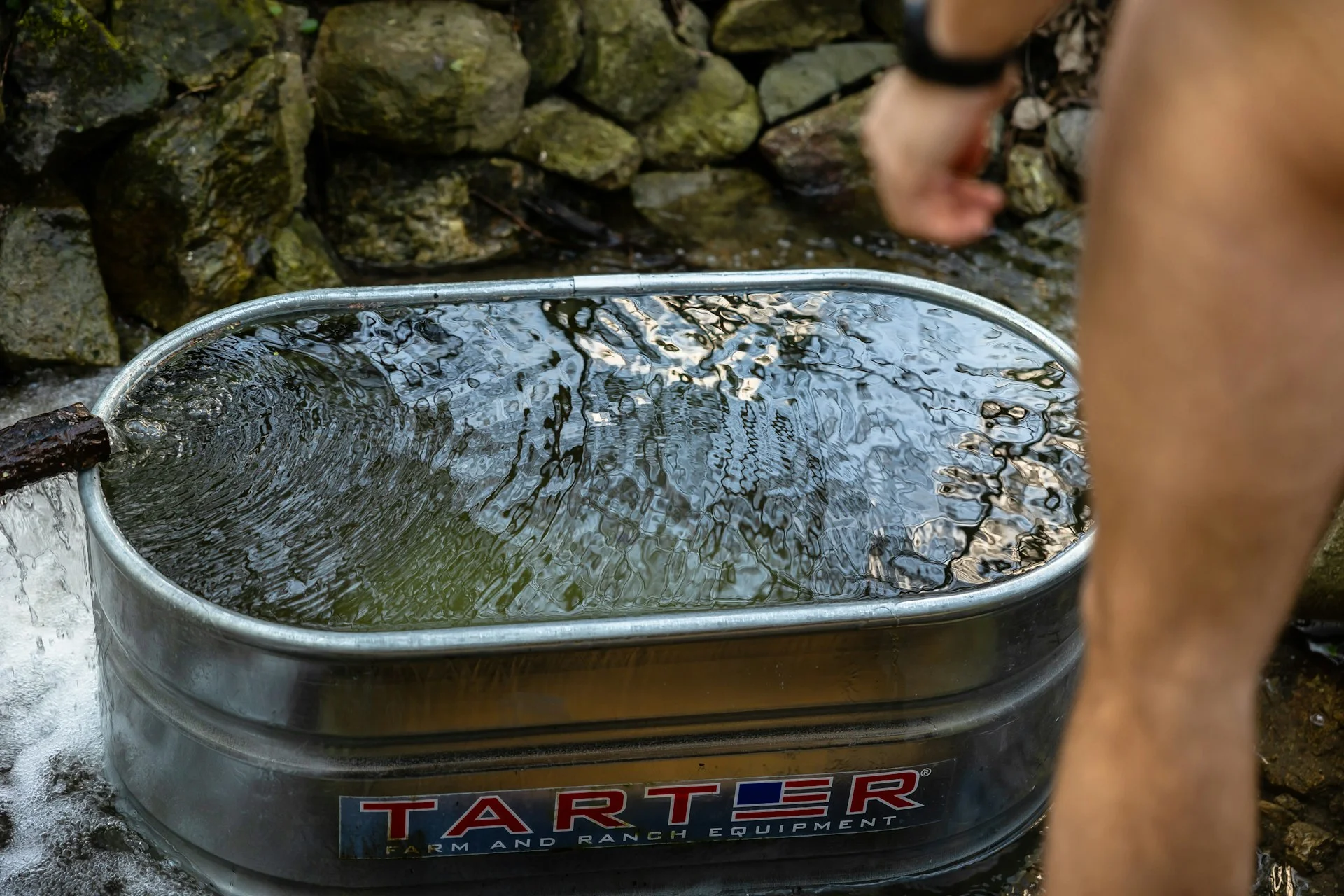
Three modalities dominate. Cold water immersion (CWI) means submerging part or all of the body in water at 5 to 15 °C, typically for 5 to 15 minutes. Whole-body cryotherapy exposes the user to air at -110 °C or colder inside a cabin for 2 to 4 minutes. Cold showers, the most accessible option, sit well below those two protocols in terms of intensity.
The wellness narrative is loud, but the question stays the same: what is actually documented, at what dose, and for whom? Meta-analyses published in 2024 and 2025 give a steadier read than viral videos.
Muscle recovery: real, but narrow
The best-documented benefit is on delayed onset muscle soreness (DOMS). A 2025 network meta-analysis published in Frontiers in Physiology pooled 55 randomized controlled trials and concluded that cold water immersion reduces perceived muscle soreness after intense effort, with the strongest effects when CWI is combined with other recovery modalities like contrast water immersion. The effect shows up within 24 to 72 hours post-exercise on markers like creatine kinase and on subjective soreness. Read the 2025 meta-analysis.
A systematic review published in PLOS One in January 2025 points the same way: CWI lowers exercise-induced inflammation roughly 12 hours after exercise and improves short-term recovery. The authors flag the wide variation in protocols (temperature, duration, frequency) and call for more standardized trials. Read the PLOS One meta-analysis.
Practically, after a tournament match, a race, or a particularly destructive training session, a few minutes in water around 10 to 12 °C can shorten the time back to comfort. This is not a placebo: biochemical markers and self-reported soreness move in the same direction.
The trade-off: muscle growth takes a hit
What gets less airtime in mainstream coverage is that this same CWI, applied systematically after resistance training, appears to blunt long-term adaptations. A study in the Journal of Applied Physiology showed that cold water immersion after a whole-body resistance session attenuates anabolic signaling and skeletal muscle fiber hypertrophy, while leaving maximal strength gains largely intact. Read the original study.
A 2024 meta-analysis in the European Journal of Sport Science, titled "Throwing cold water on muscle growth," confirms the trend. Pooled trials suggest that post-exercise CWI attenuates resistance-training-induced hypertrophy, likely through reduced muscle protein synthesis and blunted mTORC1 signaling. Read the 2024 meta-analysis.
The practical takeaway is clean. If your goal is hypertrophy, cold immediately after a lifting session is probably counterproductive. If your goal is recovery between two close-spaced competitions, it stays useful. Cold is not neutral: it interrupts some of the signals the body uses to rebuild stronger.
Mental health: a promising but fragile signal
Mood effects are the most-discussed slice of the file. A 2023 brain imaging study found that a short head-out immersion in water at around 20 °C improved positive affect and increased connectivity between several large-scale brain networks, including those involved in attentional control and emotional regulation. See the study.
At population level, the 2025 PLOS One meta-analysis reports that in one observational study, 59% of regular cold-exposure practitioners reported a reduction in depressive symptoms. The number is striking, but authors and outside commentators stress its methodological limits: no large randomized controlled trials, samples often built on healthy young men, strong self-selection among already-convinced users.
Plausible mechanisms exist: an acute spike in noradrenaline, lower cortisol reactivity in habitual users, possible anti-inflammatory effects on markers tied to depression. But the leap from "cold may help" to "cold treats depression" is premature. Cryotherapy is not a substitute for medical care.
Metabolism and brown fat: real activation, modest payoff
Another recurring claim concerns brown adipose tissue (BAT), a thermogenic tissue that burns glucose and fat to produce heat. A 2022 systematic review confirmed that acute cold exposure increases energy expenditure and activates brown fat, with improvements in insulin sensitivity and fatty acid utilization. Read the 2022 review.
Repeated exposure can also increase the volume of metabolically active brown fat and its oxidative capacity. That said, the daily energy expenditure bump in humans stays modest. Expecting meaningful weight loss from cold exposure alone is not realistic: the effect is real, but it does not replace physical activity or a structural calorie deficit.
Doses, protocols and red flags
Effective protocols across the literature converge:
- Athletic recovery: 5 to 15 minutes of immersion at 10–15 °C in the hours after effort, used selectively after very damaging sessions or congested competition schedules.
- General wellbeing and mood: shorter exposure (2 to 5 minutes) at 10–20 °C, several times per week, with active rewarming afterwards.
- Whole-body cryotherapy: 2 to 4 minutes maximum, supervised, with extremity protection.
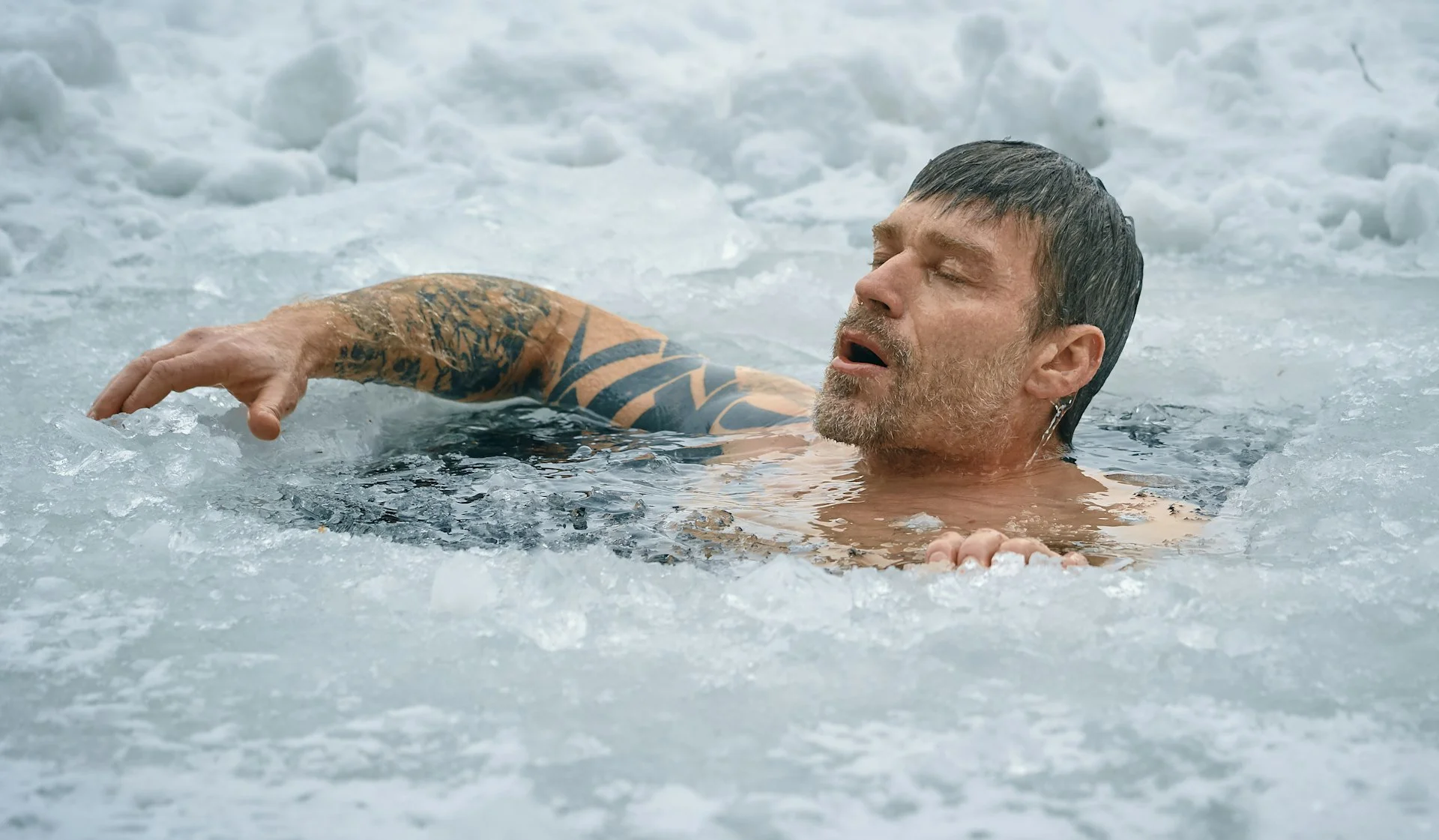
Contraindications are real. Cardiovascular disease, uncontrolled hypertension, Raynaud's syndrome, pregnancy, history of arrhythmia: a medical opinion is required before any regular practice. Sudden immersion triggers a "cold shock" response that quickly raises heart rate and blood pressure. Jumping straight into ice water, especially without supervision, can be dangerous.
Quantifying what works for you
Cold acts on several systems at once: muscle soreness, sleep, mood, resting heart rate, heart rate variability, perceived recovery. Rather than relying on broad promises, the most rigorous approach is to observe what actually changes for you over a few weeks of regular practice.
This is exactly what a quantified self approach makes possible: cross existing data — sleep, heart rate, perceived fatigue, athletic performance — with a new behavior like cold exposure. Kantise was built around that idea: observe correlations in your own data rather than blindly applying general recommendations. A 12 °C plunge three times a week may improve your deep sleep — or disrupt it depending on the time of day. Only personal tracking can tell.
This stance matches the philosophy behind the project: what works for an endurance athlete is not necessarily relevant for a sedentary developer or a runner peaking for a marathon. Meta-analyses give an average; your data tells you what applies to your case.
What the science endorses, and what it scales back
Honest summary in four points:
- Short-term recovery: documented and reproducible effect.
- Hypertrophy: likely negative effect when cold is applied right after lifting.
- Mood and stress: convergent positive signals but limited evidence quality.
- Metabolism: real brown fat activation, modest practical gain.
Cold is not a panacea, but it is not a myth either. It is a targeted tool, best used with a clear objective in mind. For more on recovery, you can also browse other deep-dives on the Kantise blog.
FAQ
Should I take a cold shower every morning?
No study shows that a daily cold shower outperforms a more targeted, longer immersion. The "wake-up" effect is real but mild compared with full immersion. If you enjoy the practice, it is safe for most healthy adults. If you can't stand it, you are not missing much.
Cold plunge or whole-body cryotherapy: which one?
Water conducts heat far more efficiently than air. For equal duration, cold water immersion cools superficial muscle tissue more than air-based cryotherapy, which makes it the most studied option for recovery. Whole-body cryotherapy is shorter and less uncomfortable, but its real thermal effect on deep tissue is still debated.
When should I avoid cold exposure after training?
If your main goal is muscle hypertrophy, several studies suggest avoiding cold immersion immediately after a resistance session, since it blunts anabolic signaling. Moving the cold session to another time of day, or saving it for high-density competition periods, is a reasonable compromise.
Does cold actually help me sleep better?
The effect on sleep varies. Cold exposure too close to bedtime can be stimulating and delay sleep onset for some, while soothing others. The practical answer is to test it over a defined period and watch the result with objective tracking (deep sleep, nighttime heart rate, morning recovery scores).
Can cold plunges replace depression treatment?
No. Current data suggest a positive effect on mood and stress, but without the methodological rigor needed to position cold as a therapy. Clinical recommendations still favor validated treatments. Cold can at best play a complementary role, after medical advice.
Bottom line
Cold plunges and cryotherapy offer real but narrow and conditional benefits. Short-term muscle recovery: yes. Magic fat burner or universal antidepressant: no. As often in health, the right protocol is not the most extreme one — it is the one you can sustain in a safe context, and that you evaluate against your own data.
Kantise is an observation tool, not a medical device. If you have cardiovascular conditions or any doubt, consult a healthcare professional before adopting a regular cold exposure practice.