Effective days have a context
Start time, sleep quality, location, mental load, task type, and breaks: your best study days do not happen by accident.
When classes, exams, projects, dissertations, and deadlines pile up, the issue is not always motivation. The real problem is working hard without understanding why some study days feel clear, focused, and useful while others become heavy, scattered, and barely productive.
Kantise helps you analyze your study days with manual trackers, notes, tags, photos, weather, dashboards, correlations, recurring challenges, and weekly planning. The goal is not to make you work more, but to build a study routine that is more sustainable, easier to read, and less mentally expensive.
Designed for students who want a study method that is clearer, steadier, and easier to maintain.
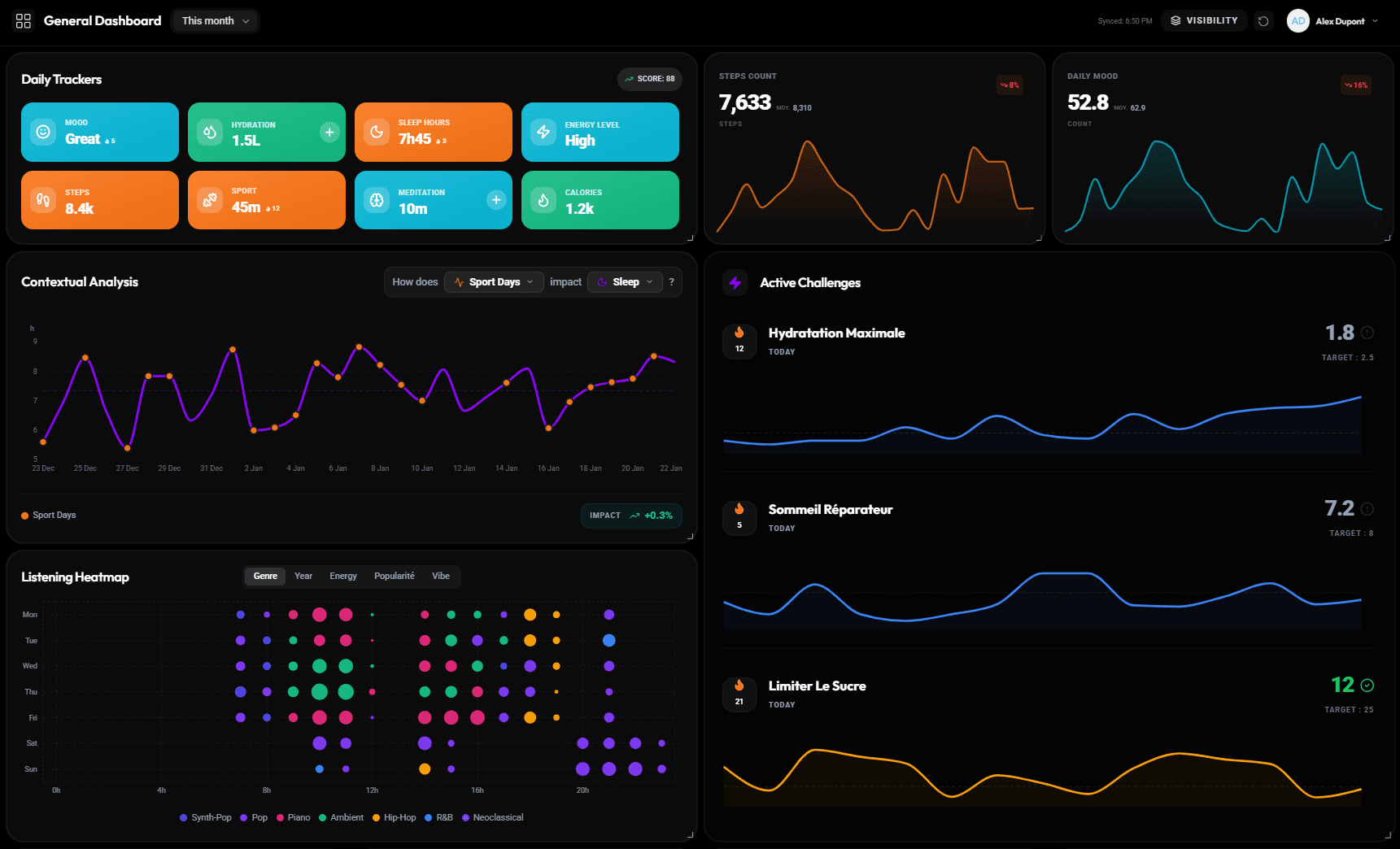
Effective days have a context
Start time, sleep quality, location, mental load, task type, and breaks: your best study days do not happen by accident.
Mental fatigue can be read
Instead of just enduring dips in concentration, you can see what weakens your days and what genuinely supports your attention.
Consistency becomes more realistic
Once patterns are visible, you can shape a steadier study routine without locking yourself into unrealistic discipline.
Instead of judging your day only by the number of hours spent in front of your notes, Kantise helps you read what comes before a productive session: energy level, focus, mental load, task type, quality of breaks, supporting routines, and outside context. You finally understand why studying effectively can feel difficult even when you are making a real effort.
An average day is not always a discipline issue. It may come from bad timing, cognitive overload, or a method that does not fit the task in front of you.
You spot the conditions that empty your attention too early: fragmented days, poor time slots, back-to-back heavy tasks, or too little recovery.
Your good days stop feeling accidental. You can compare them, see what they share, and recreate them more often.
Kantise does not sell more work. The platform helps you track just enough signals to reduce uncertainty, spot the patterns that support your attention, and organize your study days more intelligently over time.
Feature
What it changes
Feature
Manual trackers, notes, tags, and photos
What it changes
You capture the real context of a study session instead of relying on a vague feeling at the end of the day.
Feature
Study, focus, and energy dashboards
What it changes
You turn your impressions into readable markers that separate strong, fragile, and overly costly days.
Feature
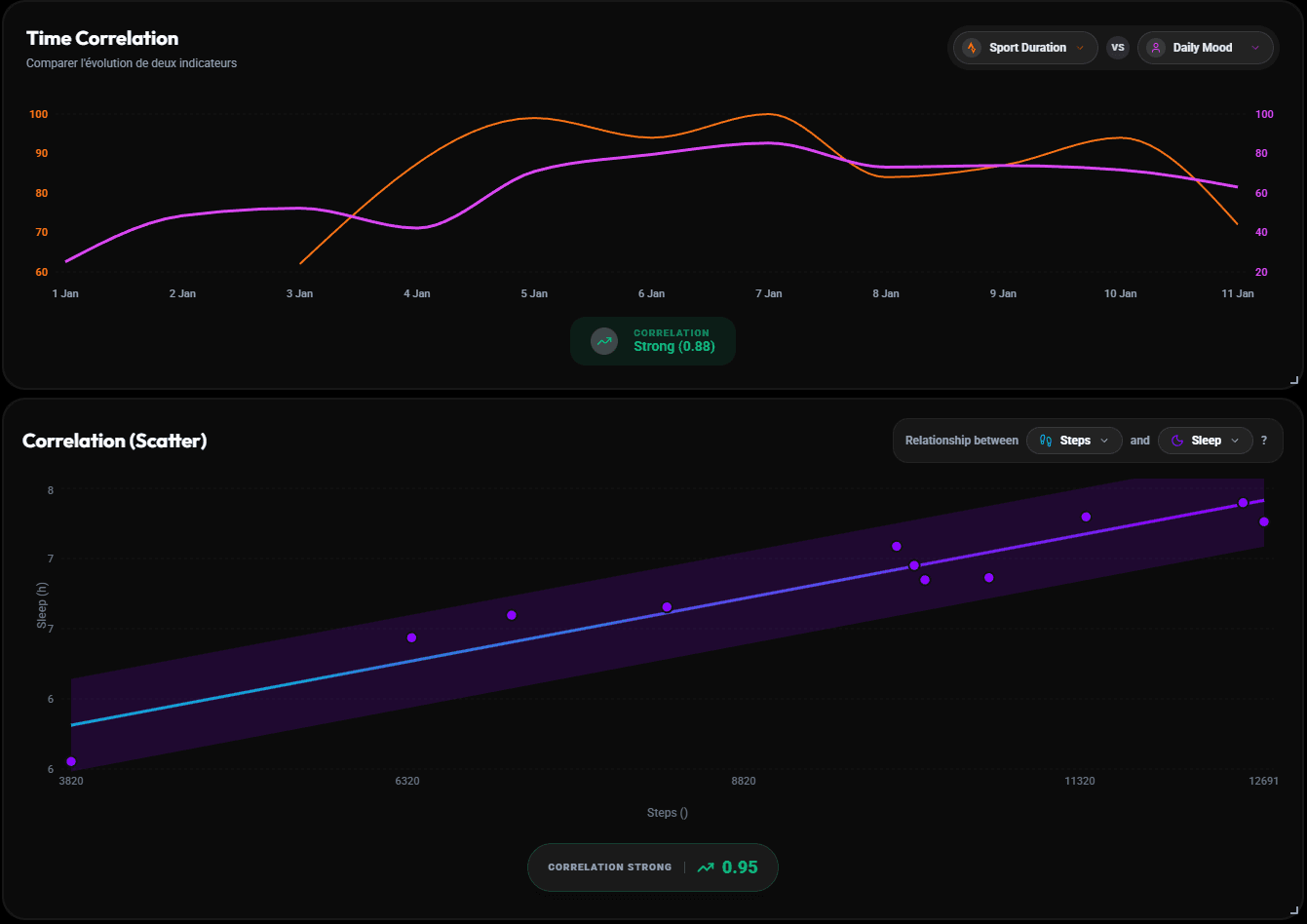
Correlations between sleep, mood, routines, and study quality
What it changes
You see faster what supports a good study day and what harms your concentration.
Feature
Weekly planning and recurring challenges
What it changes
You build a study routine that lasts instead of restarting from zero every week.
Each day can start with a light but useful input. In under a minute, you log the variables that matter most for understanding how you study.
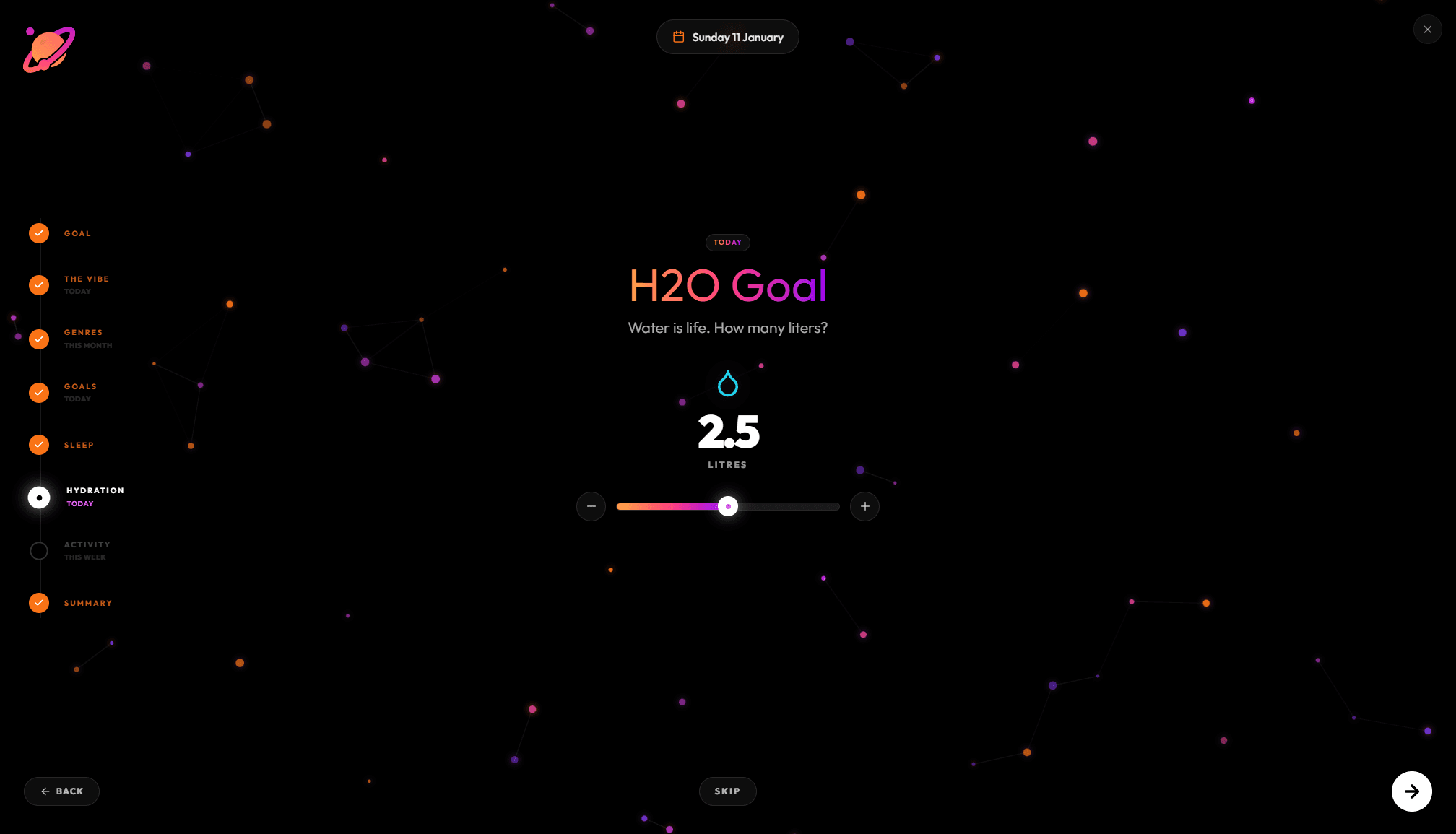
Instead of piling up data, you get a direct reading of your week: smooth days, fragile days, and the moments when mental fatigue starts lowering the quality of your work.
Kantise connects what you experience to what you produce. You can see whether your routine truly supports your studies or only seems to work because you keep forcing through it.
The goal is not to turn you into a learning machine. The goal is to protect a stable base, absorb unpredictable weeks, and build a rhythm that respects real cycles of attention, recovery, and mental load.
You set a realistic frame for the week, then use recurring challenges to support the habits that make your days stronger: sleep, breaks, start time, screen cut-off, or an active-learning block. Planning becomes an adjustment tool, not another source of pressure.
Prepare a readable week even when classes, assignments, projects, or exams keep changing your rhythm.
Create recurring challenges that reinforce the conditions behind your best study days.
Reduce mental fatigue by steering your routine with gradual adjustments rather than guilt.
Signal
Three weeks of check-ins, perceived energy, and study blocks
Reading
Long evening sessions stay weak even when motivation is high. The day’s cognitive fatigue lowers the quality of the work.
Adjustment
Keep evenings for lighter tasks and move demanding blocks to the slots with better mental clarity.
Signal
Weekly planning crossed with sleep, mood, and work environment
Reading
Some tasks require deep calm, while others work better in shorter or more flexible time slots.
Adjustment
Match each work format to the context that suits it instead of using the same method everywhere.
Signal
Recurring challenges around breaks, starting, and recovery
Reading
A good study routine relies more on a few stable conditions than on heroic days you cannot repeat.
Adjustment
Protect a few non-negotiable anchors and lighten the week as soon as overload signals return.
Build a way of studying that is clearer, steadier, and less exhausting.
Kantise helps you understand your study days, manage mental fatigue more effectively, and build a routine that actually holds.
Build my study cockpitYou do not need more pressure. You need better markers.