
From July 6 to August 23, 2026, Paris is hosting the Esports World Cup, the largest competitive gaming event ever staged, with a prize pool of 75 million dollars. On stage, players fire off hundreds of actions per minute with surgical precision. What the crowd sees is lightning reflexes. What it does not see is the physical price paid by the hands, wrists, and backs of these athletes of the click. Behind the image of a relaxed pastime lies a reality that sports medicine is only beginning to document: intensive gaming is a genuine risk activity for the musculoskeletal system.
Gaming is a sport for the hands
An elite player can produce several hundred actions per minute — clicks, keystrokes, micro-movements of the wrist — repeated for hours, day after day. The demand resembles that of a musician or an assembly-line worker: little force, but extreme repetition, often in fixed postures. The human body tolerates this kind of load poorly. Tendons, the sheaths around them, and the forearm muscles become inflamed when recovery cannot keep up with the pace.
The problem, then, is not the intensity of any single movement but the accumulation. And the training volumes among competitors are staggering: surveys regularly find 5 to 10 hours of practice per day in the run-up to tournaments.
What the surveys reveal
The first serious snapshot of the phenomenon dates from 2019. A U.S. team led by Joanne DiFrancisco-Donoghue surveyed 65 collegiate players from eight universities and published the results in BMJ Open Sport & Exercise Medicine. The picture is telling: 56% of players complained of eye fatigue, 42% of neck or back pain, 36% of wrist pain, and 32% of hand pain. These complaints, the authors noted, closely mirror those of sedentary office workers.
More recent work confirms and refines the finding. In 2022, a study published in the journal Cureus followed 153 collegiate varsity players: 26.8% reported at least one injury, and among all the injuries recorded, the wrist was by far the most common, accounting for a third of cases. Notably, players who trained more than five hours a day were markedly more affected than the rest.
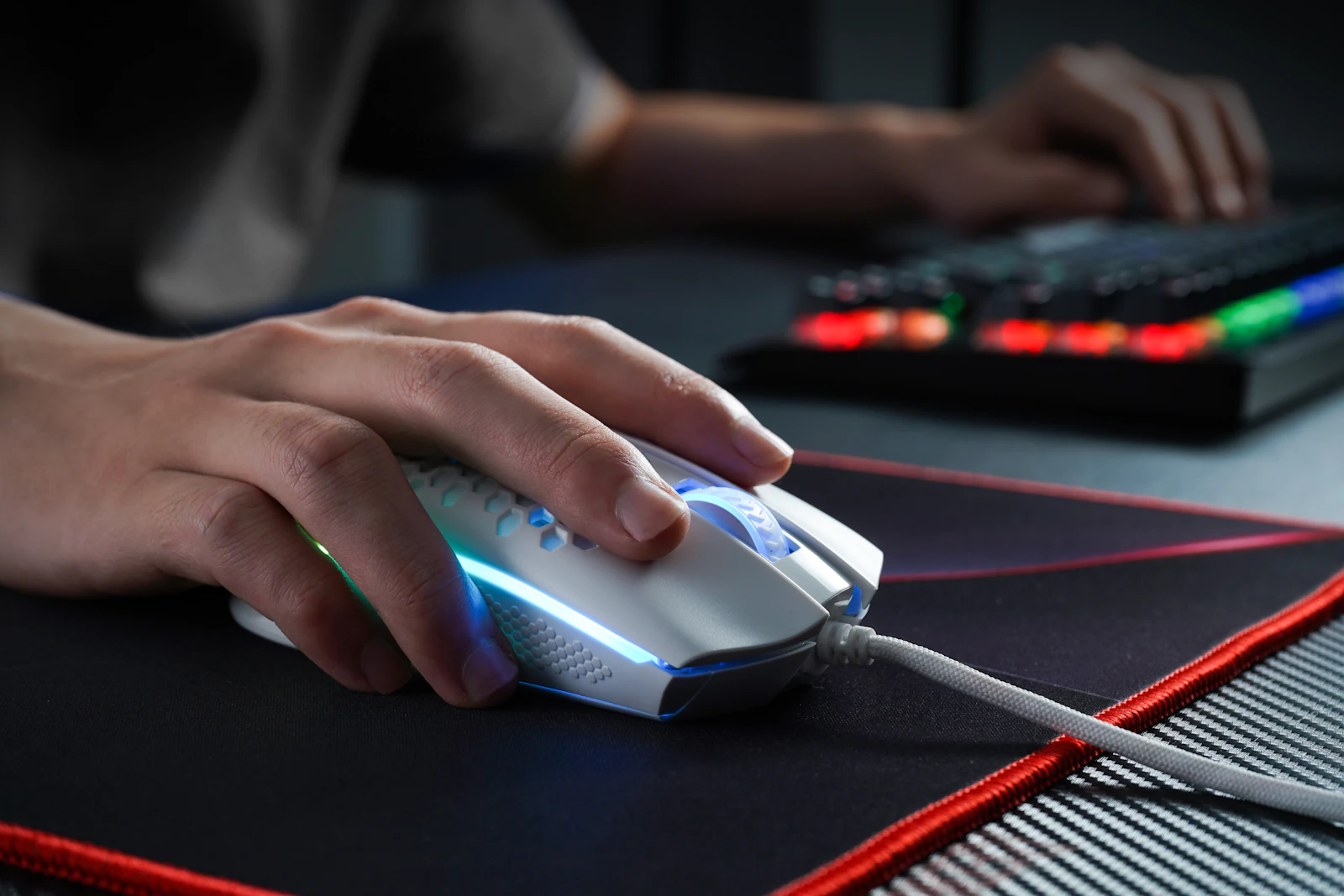
The freshest data comes from Brazil. Published in March 2026 in Scientific Reports, a cross-sectional study of 365 players measured an injury prevalence of nearly 31% over the previous twelve months. The upper limb clearly dominated: wrist (28%), lower back (20%), hands (18%), and fingers (16%). Above all, the researchers identified a clear risk factor: each additional day of practice per week raised the odds of a wrist injury by roughly 18%. In other words, it is the regularity of the load, more than talent, that wears the joint down.
A largely undertreated problem
The most worrying part is not how common the pain is, but how little of it gets treated. In the 2019 study, only 2% of players in pain had consulted a health professional. Most simply accepted the discomfort as an occupational given. Another red flag: 40% of players reported doing no physical activity at all, and 15% sat for more than three hours straight without standing up. A lifestyle that compounds muscular strain rather than relieving it.
The "gamer's carpal tunnel": what science confirms, and what it qualifies
As soon as keyboard-related hand pain comes up, one term surfaces: carpal tunnel syndrome, the compression of the median nerve at the wrist. The belief that the mouse and keyboard "give you carpal tunnel" is deeply rooted. Yet it deserves qualification.
A systematic review published in 2008 in BMC Musculoskeletal Disorders examined the eight available studies on the link between computer work and carpal tunnel syndrome. Its conclusion was cautious: the epidemiological evidence is insufficient to state that mouse and keyboard use causes this specific syndrome. The studies lacked statistical power, rigor in measuring exposure, and consistency with one another.
This does not mean the pain is imaginary — it is very real and very common. It simply invites us to distinguish between diagnoses. Much of the discomfort blamed on "carpal tunnel" is in fact tendinopathy, inflammation of the tendon sheaths (such as De Quervain's tenosynovitis at the base of the thumb), or plain muscular overuse. The distinction matters, because these conditions are neither prevented nor treated the same way as a true nerve problem.
Developers: same keyboards, same risks
Professional players are not alone. Anyone whose work depends on the mouse and keyboard shares the same exposure: developers, designers, video editors, writers. The authors of the 2019 study said so themselves — esports players' complaints resemble those of office employees. A developer coding eight hours a day racks up a typing volume comparable to a competitor's, without the warm-ups or the support that esports teams increasingly enjoy.
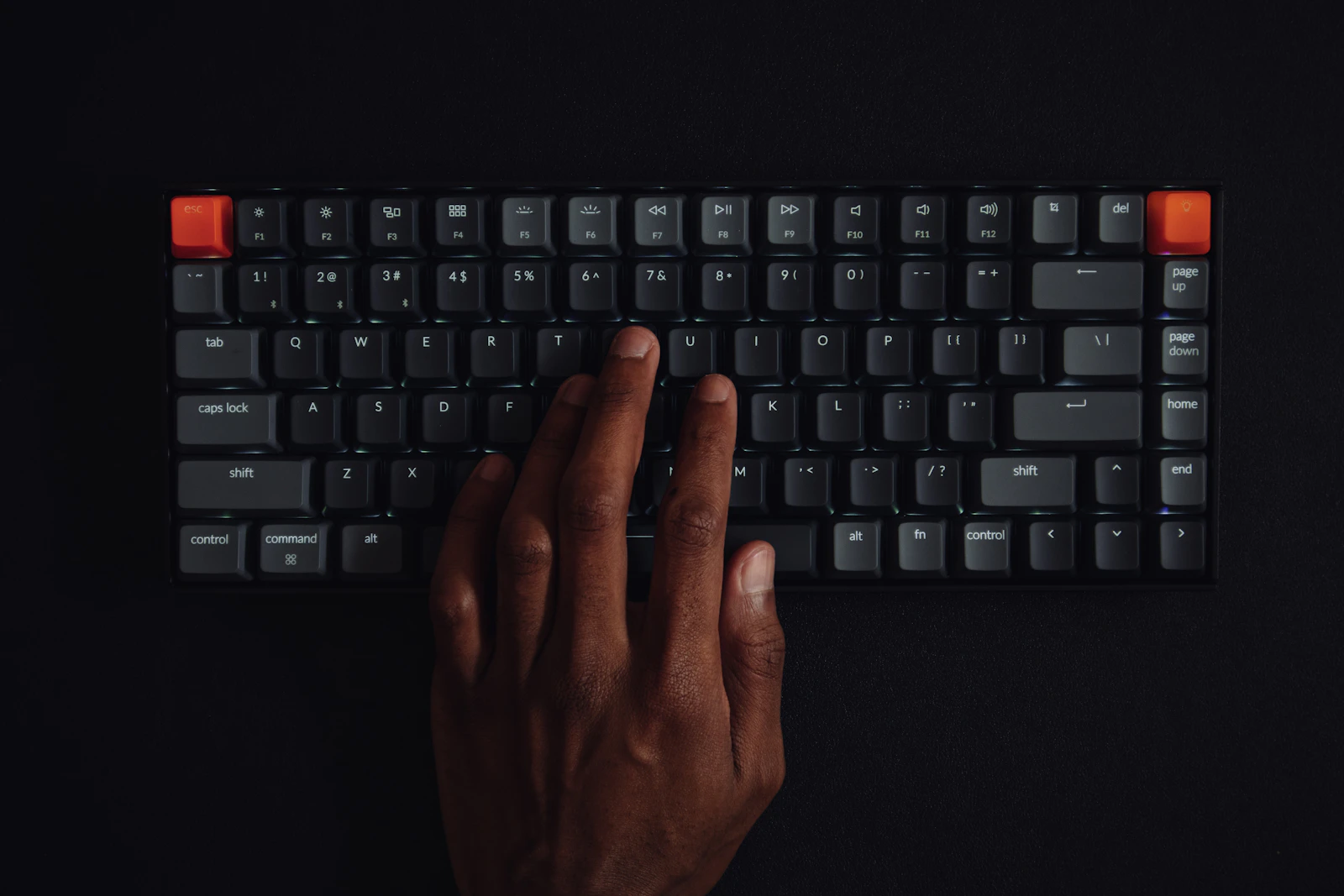
The good news is that the risk is not inevitable. The factors the research identifies — high hourly volume, lack of breaks, sedentary behavior, absence of physical activity — are all modifiable. Esports medicine, still a young field, is in fact organizing around these levers rather than around miracle ergonomic gadgets.
Prevention: move, warm up, break it up
In light of these studies, a few principles emerge — simple and applicable to gamer and developer alike:
- Break up screen time. Risk rises with uninterrupted duration. Short, regular breaks in which you stand and relax your hands interrupt the buildup of strain.
- Warm up the hands and wrists before a long session, the way an athlete prepares their joints. Gentle mobilizations and light forearm stretches are enough.
- Stay physically active. That 40% of players do no sport at all is no small thing: general physical activity supports circulation, posture, and the tissues' tolerance to effort.
- Mind your posture and setup. A neutral wrist, relaxed shoulders, and a screen at the right height reduce the load — even if no equipment can replace movement.
- Don't dismiss pain. Persistent discomfort deserves a medical opinion, all the more because it is easy to ignore when passion takes over.
One difficulty remains: knowing when the body starts to give. Wrist pain rarely appears overnight; it settles in after weeks of overly long sessions, often paired with poor sleep or a drop in activity. This is where tracking your own habits earns its keep. Cross-referencing your gaming hours — which platforms like Steam already record — with your recovery and wellbeing signals helps flag periods of overload before the pain sets in. That is exactly the logic behind Kantise: linking your various personal data streams to turn scattered numbers into useful warning signs. You'll find more science-based analyses on our blog, and a full overview of the approach on the homepage.
Competitive gaming is gaining legitimacy, and with it the realization that playing at a high level engages a body, not just a brain. The wrists of the champions in Paris deserve the same attention as a footballer's knees. For the weekend player and the developer alike, the lesson is the same: hand performance can be protected, and it starts with simple breaks.
FAQ
Can gaming really cause injuries?
Intensive gaming is associated with overuse pain, especially in the wrist and hand. A 2026 Brazilian study of 365 players found nearly 31% reporting an injury over one year, with the wrist the most affected area. These are repetitive-strain problems, not accidents.
Does gaming give you carpal tunnel syndrome?
Not as clearly as people assume. A 2008 systematic review concluded that the evidence was insufficient to state that mouse and keyboard use causes this specific syndrome. Much of the pain blamed on carpal tunnel is actually tendinitis or muscular overuse.
Which body parts are most at risk?
The upper limb above all: wrist, hand, and fingers. Next come the neck and back, tied to prolonged sitting, along with eye fatigue. Surveys find these same regions in gamers and in office workers.
Are developers affected like gamers?
Yes. Any activity built on the mouse and keyboard shares the same exposure to repeated micro-movements. Researchers note that esports players' complaints resemble those of office employees. A developer coding for long hours accumulates a comparable typing volume.
How can you lower the risk of pain?
The identified risk factors are modifiable: break up screen time with regular pauses, warm up the wrists, stay physically active, and mind your posture. No equipment replaces movement. And pain that persists should lead you to see a professional rather than ignore it.