Effort, mood, and perceived fatigue trackers
RPE, heavy legs, motivation, sleep quality, mental load: you finally read the real state in which each run happened.
The ideal plan assumes clean sleep, a stable calendar, and no surprises. Mehdi’s real life usually means work overflow, accumulating fatigue, mediocre weather, and missed sessions without knowing whether the issue was the plan, his energy, or the context.
Kantise is not selling a pro-athlete mindset. It connects your sessions, perceived effort, weather, routines, and weekly schedule so you can improve in a lucid, durable way that fits a real life.
Built for durable progress, not extreme performance.
Weak signal
The weeks that hold together are not the most ambitious ones, but the ones where effort matches your real energy.
Useful context
Wind, short sleep, and a heavy agenda do not explain everything, but they often explain why a session falls apart.
Clear decision
Adjusting a session is not cheating. It protects the consistency that actually drives improvement.
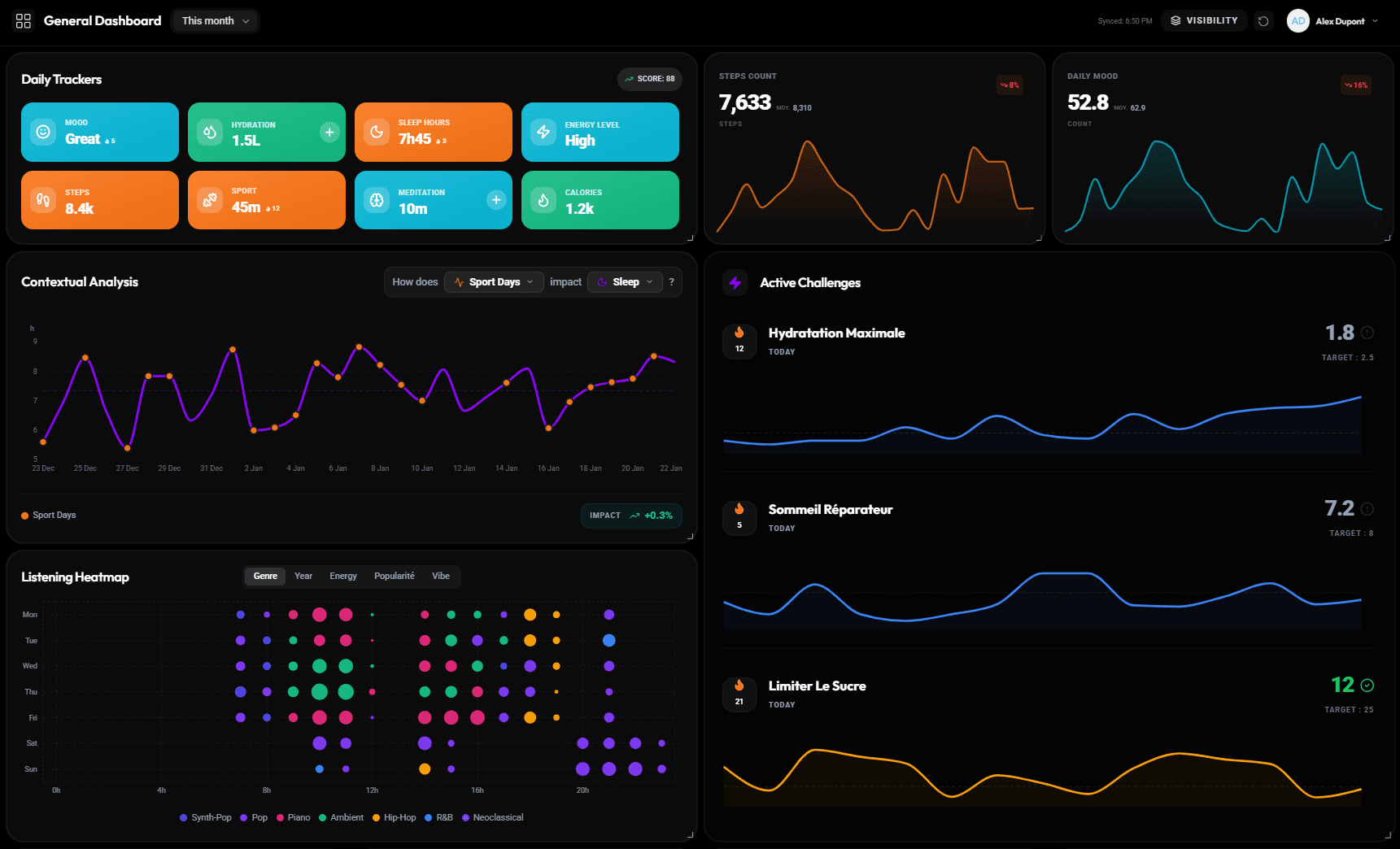
Kantise is not just for logging sessions. You see the conditions that make your weeks solid, the ones that make them drift, and the weak signals that announce a drop-off before it happens.
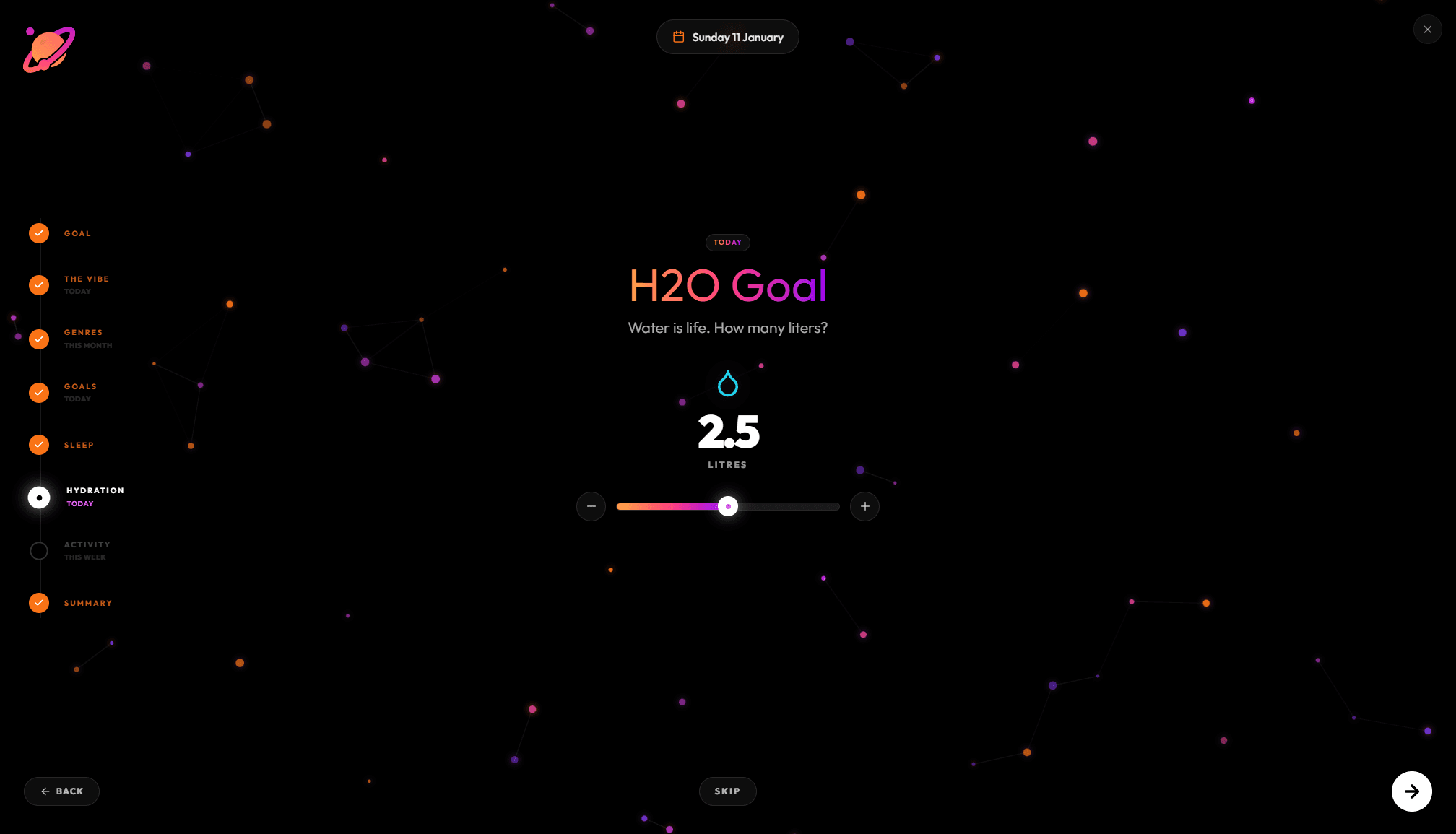
RPE, heavy legs, motivation, sleep quality, mental load: you finally read the real state in which each run happened.
Temperature, wind, rain, session spacing, and heavier workdays: Kantise surfaces the contexts that support or weaken your runs.
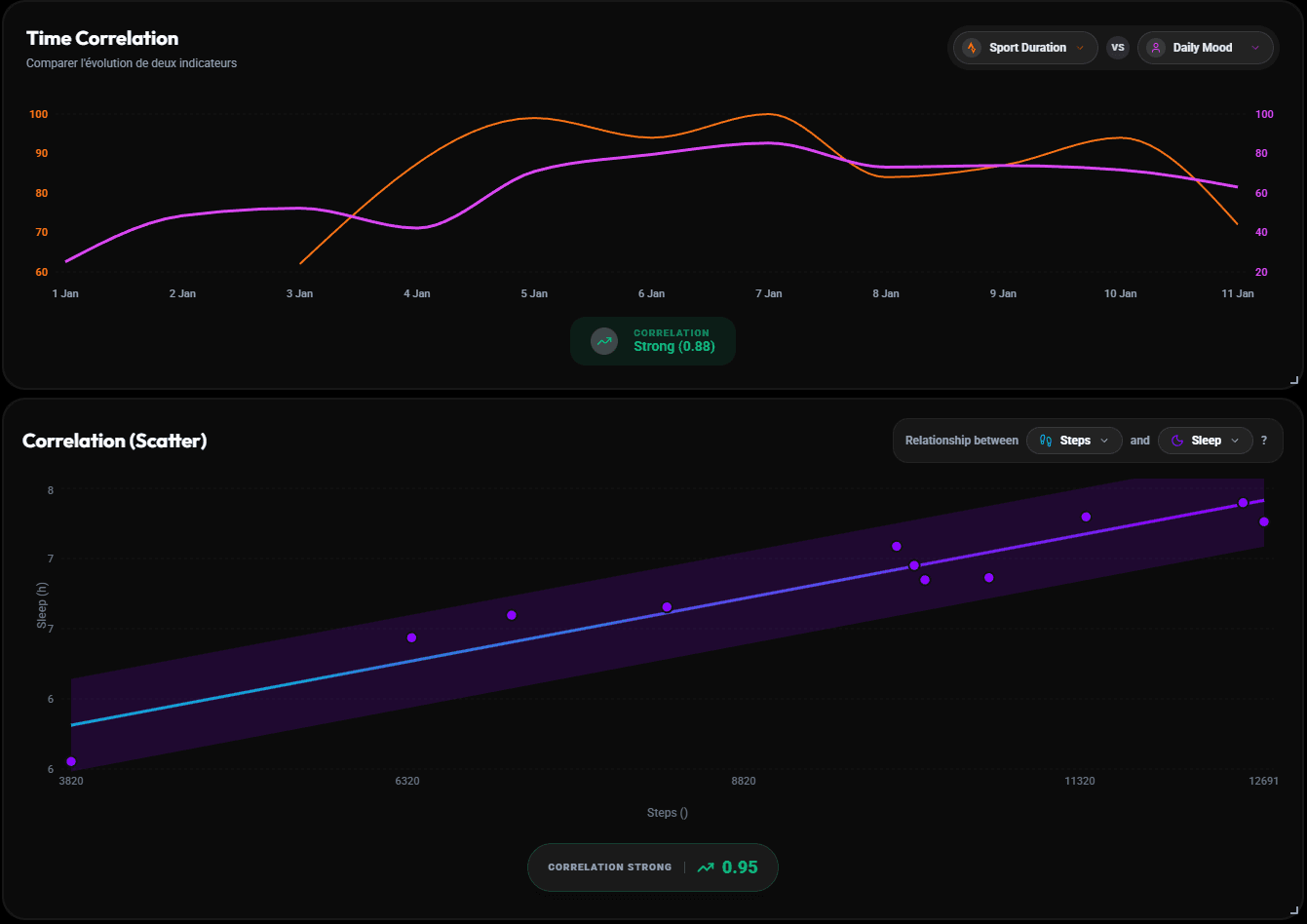
Once you see the link between sleep, weather, workload, perceived effort, and consistency, you stop judging your motivation. You start making better decisions week after week.
You notice
Monday night: 6 hours of sleep, rain, packed workday. The tempo run gets skipped again.
Kantise connects
Your quality sessions placed at the start of the week fail mostly on already loaded days, not because of weak willpower.
You adjust
You move quality to Wednesday and keep Monday for a flexible easy run or intentional rest.
You notice
Two hard runs too close together plus strong wind means heavy sensations and unstable pace.
Kantise connects
The issue is not only the weather. It is the combination of external load and residual fatigue.
You adjust
You keep one truly demanding workout this week and turn the other into an easy run that protects consistency.
You notice
Three highly motivated weeks, then one blank week with the feeling you lost everything.
Kantise connects
Your recurring pattern is not low motivation. It is over-motivation followed by disengagement.
You adjust
You define a weekly minimum, a load ceiling, and one non-negotiable day off to stabilize consistency.
Mehdi wanted to hold four weekly sessions. In reality, his interval run kept landing after a heavy workday and his long run arrived with too much residual fatigue.
Situation
Tuesday evenings kept breaking down, then guilt pushed him to overcompensate on Thursday. Result: three weeks of momentum, then one blank week.
Adjustment
Kantise surfaced that Thursday, after better sleep, produced much better sensations. Tuesday became a flexible slot with an easy run or deliberate rest.
Result
Over eight weeks, the build kept 86% of planned volume, the long run stabilized again, and perceived fatigue no longer exploded before the final stretch.
Real progress comes less from perfect weeks than from training blocks you can repeat. Kantise helps you install simple, visible, actionable anchors so you can move forward without exhausting yourself.
Turn your goal into a realistic rhythm: two minimum runs, a mobility routine, protected sleep, or a recovery reminder.
See your week as it really exists, with fixed and flexible sessions plus useful trends to adjust before overload builds up.
Each block supports a smarter decision: understand the conditions behind your progress, avoid over-motivation followed by disengagement, and adjust without losing the goal.
Feature
What it changes
Feature
Quick effort, mood, and fatigue check-ins
What it changes
You separate real overload from one uncomfortable session and stop reading every setback as a mindset problem.
Feature
Correlations between weather, consistency, and weekly rhythm
What it changes
You see which contexts support your best runs and which ones require a smart adjustment before the week breaks.
Feature
Recurring challenges and a weekly minimum viable plan
What it changes
You protect consistency in busy weeks instead of alternating between a perfect plan and total dropout.
Feature
Visual planning and progress dashboards
What it changes
You manage a build that fits a real life instead of chasing a pro-athlete logic you cannot sustain.
Short answers for the closest search intents: improving for a 10K or half marathon while dealing with real life, fatigue, and inconsistent weeks.
Connect your sessions, fatigue, weather, and weekly rhythm so you can improve without following a plan designed for someone else.
Build my training systemFor amateur runners who want to last, understand, and adjust intelligently.