
The mid-afternoon energy slump is one of the most universal experiences in modern life. Around 1–3 p.m., concentration dips, eyelids grow heavy, and many people reach for another coffee. Yet the physiology behind this daytime drowsiness — and its most effective remedy — is far better documented than most people realize. The short nap, often dismissed as a luxury or a weakness, is in fact one of the most scientifically robust cognitive recovery strategies available.
Why the brain slows down in the early afternoon
Two distinct biological mechanisms converge in the early afternoon to produce this vigilance trough.
The first is adenosine pressure, also known as homeostatic sleep pressure. Adenosine is a metabolite that accumulates in the brain during every waking hour. The higher its concentration rises, the more intense the drowsiness becomes. Caffeine works precisely by blocking the receptors to which adenosine binds — it suppresses the sleepiness signal without eliminating it. Once caffeine wears off, adenosine reclaims its receptors, and fatigue returns.
The second mechanism is the circadian oscillation. The internal biological clock generates not one but two periods of increased sleepiness per 24-hour cycle: a major peak at night and a minor peak in the early afternoon. This post-lunch dip, documented in chronobiology research, is independent of eating — it occurs even during fasting. Its typical window falls between 1 p.m. and 3 p.m.
The convergence of these two biological pressures explains why this window is physiologically suited for napping. It is not an organizational weakness; it is normal human physiology.
What happens in the brain during a short nap
When you fall asleep, your brain progresses through successive stages. The first few minutes correspond to the light sleep stages (N1 then N2): heart rate slows, body temperature drops slightly, and brain electrical activity changes. It is during these stages that some adenosine pressure dissipates and certain short-term memory consolidations occur.
After approximately 25 to 30 minutes of sleep, the brain enters deep sleep (stage N3). If you wake from this stage, you risk experiencing sleep inertia: a temporary disorientation and cognitive slowness that can last anywhere from 15 to 60 minutes depending on the individual. This phenomenon is well documented in sleep research and represents the main risk of napping too long.
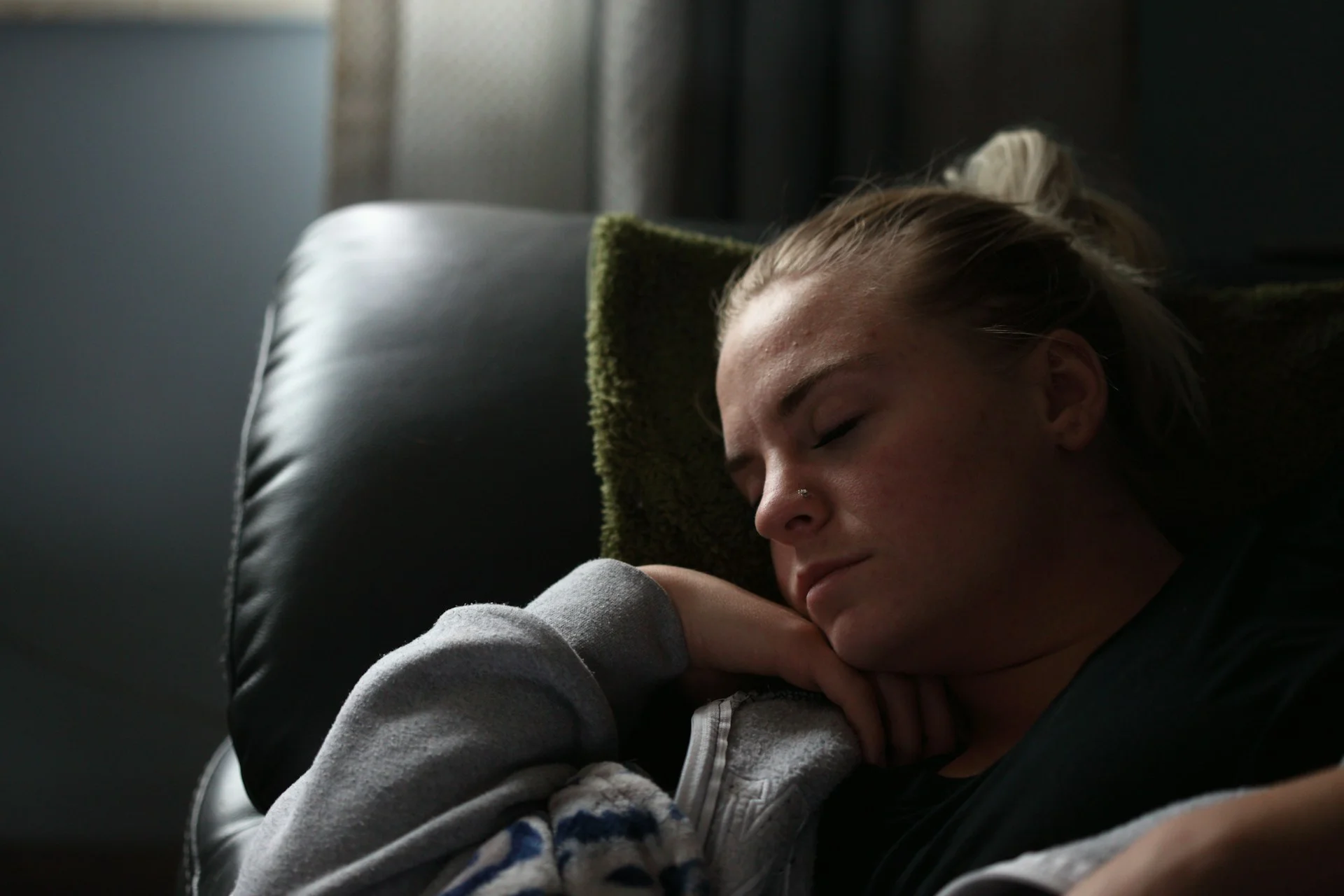
A short nap of 10 to 25 minutes keeps the brain in N1 and N2 stages, enabling a clean wake-up without inertia. This is the duration that maximizes the benefit-to-practicality ratio for most daily and professional contexts.
The scientific evidence: from NASA to recent meta-analyses
The most frequently cited demonstration in the literature comes from a series of studies conducted by NASA in the 1990s. Mark Rosekind and colleagues studied commercial airline pilots on long-haul transpacific flights. Pilots allowed a planned 40-minute rest period — averaging 25.8 minutes of actual sleep — showed a 54% increase in alertness measured by EEG and a 34% improvement in performance on psychomotor vigilance tests, compared to pilots with no rest. These results, published in the Journal of Sleep Research, remain one of the foundational references in the field.
More recently, a systematic review and meta-analysis published in 2021 consolidated these findings across multiple controlled trials: short daytime naps significantly improve cognitive performance, particularly vigilance, working memory, and information processing speed. The observed benefits lasted an average of approximately 2 hours after waking.
A 2023 study published in the journal Sleep (Oxford Academic) specified the effects of different nap durations on memory encoding, vigilance, and processing speed. Among the durations tested, the 30-minute nap emerged as offering the best trade-off between cognitive benefit and sleep inertia risk.
Durations and their effect profiles
Nap duration largely determines its effects on cognition and recovery:
- 5–10 minutes: rapid improvement in alertness and mood. Little or no memory consolidation. Nearly instant wake-up without inertia. Ideal when time is limited.
- 20–25 minutes: the classic power nap. Improves alertness, concentration, and motor performance. Keeps the brain in light sleep and enables a clean wake-up. The reference duration in professional performance studies.
- 30 minutes: best documented benefit for memory encoding, with a slightly elevated risk of mild sleep inertia upon waking.
- 60–90 minutes: includes deep sleep and potentially REM sleep. Maximum cognitive benefit for memory and creativity, but often a difficult wake-up and potential disruption to nighttime sleep if taken late.
For professional contexts or individuals sensitive to sleep inertia, the 10–25-minute window is generally recommended. The key is setting an alarm — the certainty of not oversleeping reduces anxiety and makes it easier to fall asleep.
The caffeine nap: a concrete biological mechanism
A lesser-known but well-studied technique combines coffee and a nap: the caffeine nap. The principle is based on the pharmacokinetics of caffeine.
When ingested orally, caffeine takes between 15 and 30 minutes to be absorbed from the intestine, enter the bloodstream, and cross the blood-brain barrier. During this delay, it is biologically inactive. If you drink a cup of coffee (approximately 80 to 200 mg of caffeine) and immediately fall asleep for a 20-minute nap, you wake up just as the caffeine begins to take pharmacological effect.
Meanwhile, sleep itself contributes to the partial clearance of accumulated adenosine. By waking at the moment caffeine begins blocking adenosine receptors — receptors that have been partially cleared by the nap — the net effect surpasses what either intervention achieves alone. A trial published in 2020 in Chronobiology International showed that a caffeine nap (200 mg of caffeine followed by a 30-minute rest period) reduced fatigue and improved cognitive performance more markedly than caffeine alone or a nap alone, particularly in a simulated night-shift context.

Optimizing your nap: practical parameters
The physical environment directly influences the latency to fall asleep and the quality of recovery. Some concrete levers:
- Set duration: set an alarm for 20 to 25 minutes. The certainty of not exceeding the target duration reduces anxiety and makes falling asleep easier.
- Darkness: a sleep mask or a dark room reduces time to fall asleep by blocking the light signals that maintain wakefulness.
- Temperature: a slightly cool room (around 66–68°F / 19–20°C) matches the conditions favorable to the body temperature drop that accompanies sleep onset.
- Noise: a uniform background noise (white noise, pink noise) or a quiet environment limits micro-arousals.
- Timing: between 1 p.m. and 3 p.m. to align with the natural circadian dip. A nap taken after 4 p.m. risks shifting nighttime sleep.
Companies like Nike, Google, and Renault have formalized this approach by incorporating nap spaces in their offices, acknowledging the measurable impact of daytime recovery on team productivity and well-being.
For those who want to quantify the effect of napping on their recovery metrics, tracking heart rate variability (HRV) or resting heart rate over several weeks can be instructive. Correlating this data with napping habits in a habit-tracking dashboard makes it possible to observe whether these adjustments have a measurable effect on your recovery indicators. For more analyses on applied physiology and daily productivity, explore the resources available on Kantise.
For those already tracking sleep data via a wearable, the health integrations available on Kantise offer a concrete starting point for correlating naps with measured recovery.
FAQ
Does napping disrupt nighttime sleep?
A short nap (20–25 minutes) taken before 3 p.m. generally does not impair nighttime sleep in healthy adults. The risk of disruption increases with longer naps (>60 min) or late naps (after 4 p.m.), as they dissipate some of the adenosine pressure needed for evening sleep onset.
Can everyone fall asleep quickly during the day?
No. The ability to fall asleep quickly during the day varies by individual — it depends on adenosine pressure levels, chronotype, and performance anxiety. People who cannot fall asleep can still benefit from simply lying down with eyes closed, which also improves alertness and mood without actual sleep.
What is sleep inertia?
Sleep inertia is a state of disorientation and cognitive slowness that occurs when waking from deep sleep (stage N3). It can last from 15 to 60 minutes depending on sleep depth and the individual. It is virtually absent with a short nap of 10–25 minutes that stays in light sleep (N1/N2).
Does the caffeine nap work for everyone?
The caffeine nap relies on a universal pharmacokinetic mechanism, but its practical effectiveness varies with individual caffeine tolerance and the ability to fall asleep quickly. It is not recommended in the late afternoon due to potential impact on nighttime sleep.
Is daily napping safe?
For healthy adults, a short daily nap (20–25 min before 3 p.m.) is not associated with any documented risk. However, an imperative need for very long naps or multiple naps may indicate chronic sleep debt warranting attention.
Sources
- Rosekind MR et al. (1995). Alertness management: strategic naps in operational settings. Journal of Sleep Research. PubMed
- Dutheil F et al. (2021). Effects of a Short Daytime Nap on the Cognitive Performance: A Systematic Review and Meta-Analysis. International Journal of Environmental Research and Public Health. PMC
- Leong RLF et al. (2023). Influence of mid-afternoon nap duration and sleep parameters on memory encoding, mood, processing speed, and vigilance. Sleep. Oxford Academic
- Centofanti S et al. (2020). A pilot study investigating the impact of a caffeine-nap on alertness during a simulated night shift. Chronobiology International. PubMed
The information presented in this article is for educational purposes only and does not replace professional medical advice.